

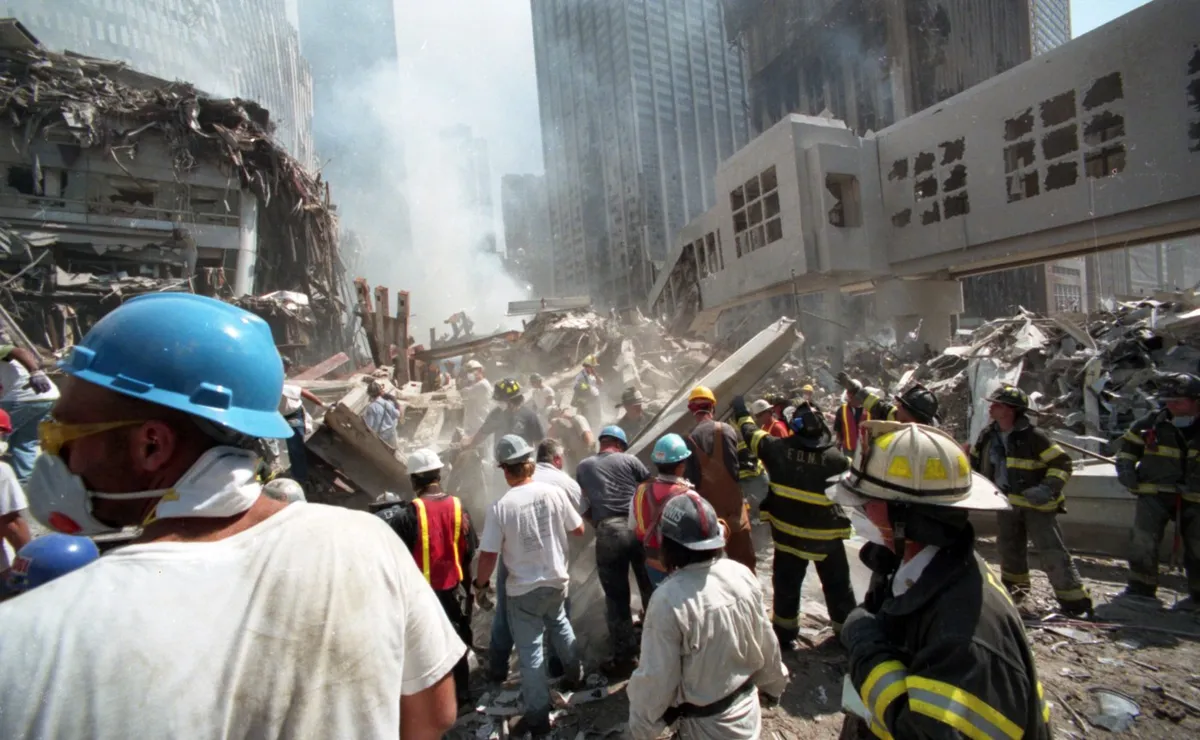
Staff members of the federal World Trade Center Health Program, already operating with more than a 25% personnel reduction, face reassignments to Immigration and Customs Enforcement (ICE) and the Indian Health Service. Advocates for 9/11 responders and survivors demand a congressional hearing with U.S. Department of Health and Human Services Secretary Robert F. Kennedy Jr. to address mounting delays and cutbacks.
Staff Reassignments Exacerbate Shortages
At least two staffers, including the program’s deputy director, have received temporary reassignments to ICE and the Indian Health Service. These shifts worsen the existing staff shortage, budgeted for 120 positions but currently holding only 84, resulting in 36 vacancies.
Rep. Nick LaLota (R-LI) highlighted these issues in a March 6 letter to Secretary Kennedy, co-signed by eight Republican lawmakers from New York and New Jersey. The letter requests a congressional briefing on how operational challenges limit care access for responders and survivors.
“These reassignments further exacerbate the program staff shortage and harmful wait times for patients,” LaLota stated. Responders and survivors with 9/11-related cancers and other life-threatening conditions report waiting months for appointments and approvals, leading to devastating medical consequences.
Ongoing Challenges for Patients and Providers
Medical providers partnering with the program experience delayed or denied reimbursements. Some 9/11 survivors face enrollment denials, with appeals pending for over a year. The program has yet to provide updates on petitions to expand covered conditions, including autoimmune disorders, cardiac issues, and cognitive impairments increasingly affecting survivors.
Program Background and Growth
Established in 2011 under the James Zadroga 9/11 Health and Compensation Act, the World Trade Center Health Program initially ran for five years but extends through 2090 as more illnesses emerge. It currently enrolls about 140,000 survivors, with projections for 10,000 additional cases this year.
Under Secretary Kennedy’s leadership at HHS and the Centers for Disease Control and Prevention, the program underwent significant staff cuts and the dismissal of former head Dr. John Howard—a decision later reversed following bipartisan congressional pressure. Kennedy restored two research grants and 16 positions, later admitting the firings were “a mistake” during congressional testimony.
LaLota emphasized, “The men and women served by the WTC Health Program ran toward danger on September 11th and its aftermath.” As the 25th anniversary approaches this September, the letter calls for dialogue on resolving challenges and sustaining support.
Advocates Urge Accountability
Benjamin Chevat, executive director of Citizens for the Extension of the James Zadroga Act, supports the congressional inquiry. “Members of Congress are on the right track, wanting to know from Secretary Kennedy about the staffing shortages, treatment delays, appeals backlogs, and provider reimbursement problems—and asking him to explain how he will resolve these issues,” Chevat said.
“In the year and a month Secretary Kennedy has been running HHS, he has fired, rehired, fired, and rehired WTC program staff, and now there are fewer staff running the program than when he started. As we approach the 25th Anniversary of 9/11, Secretary Kennedy needs to answer for his administration of the program,” Chevat added.
