

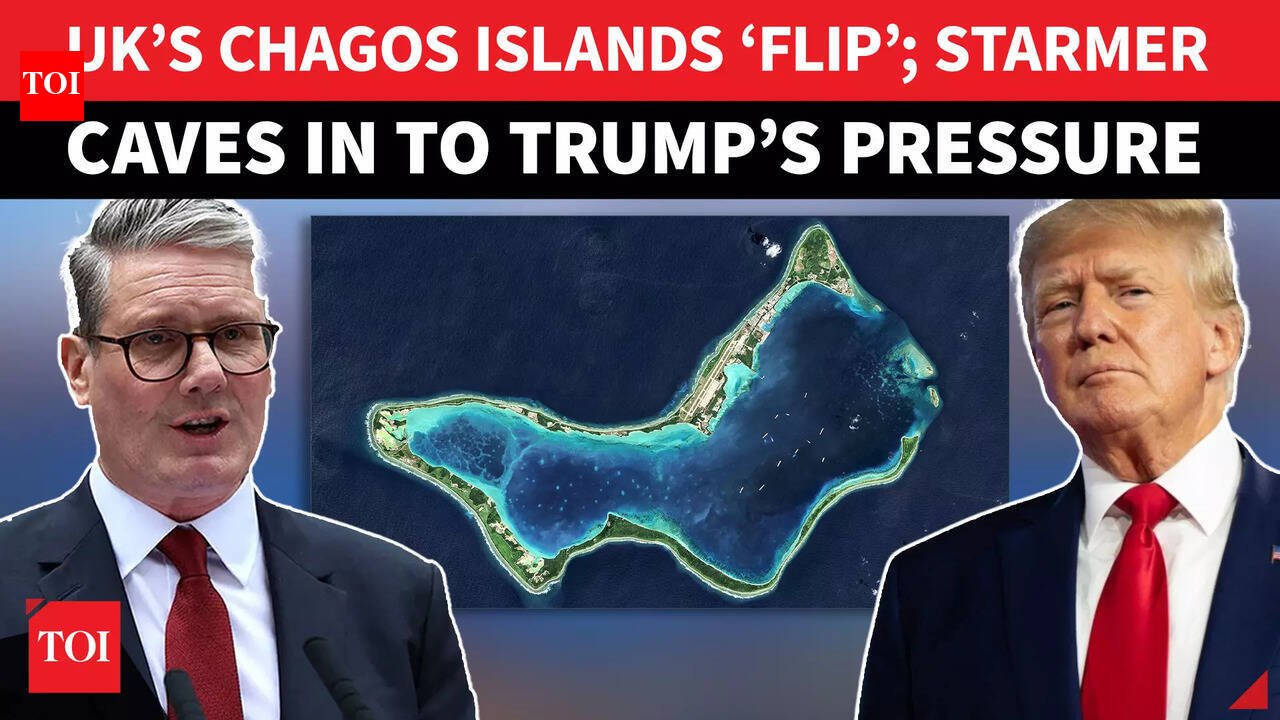
A landmark agreement to transfer sovereignty of the Chagos Islands from Britain to Mauritius has entered a critical phase, as international security concerns take center stage in the negotiations.
Prime Minister Keir Starmer confirmed on Thursday that Britain will proceed with the transfer while maintaining control of the strategic Diego Garcia military base through a 99-year lease agreement. The deal includes annual payments of £101 million ($135 million), totaling £3.4 billion ($4.5 billion) over the term.
Security Implications Draw International Attention
The agreement has sparked significant debate over its strategic implications, particularly regarding the Diego Garcia military installation, which serves as a crucial US-UK defense facility in the Indian Ocean region.
‘Diego Garcia represents one of the most significant contributions to our security relationship with the United States,’ Starmer stated during Thursday’s announcement. He emphasized that the base’s strategic importance necessitated careful consideration of security protections in the agreement.
Legal Challenges and Implementation Hurdles
The transfer briefly faced a setback when two Chagossian women living in Britain challenged the deal on human rights grounds, leading to a temporary High Court injunction. However, the judge subsequently lifted the order, allowing the agreement to proceed.
Diplomatic Negotiations Continue
Mauritius’s Prime Minister Navin Ramgoolam, who took office in November 2024, has called for additional discussions about the agreement’s terms. Speaking in Creole during a televised broadcast, Ramgoolam described the deal as completing ‘the total process of decolonization.’
Future Security Measures
British officials have emphasized the importance of incorporating strong protections against ‘malign influence’ in the final agreement, particularly concerning the operation of the Diego Garcia base. These measures aim to ensure the facility’s continued strategic effectiveness well into the next century.
The deal represents a significant shift in Britain’s overseas territorial holdings, effectively closing its last colonial outpost in Africa while attempting to balance historical obligations with modern security requirements.
