

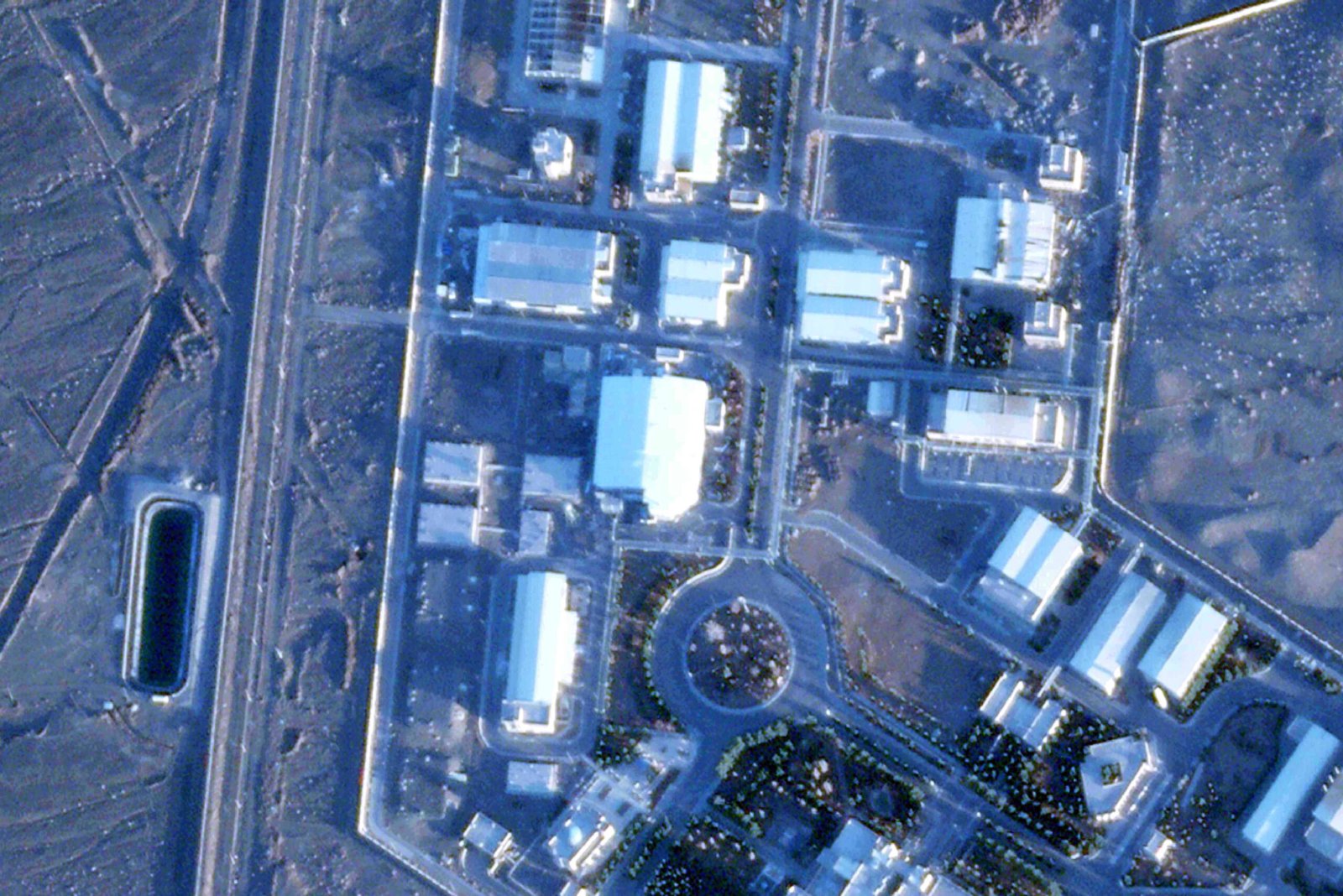
Satellite imagery reveals renewed activity at two major Iranian nuclear facilities, Natanz and Isfahan, following months of dormancy after the June conflict with Israel. Construction crews have installed protective roofs over damaged structures at both sites in recent weeks, limiting the International Atomic Energy Agency’s (IAEA) oversight capabilities.
Efforts to Assess Surviving Nuclear Assets
Experts analyzing the satellite photos suggest these measures aim to conceal Iran’s evaluation of remaining nuclear resources rather than restore operations. The coverings allow Tehran to inventory potential survivors of the strikes without detection by Israel or the United States.
“They want to be able to get at any recovered assets they can get to without Israel or the United States seeing what survived,” stated Andrea Stricker, an expert on Iran at the Foundation for Defense of Democracies. She noted that officials are likely checking for intact materials, including limited quantities of highly enriched uranium, amid the destruction from the attacks.
Since the U.S. and Israeli strikes, Iran has barred IAEA inspectors from accessing its nuclear installations, leaving satellite surveillance as the primary monitoring tool.
Damage from June Strikes
The Natanz facility, located 135 miles south of Tehran, served as Iran’s primary uranium enrichment hub. An Israeli airstrike on June 13 rendered it “functionally destroyed,” severely impairing enrichment processes, according to IAEA assessments. Subsequent U.S. strikes using bunker-busting munitions further devastated the site.
Construction of the roof at Natanz began in December and wrapped up by month’s end. Similar work at Isfahan followed, completing in early January. These steps coincide with accelerated excavation for a new underground nuclear complex near Natanz, buried deep enough to potentially withstand U.S. aerial assaults. Piles of excavated soil visible in images indicate ongoing progress.
U.S. Demands and Regional Tensions
President Trump has called for Iran to enter negotiations on its nuclear program to prevent further U.S. military intervention, particularly in light of the regime’s response to domestic protests. The United States has warned of potential action should talks fail, bolstering its presence with at least eight warships in the Middle East to heighten regional pressure.
