

Regulatory Reforms to Ease Compliance Burdens
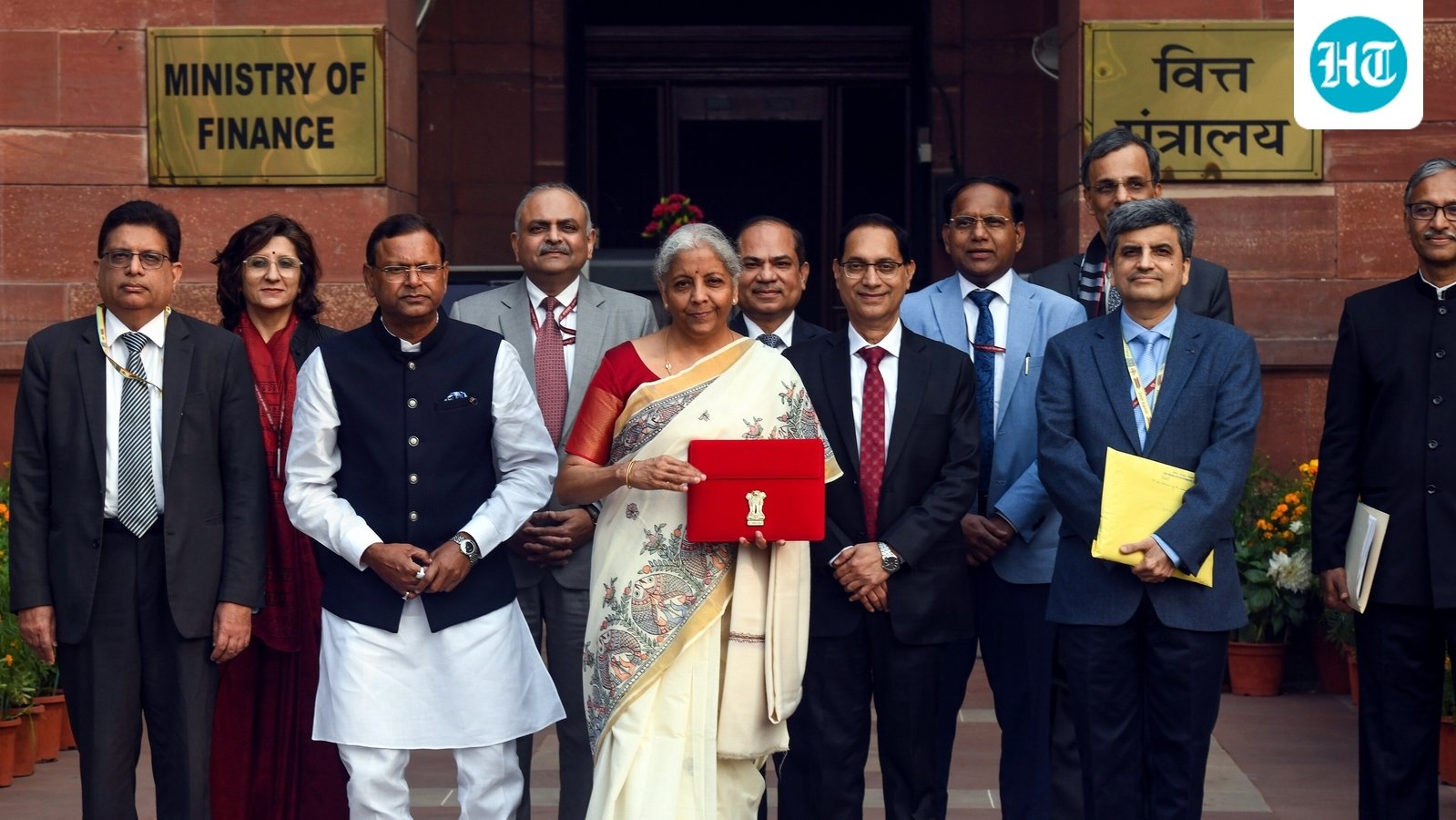
Finance Minister Nirmala Sitharaman will present the Union Budget 2026 on Sunday, aiming to speed up regulatory changes that reduce administrative hurdles for individuals, companies, and professionals. These efforts support the Viksit Bharat 2047 vision of a developed India, aligning with recent policy pushes for continuous reforms.
Key measures include exemptions from required audits and corporate social responsibility (CSR) obligations for small and medium enterprises (SMEs). This allows these businesses to prioritize their primary activities. CSR requirements typically apply only when net profits surpass ₹5 crore for most micro, small, and medium enterprises (MSMEs).
Reforms remain an ongoing priority, with potential highlights in the budget. Officials emphasize that policy updates occur year-round, independent of the annual fiscal plan.
Boosting MSME Competitiveness Through Trade Adjustments
The government plans to relax quality control orders and lower customs duties on essential inputs to enhance MSME performance. Adjustments to input duties on chemicals, electronic components, electric vehicles, and capital goods will further support the Make in India initiative by promoting domestic production.
Customs duties on gold and silver are not expected to increase, despite rising imports, to prevent smuggling incentives. Gold imports jumped 199% year-on-year to $14.72 billion in October 2025, then declined 12% to $4.13 billion in December. From April to December 2025, cumulative gold imports grew 1.83% to $49.39 billion, while silver imports surged 128.95% to $7.77 billion.
The budget will recalibrate the customs duty framework to foster manufacturing expansion. At a recent leadership summit on December 6, Finance Minister Sitharaman highlighted the need for customs reforms, including rate reductions on specific items, greater transparency, and minimized official discretion.
A new amnesty program for customs duties may launch, building on successful schemes like Sabka Vishwas for excise and service taxes, and Vivad se Vishwas for income tax disputes. This addresses ongoing conflicts over classification, valuation, and origin rules between authorities and businesses.
Tax Stability and Social Security Enhancements
No significant changes to direct or indirect tax rates are anticipated, following recent major overhauls. Investors prioritize stable policies and a reliable tax environment, achieved in recent years. Corporate taxes stay competitive, and middle-class relief continues with income up to ₹12 lakh exempt—extending to ₹12.75 lakh for salaried individuals.
GST rates underwent rationalization in October 2025, reducing costs for essentials, automobiles, medicines, and more, benefiting consumers.
Social security expansion is another focus. With full foreign direct investment now permitted in insurance, initiatives will broaden coverage. Budget allocations will sustain programs like Pradhan Mantri Jeevan Jyoti Bima Yojana, Pradhan Mantri Suraksha Bima Yojana, and Ayushman Bharat.
Macroeconomic Strengths and Innovation Push
The budget will underscore strong economic indicators and social progress, such as lifting over 270 million people out of poverty in the past decade.
Efforts to elevate the startup ecosystem include a revised definition to encourage and finance innovations in deeptech and artificial intelligence, shifting from service aggregation to pioneering advancements.
States will gain incentives—financial and otherwise—to advance digital governance and power sector reforms.
Leveraging Trade Agreements for Manufacturing Growth
The budget prioritizes bolstering manufacturing to capitalize on eight recently signed free trade agreements (FTAs). Prime Minister Narendra Modi recently called on producers to emphasize quality to maximize duty-free access to Europe, hailing the proposed India-EU agreement as a landmark deal.
Overall, the fiscal plan aligns with Viksit Bharat and Atmanirbhar Bharat objectives, targeting strategic areas like defense, energy security, semiconductors, rare earth minerals, and digital sovereignty.
