

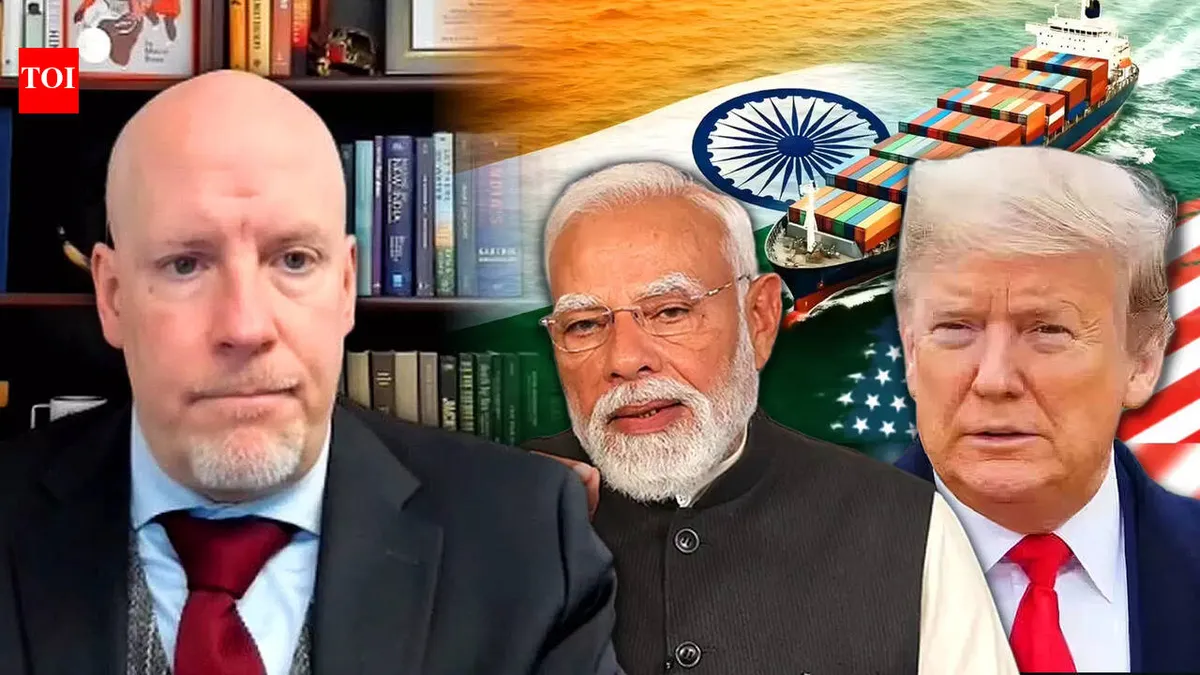
Bilateral Agreement Reflects Compromise on Both Sides
The recently concluded trade agreement between India and the United States demonstrates significant concessions from both nations, according to trade analysts. Reports indicate Washington secured improved access to Indian markets through reductions in non-tariff barriers, while New Delhi obtained the removal of most American tariffs on its exports.
Purchasing Commitments and Energy Policies Examined
Sources familiar with the negotiations confirm a tentative understanding exists for India to purchase approximately $500 billion worth of American products. However, the specific composition of these purchases and their implementation timeline remain unspecified at this stage.
Historical data suggests India has modified energy import strategies when facing international pressure, particularly regarding Russian oil procurement patterns. Senior trade analyst Richard Rossow observed that New Delhi demonstrates flexibility in adjusting import sources when presented with firm diplomatic positions from trading partners.
Strategic Importance of Trade Relationship
The United States maintains its position as India’s primary export destination, with bilateral trade reaching record levels. This agreement mirrors similar trade frameworks India has established with other global partners, suggesting a standardized approach to international commerce.
Economic experts contend the balanced nature of these concessions made the agreement politically viable for both administrations. The pact’s structure reportedly addresses key concerns from both nations while preserving flexibility for future negotiations on unresolved trade matters.
