

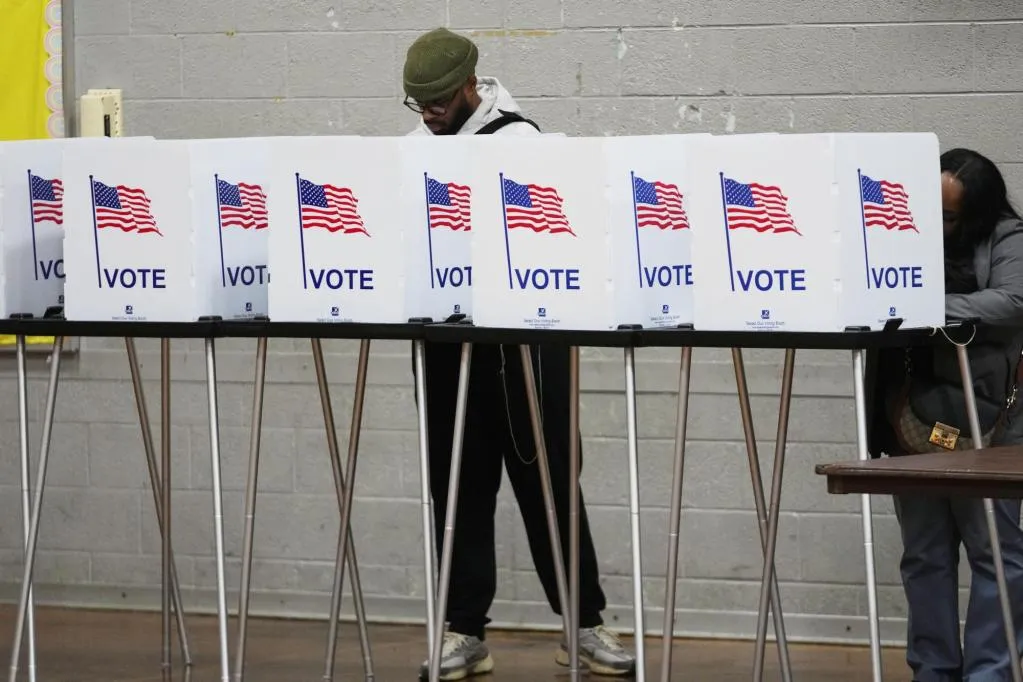
Traditional conservative principles prioritize small government close to the people. The U.S. Constitution establishes a careful balance between federal authority and state-level decision-making, a framework that continues to shape governance today.
Constitutional Division of Election Responsibilities
Article 1 of the Constitution clearly assigns states the responsibility for determining the times, places, and manner of holding elections for Senators and Representatives. Congress has historically supported voter access through statutes and amendments, including the 14th, 15th, 19th, 24th, and 26th Amendments. These efforts focus on policy rather than direct administration.
No federal agency currently administers elections nationwide, and experts argue this decentralized approach benefits democracy.
The Scale of Decentralized Election Management
The U.S. features 50 states, more than 3,100 counties or equivalents, nearly 20,000 cities, towns, and villages, plus school boards and special districts. A single federal agency managing voter registrations for millions, distributing ballots, operating polling sites, and tabulating results would face immense challenges.
Conservative analysts warn that such centralization contradicts core values of limited government. Even targeted federal interventions raise concerns about political motivations, lack of existing infrastructure, and enormous implementation costs.
Historical Push for Federal Involvement
During the pandemic, the For the People Act of 2021 proposed extensive federal voting provisions. Former President Trump opposed it, stating, “you’d never have a Republican elected in this country again.” The Heritage Foundation, a conservative think tank, criticized the bill as a liberal priority to shift control from state officials to federal mandates on voting methods, timing, and absentee ballot handling.
Recent Calls for Nationalization
Former President Trump has recently advocated nationalizing elections through social media posts and interviews. His administration has sought voter data from states with Democratic leadership, conducted reviews in Fulton County, Georgia, and highlighted alleged widespread voter fraud requiring federal intervention.
In a ruling blocking certain election-related executive orders, U.S. District Judge Colleen Kollar-Kotelly noted, “The Framers of our Constitution recognized that power over election rules could be abused, either to destroy the national government or to disempower the people from acting as a check on their elected representative.”
Implications for Future Elections
Recent election outcomes suggest voters are holding leaders accountable. Allegations of a voter fraud crisis intensify ahead of the 2026 midterms, potentially leading to federal actions targeting specific states or counties, or challenges to certified results.
Congress must assert its role to prevent excessive federal interference in state elections, preserving the constitutional balance.
