

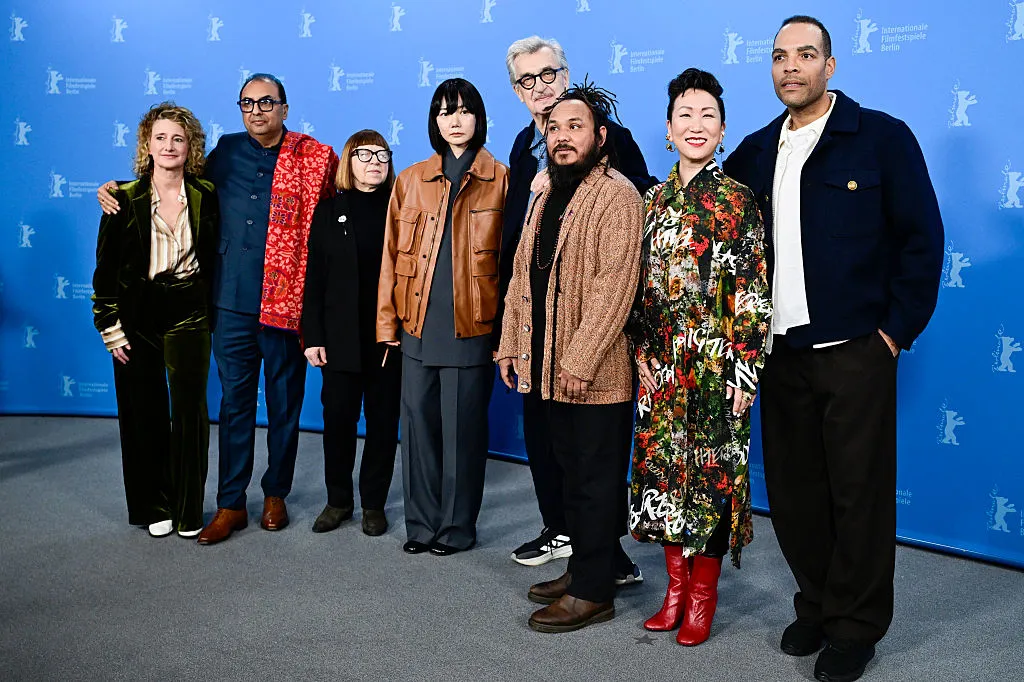
The Berlin Film Festival has released a detailed statement defending its filmmakers, particularly the jury and jury president Wim Wenders, amid a media storm during the event’s opening days.
Response to Criticism
The statement addresses backlash following Wenders’ comments at the opening press conference. When asked about the Israel-Gaza conflict, Wenders emphasized that filmmakers “have to stay out of politics… We are the counterweight of politics, the opposite of politics, we have to do the work of people — not the work of politicians.” These remarks surprised some observers and prompted author Arundhati Roy to cancel her festival visit.
Festival director Tricia Tuttle contributed a personal reflection titled “On Speaking, Cinema and Politics,” highlighting the frequent political questions posed to actors and filmmakers about issues in the U.S., Middle East, and Germany.
Key Points from Festival Officials
A festival spokesperson noted that within the first 48 hours, a media storm had emerged. “Some of what is currently circulating takes remarks from press conferences detached not only out of context of the full conversations but also from the lifetime of work and values these artists represent,” the spokesperson stated.
The spokesperson added, “We have published a reflection from our Festival Director on what we see as our responsibility: to create a space in which diverse perspectives can be heard and respected – both in the films themselves and by the people who make them, including those working with strong political impulses.”
Tricia Tuttle’s Reflection
Tuttle stressed artistic freedom: “Artists are free to exercise their right of free speech in whatever way they choose.” She argued that “artists should not be expected to comment on all broader debates about a festival’s previous or current practices over which they have no control. Nor should they be expected to speak on every political issue raised to them unless they want to.”
She described the challenges filmmakers face: They are criticized for not answering questions, for their answers, or for failing to provide concise soundbites. Tuttle pointed out the festival’s 278 films, covering themes like genocide, sexual violence, corruption, colonialism, and abusive state power. Many filmmakers have endured violence, exile, or threats for their work.
The director underscored the Berlinale’s role: “What links so many of these filmmakers at the Berlinale is a deep respect for human dignity.” She affirmed that no one at the festival ignores global crises in Gaza, the West Bank, Congo, Sudan, Iran, Ukraine, and elsewhere.
Most guests have avoided direct political responses at press conferences, sparking further debate online and in media circles. Tuttle concluded that the festival persists to champion cinema’s power to foster change, one perspective at a time, thanking the team, guests, and filmmakers for their resilience.
