

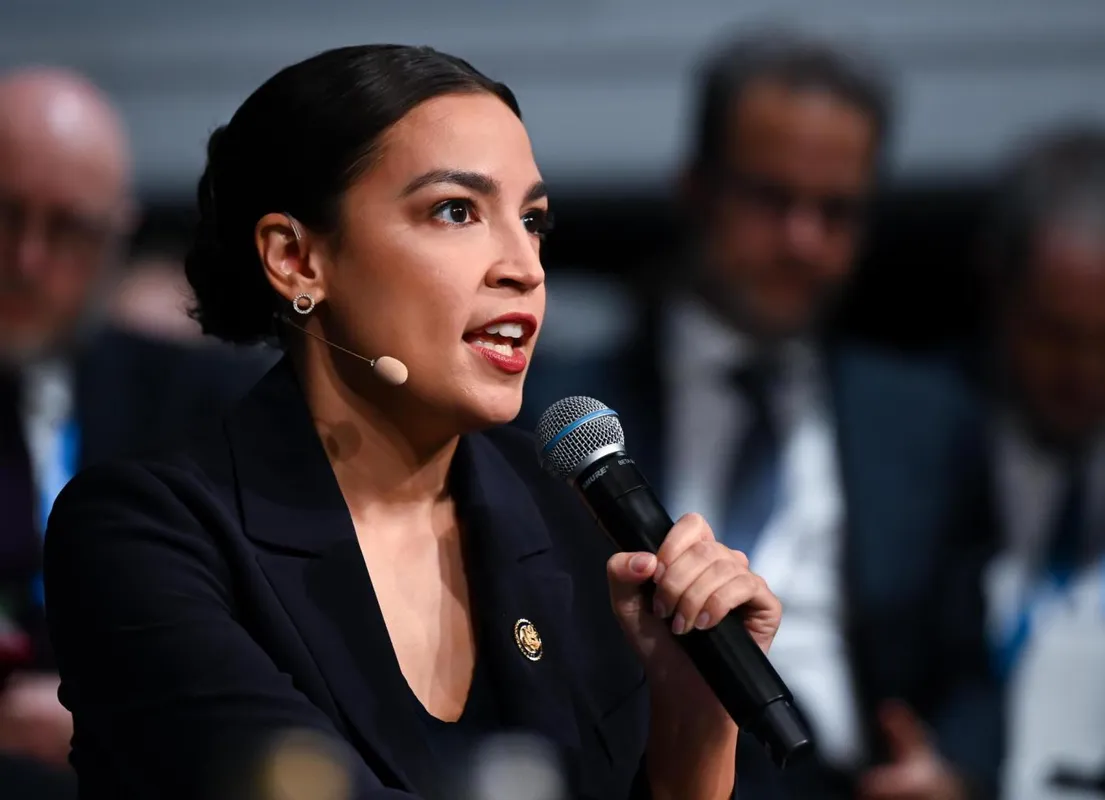
In Munich at the Security Conference, Rep. Alexandria Ocasio-Cortez, D-N.Y., presents a working-class perspective on global challenges. The progressive leader connects rising income inequality to the growth of authoritarianism, urging stronger ties with Western allies to counter far-right populism.
Economic Inequality Fuels Social Instability
Ocasio-Cortez argues that everyday people turn from democracy when elites ignore their needs. “Extreme levels of income inequality lead to social instability,” she states. She emphasizes the need to deliver material gains for the working class to prevent a world dominated by authoritarians who fail ordinary citizens.
Her appearance highlights her growing role in Democratic opposition efforts. Speculation swirls about her potential presidential ambitions, with attendees viewing her participation as preparation for broader international engagement.
Foreign Policy Tests Reveal Challenges
During panels, Ocasio-Cortez faces questions on global crises, exposing her limited experience in foreign affairs. When asked about U.S. troops defending Taiwan against a Chinese invasion, she pauses before responding. “This is a longstanding U.S. policy,” she notes, advocating prevention through diplomacy.
She also references the Trans-Pacific Partnership before correcting to trans-Atlantic relations on social media. On other issues, she responds more decisively: opposing military strikes on Iranian nuclear sites by prioritizing avoidance, and criticizing unconditional U.S. aid to Israel for enabling Gaza’s crisis.
Democratic Leaders Reassure Allies
Numerous Democrats attend, signaling commitment to Europe amid concerns over U.S. shifts like NATO withdrawals, Venezuela operations, Greenland considerations, and tariff threats. California Gov. Gavin Newsom pledges his state as a reliable climate partner. Sen. Chris Murphy, D-Conn., condemns efforts to alienate European allies.
Other potential 2028 contenders include Sens. Ruben Gallego and Mark Kelly of Arizona, Michigan Gov. Gretchen Whitmer, and former Commerce Secretary Gina Raimondo.
Strong Contrasts and Panel Dynamics
Ocasio-Cortez sharply contrasts her vision with isolationist approaches. “They seek to withdraw the U.S. from the world, creating an age of authoritarians where leaders carve out personal domains,” she warns, calling for recommitment to aid agencies and investments against corporate monopolies.
Earlier panels feature Czech President Petr Pavel, European People’s Party President Manfred Weber, and Argentine legislator Daiana Fernández Molero. Ocasio-Cortez draws the crowd’s attention. German activist Düzen Tekkal praises her strength: “It’s important that voices like hers become powerful.”
In a later session with Whitmer, they debate U.N. Ambassador Matthew Whitaker. Ocasio-Cortez critiques cuts to science and renewables, noting China’s investments in wind and solar. Whitmer focuses on Michigan manufacturing, acknowledging others’ foreign policy depth.
Reactions and Future Implications
German strategist Julius van de Laar observes Ocasio-Cortez tested on unfamiliar terrain, likening the event to an Iowa caucus or foreign policy seminar. Fernández Molero, despite differences—like supporting Venezuela leadership changes—appreciates shared goals and poses for a selfie: “She’s AOC!”
Her stumbles may not hinder long-term prospects, given practice on international stages and enduring appeal outweigh potential slips.
