

Supreme Leader Hibatullah Akhundzada has signed a new penal code into law in Afghanistan, permitting husbands to physically discipline wives and children provided no bones break or open wounds occur.
Key Provisions on Abuse
The code prosecutes cases involving visible fractures or injuries, but conviction requires the woman to demonstrate the abuse in court by revealing wounds while fully covered. A guilty husband faces a maximum sentence of 15 days in prison.
The legislation offers no safeguards for children against physical, mental, or sexual abuse.
Additionally, women who visit their father’s home or another family member’s residence without spousal permission and fail to return face up to three months imprisonment.
Human Rights Concerns
Rawadari, a human rights organization, states that these provisions contradict principles of equality, gender non-discrimination, violence prohibition against women, and human dignity. They heighten risks of intensifying and institutionalizing violence against women.
Background on Taliban Restrictions
Since regaining control in 2021, the Taliban has imposed severe limits on human rights, particularly targeting women. In 2024, authorities enacted vice and virtue legislation banning women from reading or singing aloud in public spaces.
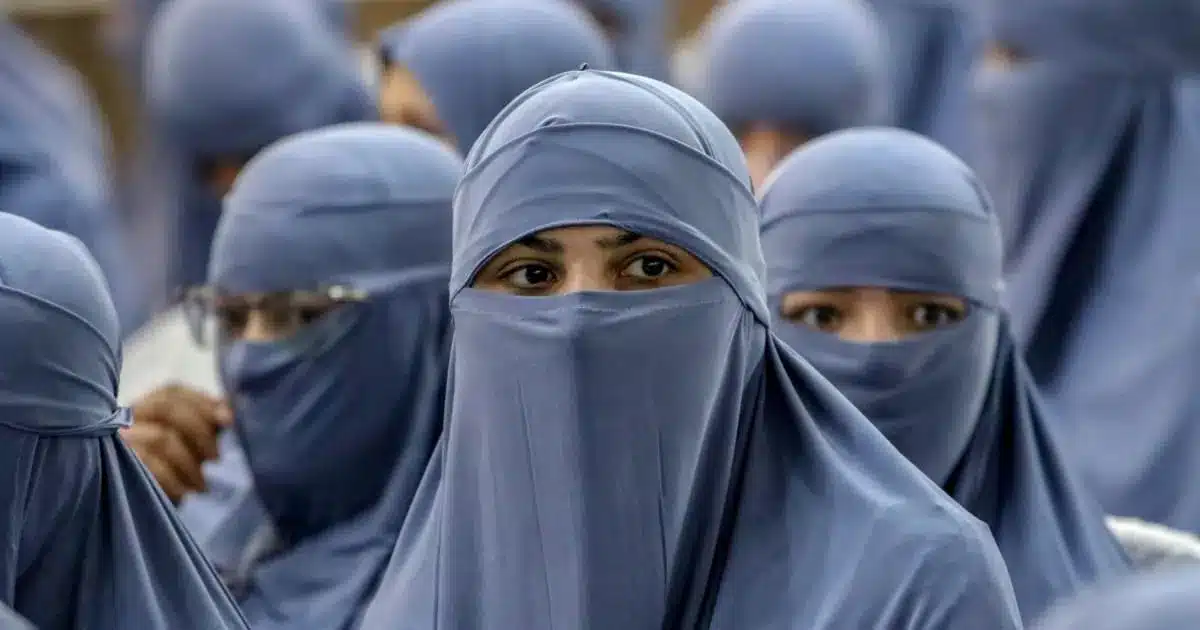
These rules govern daily life, including transport, music, grooming, and festivities. Article 13 mandates full body veiling for women in public, with face coverings required to prevent temptation. Garments must not be thin, tight, or short.
Women cannot sing, recite poetry, or read aloud publicly, as the female voice is deemed intimate. Mutual gaze between unrelated men and women is prohibited, and women must cover fully in the presence of non-Muslim men or women to avoid corruption.
