

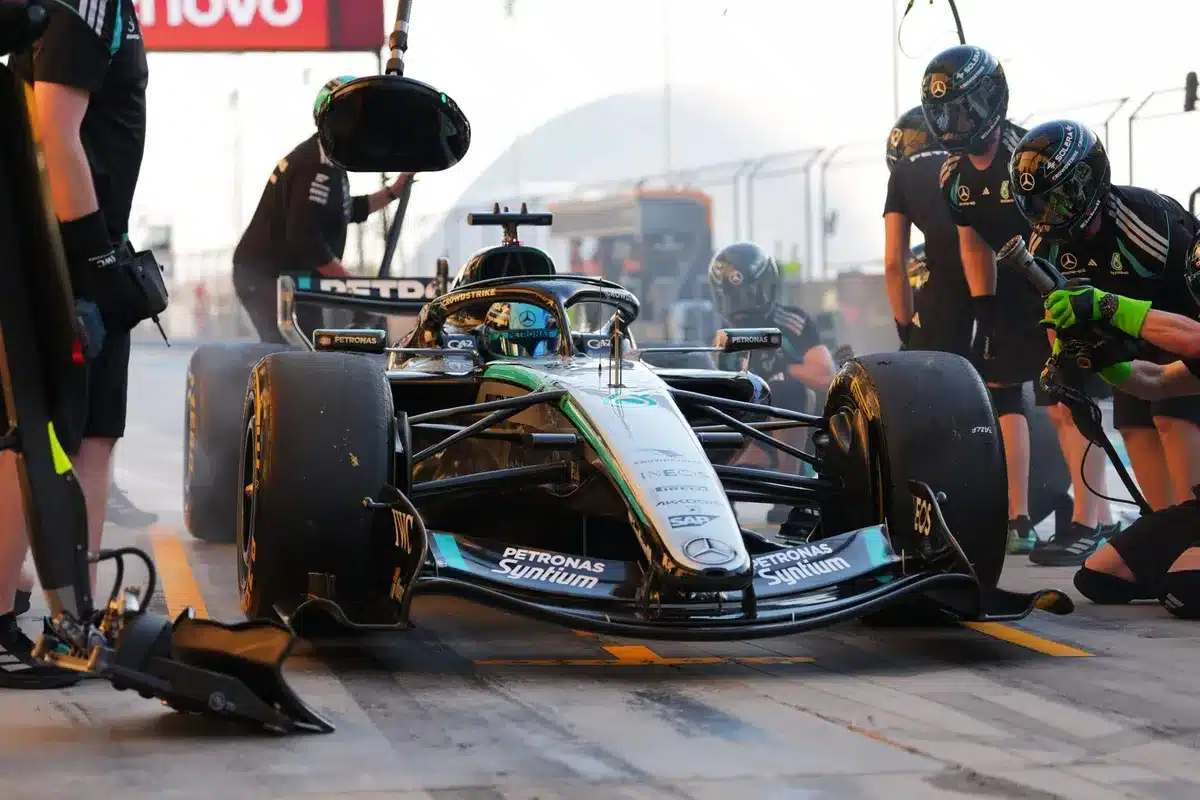
SAKHIR, Bahrain — Formula 1 captivates fans through its intense sensory experience, from the roaring engines to blistering speeds. Recent preseason testing at the Bahrain International Circuit addressed concerns about the 2026 cars’ performance amid major regulation changes, including new designs and engines.
Debate Sparks Over New Regulations
Four-time world champion Max Verstappen labeled the cars “anti-racing” and “like Formula E on steroids,” fueling discussions among fans and paddock teams. Stefano Domenicali, Formula 1 president and CEO, urged calm during his preseason media briefing. He affirmed that the sport rewards top drivers and delivers exciting racing.
“I want to reassure fans that it’s an incredible spectacle,” Domenicali stated. “I was just out on the track to see outside with a fan eye; I didn’t see any difference—there’s still the speed, the sound.”
Trackside Observations Highlight Improvements
Trackside views during testing reveal noticeable shifts in driving styles due to enhanced energy harvesting. Drivers downshift to first gear in slow corners to recharge batteries, adding a unique nuance. At Turn 10—a challenging left-hander with a kink, long braking zone, and off-camber surface—the lighter, smaller cars shine.
New specs include a minimum weight of 768kg (30kg lighter than 2025), length reduced to 3,400mm (down 200mm), and width to 1,900mm (down 100mm). These changes make vehicles sharper and nimbler, especially in slow-speed turns like Turn 10 and quicker ones like Turn 11.
Reduced downforce slows high-speed corners but boosts agility in entry phases. Drivers wrestle steering wheels more visibly, a change Lewis Hamilton compared to driving a rally car. Onboard and trackside footage confirms easier handling.
Performance on Straights and Exits
Lap times may dip slightly with new rules resetting development, yet cars impress on straights at full throttle. Energy harvesting causes occasional speed tail-off, or “superclipping,” but acceleration surges exiting slow corners like Turn 10, with rear wheels spinning for grip—echoing hybrid prototypes at Le Mans.
Engine Notes and Start Procedures
V6 hybrid engines produce pleasing sounds with distinct manufacturer tones: Audi units roar loudly before fluttering in low gears; Mercedes powertrains sound throaty; Ferrari engines offer a higher, quieter pitch; Haas Ferrari cars whisper during lift-and-coast.
Starts evolve as electrical power activates above 50 km/h, requiring turbo spool-up. The FIA tested extended procedures successfully. Practice starts at pit lane show prolonged rev holds before launches, marking a fresh dynamic.
Fans Can Expect Unchanged Excitement
Energy management will challenge the Australian opener, but close encounters affirm F1’s essence. Speeds thrill, sounds captivate, and visuals evoke pure racing. As one observer noted: “They still look like Formula 1 cars.”
