

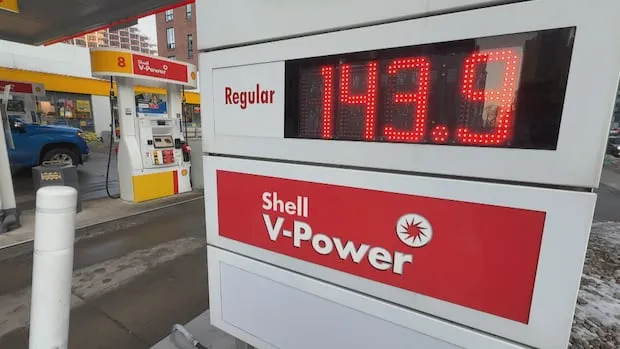
Gas prices across the Greater Toronto Area climbed six cents on Wednesday, rising from 137.9 cents per litre to 143.9 cents per litre. Data from the Canadians for Affordable Energy website confirms the increase, while the Canadian Automobile Association reports the national average advanced four cents to 138.1 cents per litre.
Analysts predict further jumps in the coming days, driven by escalating U.S.-Israel-Iran conflict disrupting global oil markets.
Oil Market Volatility from Conflict
Oil prices spiked about seven percent worldwide immediately after the conflict intensified, notes Warren Mabee, director of the Institute for Energy and Environmental Policy at Queen’s University. He forecasts ongoing rises if tensions persist, with gas prices potentially climbing five to 10 percent in the near term.
Toronto resident Malik Campbell voiced frustration over the hike. “That’s ridiculous. That’s too much,” he said. “But it’s something you have to prepare for, especially if you have to use premium. It’s unfortunate.”
Strait of Hormuz Shipping Disruptions
Markets react sharply to risks in the Strait of Hormuz, one of the world’s busiest oil shipping routes. Roughly one-fifth of global oil flows through the strait, so even short delays trigger price surges, Mabee explains.
Over the weekend, projectiles and drones struck several oil tankers in the strait, with origins unclear. By Sunday, over 150 commercial vessels anchored in the Persian Gulf to evade risks, halting about 15 million barrels per day of crude, states Jorge Leon, senior vice president and head of geopolitical analysis at Rystad Energy.
Patrick De Haan, head of petroleum analysis at GasBuddy, warns of heightened volatility and premiums due to geopolitical uncertainties. Price impacts vary regionally in Canada based on local supply levels.
Canada’s Strategic Opportunity
Despite challenges, Canada benefits from its strong oil position. Mabee highlights potential to boost market share. “We can actually move a bit more oil through it than we’re currently doing,” he said. “We really could step in and start providing some of that supply which will help our allies and help countries around the world.”
