

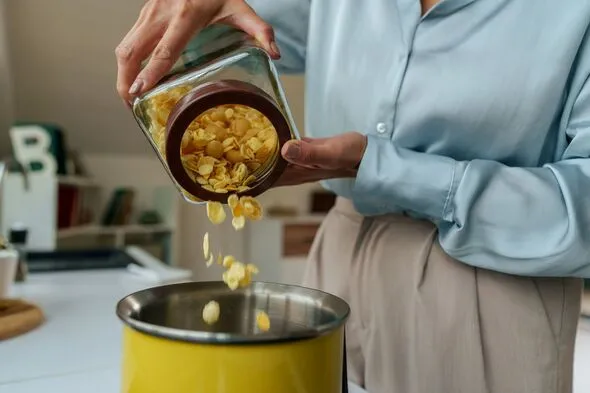
Shoppers often grab the nearest or cheapest pasta pack in stores, but selecting the right type elevates any meal. Executive chef George Dyer, who manages catering at Lapland Famille, highlights one frequent error: assuming fresh pasta always outperforms dried varieties.
Dried Pasta Outshines Fresh for Hearty Dishes
Dried pasta proves superior for robust sauces. George Dyer states: “Dried pasta is often the better choice—especially with a ragù, a tomato sauce, nduja, anything with real body to it. It can take the heat, it holds the sauce, it doesn’t fall apart on you.”
Fresh pasta demands lighter pairings to shine. The chef advises: “Fresh is wonderful, but it’s delicate. It suits lighter, silkier dishes—brown butter and sage, a simple cream sauce. It’s more of a treat. You wouldn’t throw it into a Sunday ragù.”
Top Supermarket Pasta Recommendation
For reliable results from store shelves in the UK, George Dyer chooses De Cecco every time. He explains: “If I’m grabbing pasta off a shelf in the UK, it’s De Cecco—full stop. It holds its bite, it doesn’t turn to mush, and it behaves properly when you’re finishing it in the sauce.”
This spaghetti option costs around £2 for a 400g pack. Its quality stems from traditional methods. George Dyer notes: “They’ve stuck with slow drying and proper durum wheat for a long time, and you can taste the difference. There’s a slightly wheaty, nutty flavour that a lot of cheaper dried pastas just don’t have.”
Making Pasta at Home for Superior Taste
George Dyer rarely purchases pasta, opting to prepare it fresh. He shares: “When I want it to taste like something special, I just make it myself. It’s not as intimidating as people think, and the difference is immediately obvious the moment you taste it.”
