

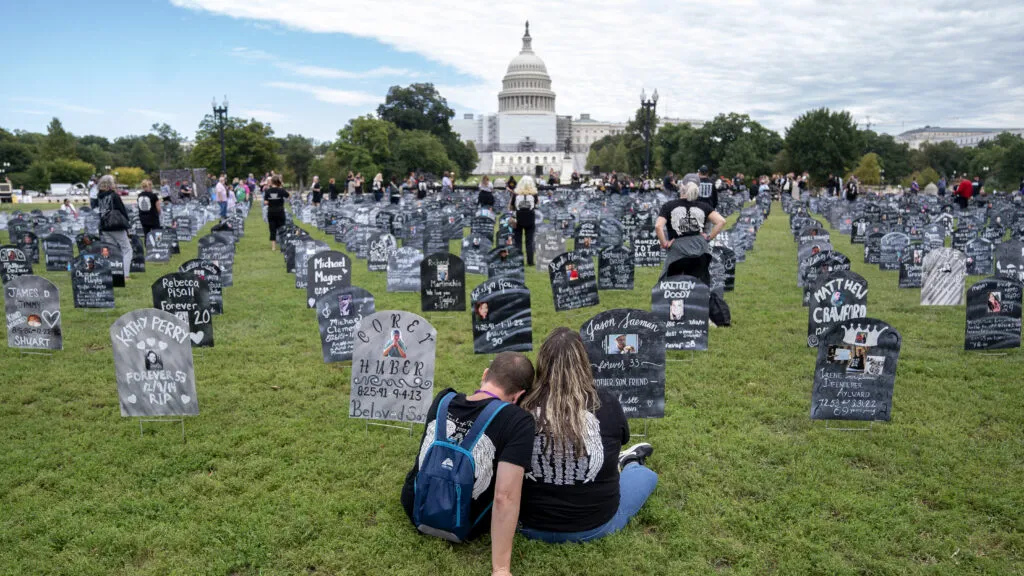
In May 2025, the Centers for Disease Control and Prevention reported a 27% decline in drug overdose deaths, dropping from approximately 110,000 in 2023 to around 80,000 in 2024. Provisional data through late 2025 indicates a further reduction to about 72,000. As an addiction researcher at Stanford University and someone in long-term recovery, this progress brings personal relief, and experts across the field express similar optimism after two decades of rising numbers.
Unprecedented Progress, Yet Cause for Concern
Policymakers hail the downturn as unprecedented progress, while the CDC highlights that it equates to saving more than 81 lives daily. These gains are substantial and meaningful. However, they also warrant caution. The current toll of 72,000 deaths surpasses the total U.S. combat fatalities from the Vietnam War, occurring annually.
In 2015, when overdose deaths first exceeded 50,000, it sparked a national crisis response. A decade on, that figure now serves as an aspirational goal, signaling a troubling shift in societal expectations. The crisis persists; society risks growing accustomed to it.
The ‘Stable Floor’ Phenomenon
This pattern, termed the ‘stable floor,’ occurs when high death rates transition from emergency to accepted norm. Historical data from alcohol-impaired driving crashes illustrates this. In 1982, when federal tracking began, about 21,000 Americans died in such incidents, driven by low drinking ages, cultural acceptance of drunk driving, and limited vehicle safety tech.
Public outrage led to swift action: Mothers Against Drunk Driving rallied support, Congress raised the drinking age to 21, states implemented 0.08% blood alcohol limits, and sobriety checkpoints became routine. Deaths fell nearly 50% by the mid-1990s. Progress then plateaued at 10,000 to 13,000 annual fatalities for three decades, as deeper reforms like expanded transit, higher alcohol taxes, or universal ignition interlocks faced political resistance despite evidence of effectiveness.
These deaths no longer provoke widespread vigils; they blend into everyday risks of a car-dependent society.
Early Signs in the Overdose Crisis
A similar trajectory looms for overdoses. In 2017, with deaths nearing 70,000, the president declared a public health emergency. By 2021, surpassing 100,000 triggered hearings and funding surges. Now, returning to that 70,000 range prompts relief rather than alarm, with success measured against peak years instead of zero-tolerance ideals.
Warning signals include decelerating declines: after 2024’s 27% drop, 2025 provisional data shows about 19% year-over-year reduction, with some states reporting rises. Alarmingly, key infrastructure faces cuts. Last year, the White House withheld $140 million in CDC grants for local tracking and prevention, alongside staffing reductions at the agency’s injury center. Proposed 2026 budgets threaten deeper reductions to the CDC and Substance Abuse and Mental Health Services Administration.
Defunding proven programs—naloxone distribution, medications for opioid use disorder, fentanyl test strips, and surveillance—just as they yield results underscores emerging normalization.
Avoiding Complacency
Critics may deem stagnation fears premature amid falling numbers, but normalization starts when gains justify reduced investment and avoidance of tough reforms. The drunk driving effort faltered by redefining success downward to 10,000 deaths yearly.
Current tools drive declines but require ongoing funding and defense. The decline offers a choice: complacency or commitment. The core issue transcends comparing 72,000 to 110,000 deaths—both unacceptably high. Society must decide if 72,000, or even 52,000, proves tolerable, lest incremental acceptance locks in a persistent toll, mirroring decades of drunk driving fatalities.
Wayne Kepner, Ph.D., M.P.H., is a postdoctoral fellow in the Department of Psychiatry and Behavioral Sciences at Stanford University School of Medicine. His research focuses on addiction health services and policy.
