

Thai energy authorities prepare to obtain loans from commercial banks to bolster the Oil Fuel Fund, which faces rapid depletion amid global crude oil prices exceeding $100 per barrel due to escalating US-Iran tensions.
Fund Reserves Dwindle Under Subsidy Pressure
The fund, aimed at protecting consumers from fluctuating fuel costs, currently disburses around 700 million baht daily to support domestic oil prices, especially diesel. Reserves now stand at just over 2 billion baht, sparking sustainability concerns.
Wattanapong Kurovat, director-general of the Energy Policy and Planning Office, states that officials stand ready to secure financing akin to actions during the 2022-2023 energy crisis from Russia’s invasion of Ukraine. “The loan amount will depend on discussions among the Oil Fuel Fund Office, treasury, and excise tax officials,” he explains.
Authorities expect to finalize the borrowing plan before the current subsidy program concludes on March 17.
Subsidy Levels and Daily Consumption
Diesel receives subsidies of 11.73 baht per litre, while gasohol 95, 91, and E20 benefit from 3.06, 3.06, and 4.03 baht per litre, respectively.
Thailand consumes 153-155 million litres of oil daily, including 63-65 million litres of diesel, 31-33 million litres of gasoline and gasohol, and 17 million litres of jet fuel.
Potential Measures and Worst-Case Scenarios
Should the fund accrue heavy debt, officials consider excise tax reductions to curb retail price hikes, according to an energy official speaking anonymously.
In extreme cases—such as sustained high global prices, low reserves, and shipping delays—rationing may occur, prioritizing hospitals, police, and military. Thailand last enacted rationing during the 1973 and 1979 oil crises.
The government maintains reserves covering 95 days of consumption, achieved partly through diversified purchases beyond the Middle East. Sarawut Kaewtathip, director-general of the Department of Energy Business, confirms that shipments to Thailand proceed without disruption.
Conservation Efforts and Supply Monitoring
The cabinet plans to review an energy conservation strategy on March 10, potentially incorporating voluntary or mandatory steps like work-from-home initiatives. Officials warn that increased residential air conditioning could pressure natural gas supplies, which power 60% of Thailand’s electricity.
Domestic sources provide 60% of this gas, Myanmar supplies 15%, and 25% arrives as imported liquefied natural gas (LNG). Global LNG prices climb alongside oil, with the Japan/Korea Marker Platts Future for April 2026 delivery at $15.71 per million British thermal units, up 1.39%.
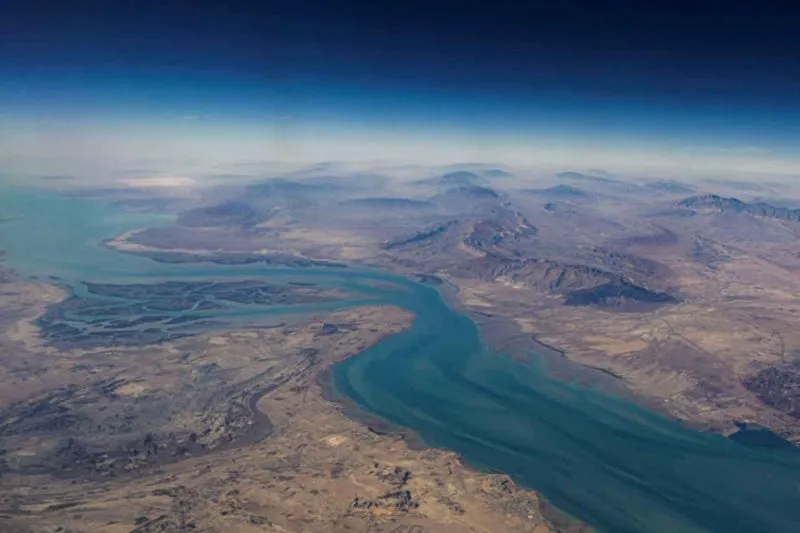
Narin Phoawanich, governor of the Electricity Generating Authority of Thailand (Egat), reveals that Egat operates a 24-hour monitoring center for LNG imports, especially from Qatar through the Strait of Hormuz. Backup options include coal-fired plants in Lampang, domestic hydropower, and boosted purchases from Laos.
Through subsidies, emergency loans, conservation, and diversified sources, the government aims to safeguard households, businesses, national security, and fuel stability amid the global energy crisis.
