

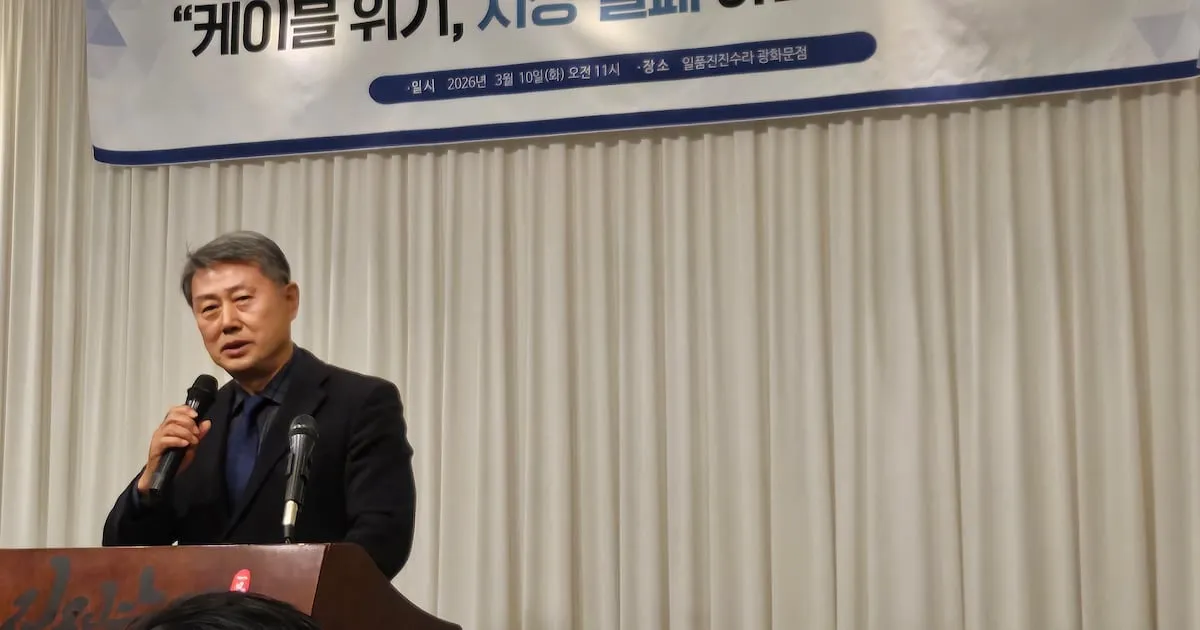
South Korea’s cable TV content distribution operators, known as SO providers, confront a severe structural downturn rather than issues tied to individual firms. This policy vacuum demands immediate government intervention through a dedicated task force, according to Hwang Hee-man, chairman of the Korea Cable TV Broadcasters Association.
Urgent Call for Government Action
During a meeting on October 10 at the Cheongjin Building in Seoul’s Jungro-gu, Hwang emphasized that the government and industry leaders must establish a ‘Cable TV Market Situation Policy Task Force’ within three months. This group would develop a roadmap for market recovery and propose concrete measures.
The discussion highlighted key challenges, including the dominance of platforms like YouTube, shifts in content distribution structures driven by home shopping and major content firms, and aggregated data control by these conglomerates.
Industry Participants and Discussions
Executives, policy experts, and analysts from major cable SO operators attended. They explored comprehensive strategies covering home shopping infrastructure, explosive growth roadmaps, real estate channel operations, and business matchmaking events.
SO providers stress that their policy neglect stems from heightened competition with online video-on-demand services (OTT). Home shopping operations rely primarily on business revenue, while SO firms base sales on distribution. Content giants have seen revenues exceed 2021 non-content figures after dominating production, sidelining SO operators despite government efforts to boost content businesses.
Grim Revenue Projections
Current growth plans target 1.5% of broadcasters’ total sales. However, projections indicate KBS Cable TV SO revenue share could hit 0% by 2024, with key performance indicators falling short amid ongoing structural pressures.
While rival broadcasters expand jointly, cable SO operators shoulder full responsibility alone. They manage side ventures like real estate channels for public benefits, yet legal hurdles limit real estate sales authority and precise scale, turning them into subsidy-dependent structures.
Participants warned against joining policy task forces without government-led commitments to broad growth roadmaps, real estate business matching, and channel operations.
Chairman’s Key Statements
Hwang noted, “Cable TV serves 12 million households nationwide as a public platform.” He added, “If this industry vanishes, it impacts real estate information, land prices, and residents’ tension relief.”
He highlighted, “Platform launches favor small content giants as sommeliers, with YouTube content fees exploding—issues the government must deeply recognize and address.”
Further, “Without government-proposed policy changes, the industry risks self-destruction.” Hwang urged, “What matters now is not expansion, but realistic policy outcomes.”
