

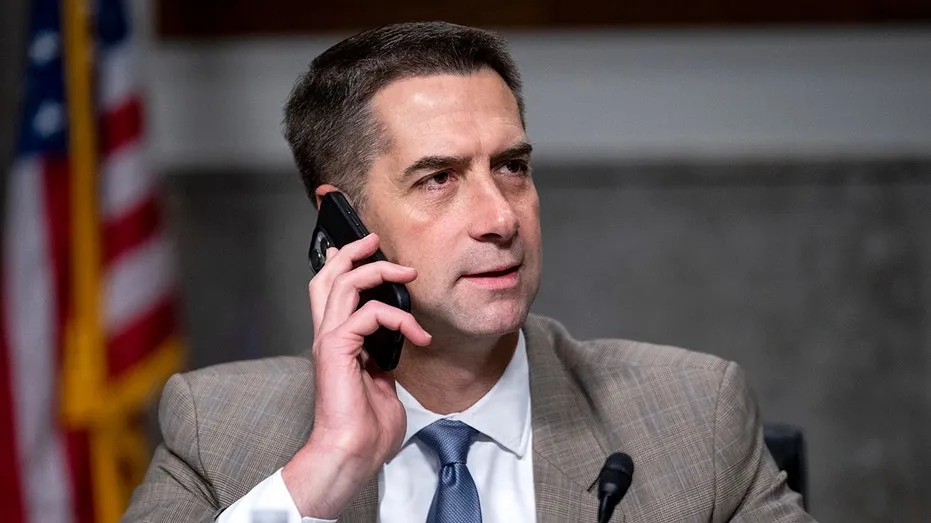
Sen. Tom Cotton, R-Ark., is seeking detailed explanations from Energy Secretary Chris Wright on the significant drawdown of the Strategic Petroleum Reserve (SPR) during the previous administration, raising concerns over national security amid escalating tensions with Iran.
Cotton Questions SPR Depletion Decisions
In a letter to Secretary Wright, Cotton highlights the release of 180 million barrels from the SPR in 2022, which he describes as a move to lower gas prices before midterm elections. “That decision drained the reserve to a 40-year low,” Cotton stated. He argues the action was a political maneuver rather than a response to a supply crisis, stemming from broader energy policy shortcomings.
Background on Reserve Drawdowns
The previous administration accessed the SPR twice: first in 2021 amid high fuel prices during COVID-19 recovery, and again in 2022 following Russia’s invasion of Ukraine. The SPR holds capacity for more than 700 million barrels of crude oil, but levels stood at approximately 415 million barrels by the end of that term, according to Department of Energy data.
Cotton points to prior Democratic opposition, noting that Senate Majority Leader Chuck Schumer, D-N.Y., and others blocked $3 billion for refilling the SPR in 2020 when oil prices were low, redirecting funds from a COVID-19 relief package. Additionally, an executive order in 2021 paused new oil and gas leases on federal lands and offshore, limiting domestic production during the drawdown period.
Current Demands and Geopolitical Risks
Cotton urges Wright to assess how these policies affected domestic oil supplies available for replenishing the reserve. Meanwhile, as oil prices hit four-year highs due to the intensifying Iran conflict and reduced tanker traffic through the Strait of Hormuz, congressional Democrats call for tapping the SPR again. Schumer emphasized that the reserve “exists for moments exactly like this.”
The Strait of Hormuz handles about 20% of global petroleum liquids consumption, underscoring the SPR’s role as a critical national security asset. “That is precisely why the SPR must be treated as a strategic national security asset, not a political tool,” Cotton asserted.
