

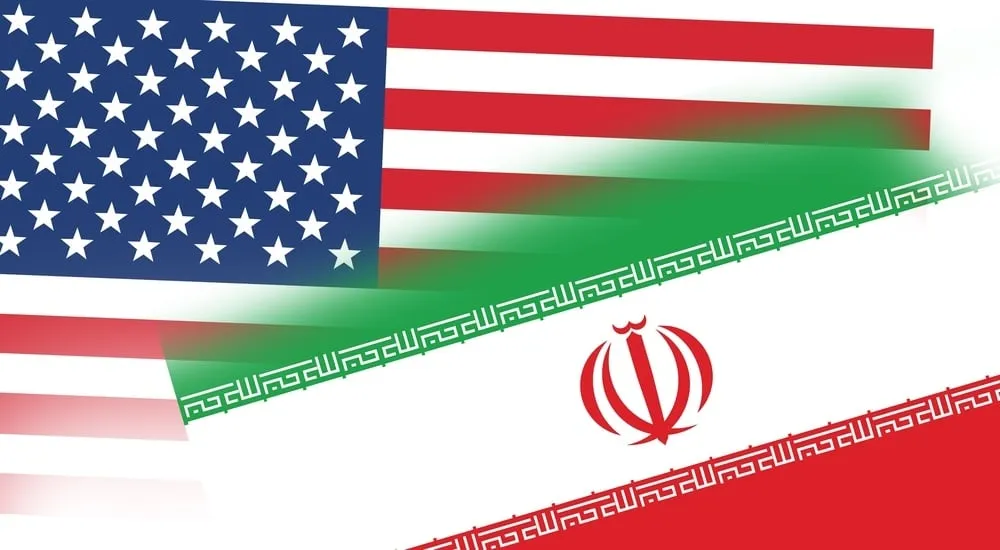
The United States stands on the brink of sealing a memorandum of understanding (MOU) with Iran to halt the current conflict and pave the way for in-depth nuclear negotiations.
Details of the Proposed MOU
Negotiators from President Donald Trump’s administration, including Steve Witkoff and Jared Kushner, are finalizing a concise 14-point, one-page document. This agreement signals an immediate ceasefire and launches a 30-day window for talks focused on reopening the Strait of Hormuz, curbing Iran’s nuclear activities, and easing U.S. sanctions.
Potential venues for these discussions include Islamabad or Geneva. The MOU outlines a phased removal of shipping curbs and the U.S. naval presence in the strait over the 30 days.
Contingencies and Nuclear Limits
Should talks collapse, U.S. forces retain the option to restore the blockade or resume operations. Sources indicate ongoing debates over a uranium enrichment freeze, potentially lasting at least 12 years. All provisions hinge on reaching a comprehensive deal, risking renewed hostilities or prolonged deadlock otherwise.
The White House has not yet issued a statement on the matter.
Context of Recent Developments
This breakthrough follows President Trump’s order to pause ‘Project Freedom,’ a military initiative to safeguard commercial vessels transiting the Strait of Hormuz amid advancing diplomatic efforts.
Secretary of State Marco Rubio emphasized during a Tuesday White House briefing that a lasting pact demands upfront clarity on concessions. “A complex deal requires clear terms on what each side is willing to negotiate and concede upfront to make talks worthwhile,” Rubio stated.
Market Reactions and Geopolitical Timing
Brent crude oil trades 7.13% lower at $102.04 per barrel, while S&P 500 futures climb 51 points to 7,338.25.
The MOU push aligns with a key China-Iran summit, held days before Trump’s Beijing visit. Analysts view this as Iran’s strategy to demonstrate global alliances and bolster its leverage against Washington.
