

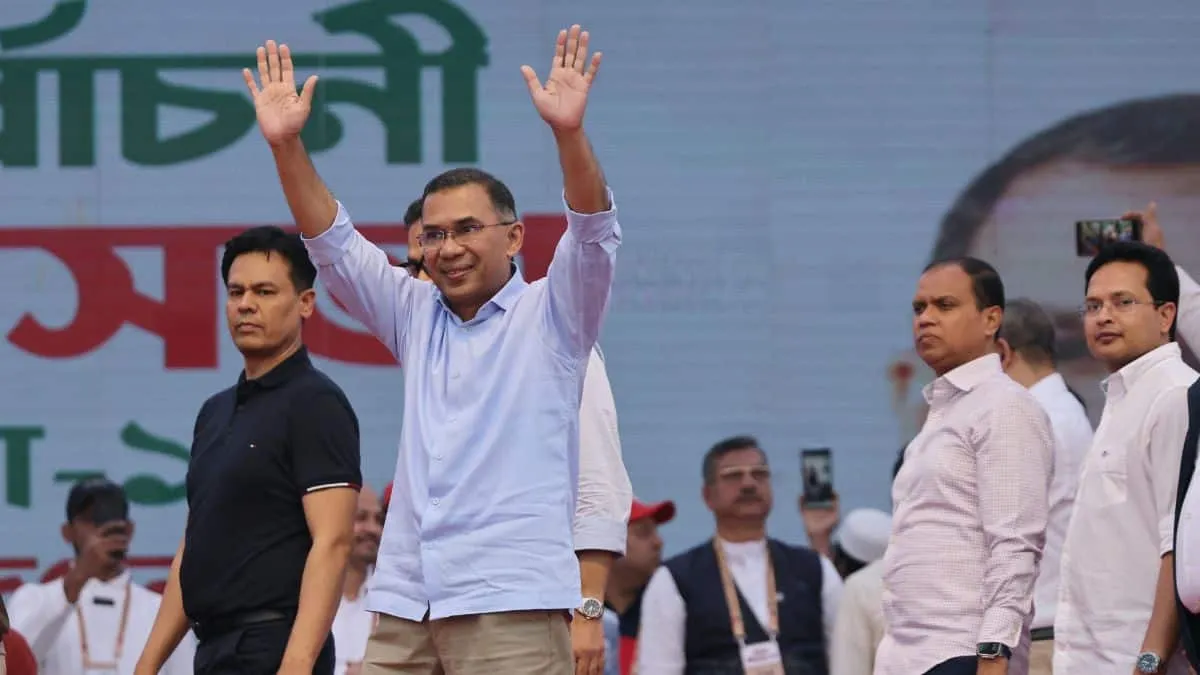
Bangladesh voters have selected the BNP-led coalition to replace Muhammad Yunus’s interim administration, with the alliance claiming 213 of 300 parliamentary seats. Jamaat-e-Islami secured 74 seats, according to the latest tallies from 299 declared constituencies. The majority threshold stands at 151 seats.
Victory Declaration and International Recognition
The BNP has proclaimed victory despite challenges from the Jamaat-led bloc questioning the election’s integrity and vote counting. Foreign leaders have extended congratulations to BNP chief Tarique Rahman. This outcome restores elected governance after 18 months of interim rule.
Generational Leadership Change
Tarique Rahman, son of former Prime Minister Khaleda Zia, positions himself as the next premier, marking a significant generational shift. For the first time in nearly two decades, Bangladesh will have a leader outside Sheikh Hasina’s tenure. Hasina held power for three full terms following the BNP-Jamaat coalition’s 2001-2006 government and a 2006-2009 interim period, before her ouster during her fourth term.
Challenges Ahead for New Government
The election ushers in a new phase, but success hinges on rebuilding social cohesion, ensuring public safety, and delivering economic reforms alongside transparent governance. Evidence suggests these priorities face hurdles.
Persistent Violence and Minority Insecurity
Since Hasina’s removal, waves of majoritarian violence have targeted minorities, particularly Hindus, including attacks on individuals, worship sites, political rivals, media outlets, and cultural centers opposing Islamist views. Extremist groups, once marginalized, have gained prominence within state structures. Muhammad Yunus’s administration has yet to curb this unrest. Observers question whether the BNP will alter this trajectory.
Shifting National Identity
Concerns mount over Bangladesh’s core identity. Deep Halder, author of Being Hindu in Bangladesh: The Untold Story and Inshallah Bangladesh: The Story of an Unfinished Revolution, highlights two competing visions: “There were always two ideas of Bangladesh. One was the idea that led to the foundation of Bangladesh in 1971. It envisioned the nation as a sociocultural entity centred around language and culture. Under this idea, people would rise above religion. The second idea was that of East Pakistan that imagined the nation strictly in religious—Islamic—terms. This second idea now appears to be getting stronger by the day.”
