

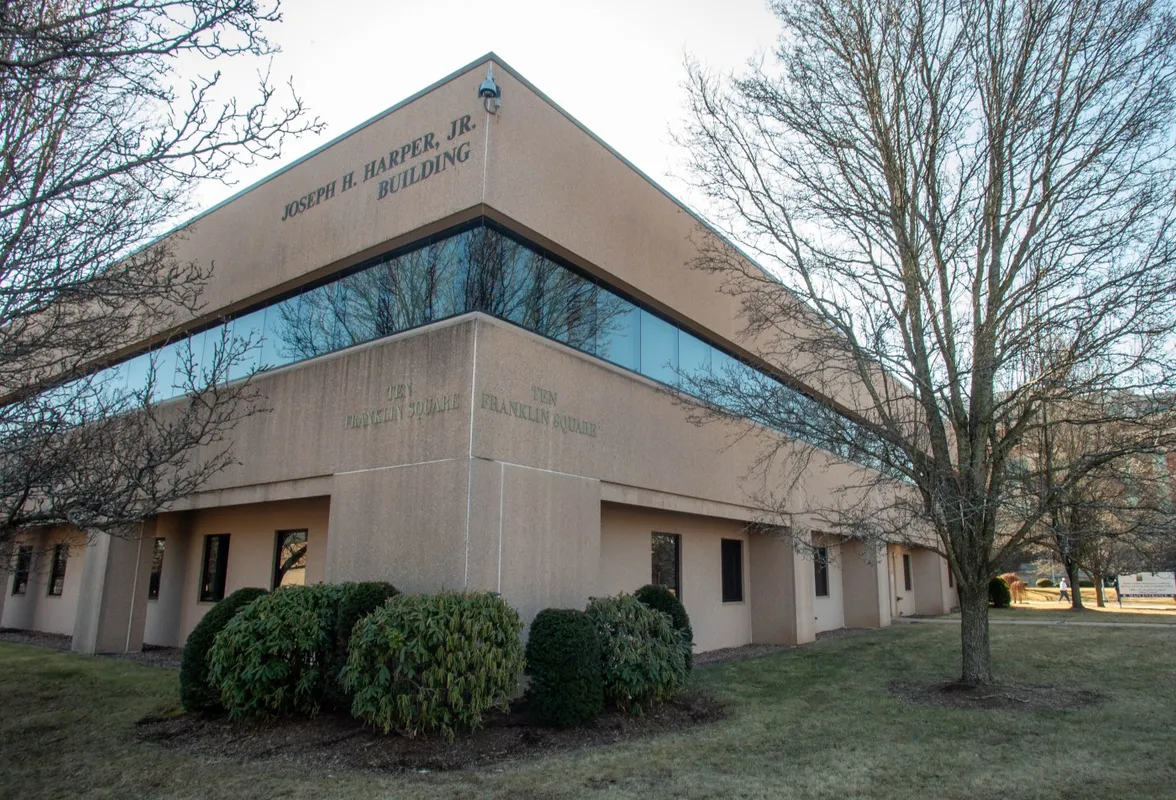
In recent Public Utilities Regulatory Authority (PURA) hearings, the room fills with attorneys in suits as commissioners enter. Attendees prepare dense filings, analyze expert testimony, and craft arguments from complex language. Yet, everyday residents remain noticeably absent from these proceedings that directly impact monthly energy bills.
The Need for Broader Participation
State initiatives aim to include more public voices in decisions on electricity, water, and energy costs. Current efforts to exclude consumer advocates and typical utility customers raise significant concerns. Participation should not require a law degree or extensive experience.
PURA’s Critical Role
PURA oversees utility regulation, determining energy types and pricing. Amid rising costs customers struggle to afford, utilities and their supporters launch aggressive moves to limit public influence. Such exclusions favor industry priorities over safe, reliable, and affordable service—often profits over households.
Utility executives receive substantial salaries funded by customer bills. Last year, companies like Eversource and United Illuminating collected hundreds of millions from rates. Meanwhile, nearly 426,000 Connecticut families face challenges paying energy bills.
Stakeholder Group Compensation Program
Two years ago, PURA introduced the Stakeholder Group Compensation Program to enable families and small businesses to engage. It provides legal and technical support, recognizing the time and resources required. The program adds about $1 annually to customer bills.
Connecticut’s working families devote nearly 20 percent of income to energy. Their perspectives prove essential to balance profit motives in a system serving the public interest. Hearings benefit from input by parents, teachers, and business owners alongside experts.
One dollar represents a modest investment for inclusive decision-making that affects everyone.
