

School districts across Connecticut face steep property tax increases and deep program cuts, prompting House Democrats to propose $100 million to $150 million in stabilization aid for local education. This plan draws from Governor Ned Lamont’s $500 million tax rebate program, potentially reducing the $200 per-person payout by up to 30% this fall.
Addressing Municipal Funding Gaps
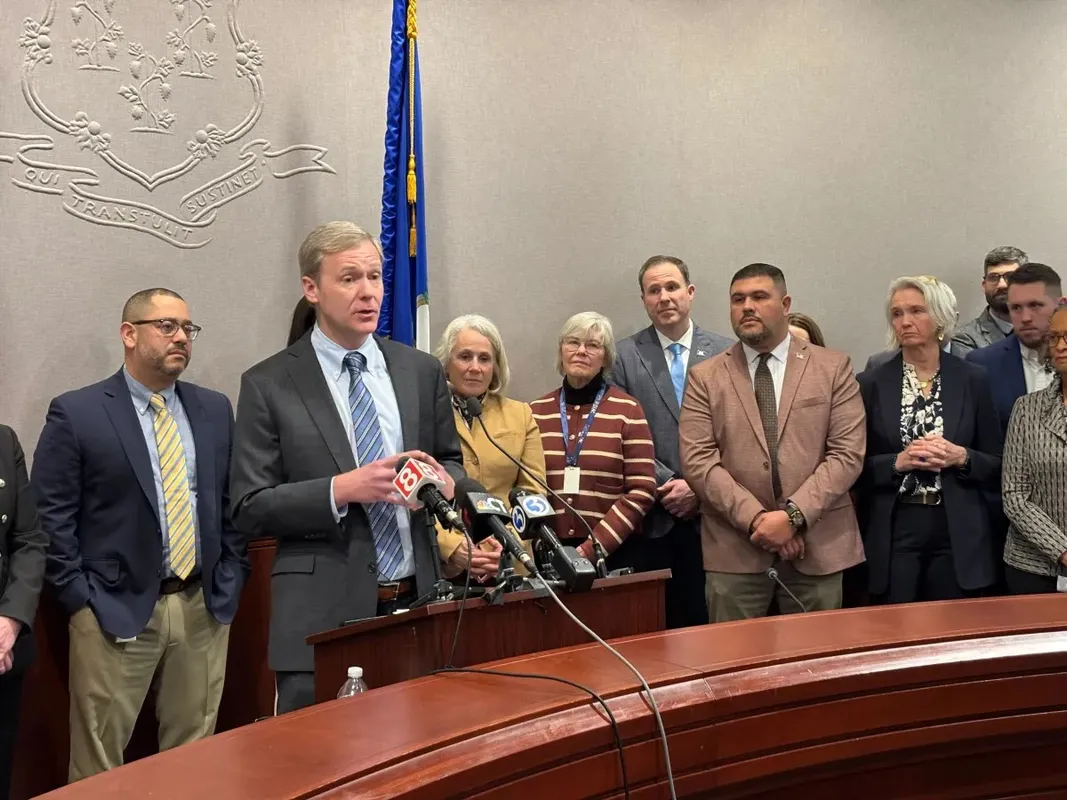
“When municipalities and school systems lack adequate support, they resort to property tax hikes to generate revenue,” House Speaker Matt Ritter, D-Hartford, stated at a press conference in the Legislative Office Building.
Connecticut nears completion of a multiyear push to strengthen its $2.5 billion Education Cost Sharing (ECS) program, the primary state grant for local schools. Education and municipal advocates argue the program lags inflation by over a decade, depriving cities and towns of hundreds of millions yearly.
Aggressive state savings measures over nearly nine years have generated surpluses, used to reduce pension debt and build reserves. Critics, including House and Senate Democrats, contend these caps divert funds from municipal aid, higher education, health care, and social services.
“We face an economic turning point nationwide, and Connecticut must adjust to meet community needs,” said Rep. Toni E. Walker, D-New Haven, co-chairwoman of the Appropriations Committee.
Lamont’s Rebate Plan and Potential Trade-offs
Governor Lamont, a fiscal moderate, resists altering budget caps but proposed in February sharing $500 million from a projected $1.9 billion surplus. Residents earning under $200,000 individually or $400,000 as couples qualify for $200 or $400 checks, respectively, targeted for late October issuance.
House Democrats argue that redirecting some unspent surplus funds to schools can prevent tax hikes while supporting rebates. “Democrats remain committed to delivering checks and meaningful relief to middle- and lower-income families,” Ritter affirmed.
Lamont’s budget spokesman, Chris Collibee, emphasized the governor’s long-standing priority on school aid since taking office seven years ago. He welcomes collaboration with legislators, local leaders, educators, parents, and students to enhance equity and ease property tax burdens.
Last week, Lamont suggested diverting $40 million from rebates for a one-month suspension of state retail taxes on gasoline and diesel. Legislative leaders have not advanced this, but the administration likely retains the rebate core while exploring adjustments like smaller payouts or eligibility tweaks.
Budget Constraints and Path Forward
The $28.6 billion preliminary budget for the fiscal year starting July 1 allows only about $70 million growth before hitting caps tied to income and inflation. “Cutting core services to aid schools would be impossible,” Ritter warned.
One option: Establish an off-budget fund for stabilization aid, similar to last year’s special education grants. Rep. Maria Horn, D-Salisbury, co-chairwoman of the Finance, Revenue and Bonding Committee, aims for sustainable funding. “People need assurance they can rely on this going forward,” she said.
Rep. Chris Rosario, D-Bridgeport, highlighted districts already slashing essentials. “Further cuts mean pure amputation,” he declared.
House Minority Leader Vincent J. Candelora, R-North Branford, expressed bipartisan support. “The property tax crisis demands action, and state education funding is central. Republicans stand ready to collaborate for affordable quality education.”
Joe DeLong, executive director of the Connecticut Conference of Municipalities, welcomes the focus but calls $150 million insufficient. “It barely addresses the issue—redirect the full $500 million to ECS,” he urged.
These grants supplement ongoing Democratic efforts to expand ECS further.
