

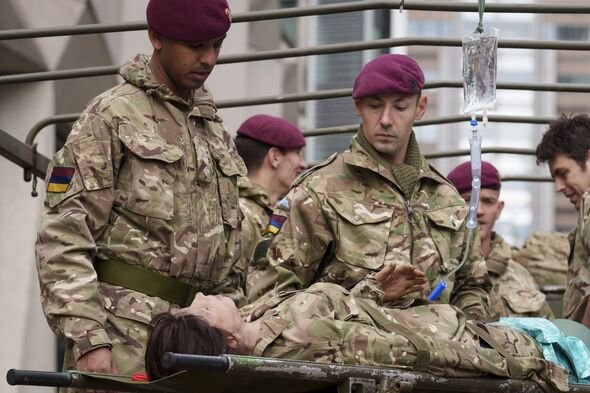
Global tensions have heightened concerns about potential large-scale conflicts, with many observers noting an increasingly unstable international landscape. Long-standing alliances face challenges, including disagreements among NATO members over U.S. President Donald Trump’s proposal to acquire Greenland earlier this year. Russia’s ongoing invasion of Ukraine approaches the duration of World War I, while China’s threats to Taiwan’s sovereignty add further uncertainty. These developments have sparked debates about military preparedness, including the possibility of conscription in the United Kingdom should circumstances deteriorate.
UK’s Stance on Conscription
Defence Secretary John Healey maintains that Britain currently has no need for mandatory military service. However, the fluid nature of global events and past policy shifts leave the option open for consideration. During a visit to Norway last year, Healey indicated potential interest in such measures to bolster national defense.
Conscription Practices Across Europe
Research highlights that 12 European countries enforce some form of mandatory military service. These systems vary to address national security needs while balancing civilian life. European Union analyses outline three primary models in operation: mandatory service, lottery-based selection, and selective compulsory service.
Mandatory service typically operates in cycles, requiring eligible citizens to complete a set period of training and duty. The lottery system employs software to randomly select participants, ensuring at least one individual from each municipality contributes. Selective service evaluates candidates based on their motivation, interest in military roles, and educational background to determine eligibility.
Any UK adoption of conscription could draw from these established frameworks, adapting them to domestic requirements. As geopolitical risks persist, these policies underscore Europe’s proactive approach to defense amid broader uncertainties.
