

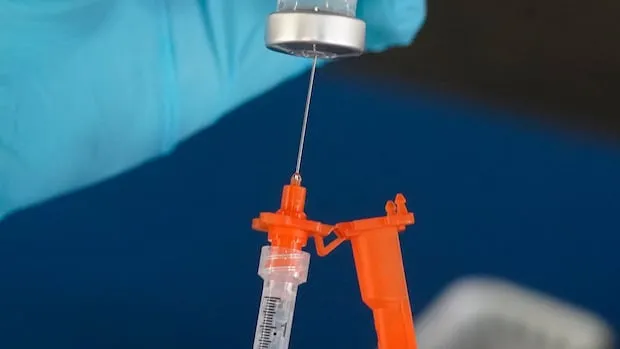
The U.S. Food and Drug Administration refuses to review Moderna’s application for a new influenza vaccine developed with mRNA technology. The company disclosed this decision following receipt of a “refusal-to-file” letter from the agency.
Reasons for FDA’s Rejection
The FDA objected to the design of Moderna’s 40,000-participant clinical trial, which compared the new vaccine to a standard flu shot. Results showed superior effectiveness in adults aged 50 and older compared to the benchmark shot. However, FDA vaccine director Dr. Vinay Prasad stated in the letter that the trial lacks an “adequate and well-controlled” comparison against the best-available standard of care in the U.S. at the time.
Prasad referenced prior FDA guidance from 2024, which Moderna did not fully adhere to. Moderna maintains that regulators approved the standard-dose flu shot as acceptable for the study, though a high-dose version was preferred for participants aged 65 and older. The company also notes that the FDA permitted the trial to proceed as planned and shared additional data from a separate trial against a licensed high-dose senior vaccine.
“The FDA did not identify any safety or efficacy concerns with our product,” Moderna CEO Stephane Bancel stated.
Broadened Regulatory Scrutiny on mRNA Vaccines
This rejection aligns with intensified FDA oversight of mRNA-based vaccines under Health and Human Services Secretary Robert F. Kennedy Jr. Recent actions include rolling back COVID-19 vaccine recommendations, adding warnings to leading mRNA COVID shots, and removing certain members from an FDA advisory panel.
Kennedy’s department previously canceled over $500 million in funding for mRNA vaccine development. The FDA has also ended streamlined approvals for annual flu shot updates, requiring more rigorous studies—a shift criticized by over a dozen former FDA commissioners.
Moderna’s Next Steps
Such refusals to file vaccine applications remain uncommon after extensive pre-submission discussions. Moderna seeks an urgent meeting with the FDA and pursues approvals in Europe, Canada, and Australia.
