

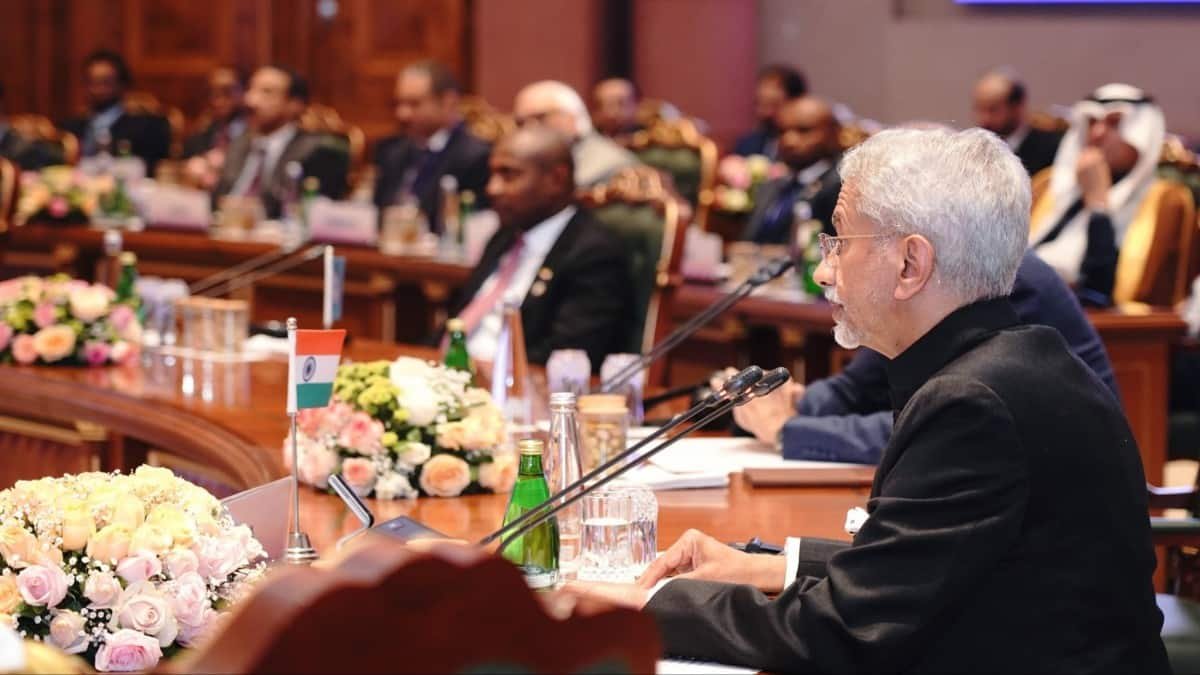
Historic Civilizational Ties Strengthen Modern Alliance
The second ministerial summit between India and Arab League nations concluded in New Delhi on January 31, 2026, marking a significant milestone in bilateral relations. Representatives from all 22 Arab states attended the meeting, co-chaired by India and the United Arab Emirates. This gathering revitalized high-level engagement after a decade-long hiatus since the inaugural session hosted by Bahrain in 2016.
Economic and Cultural Bonds
Centuries-old trade routes dating back to ancient civilizations continue to underpin contemporary economic cooperation. Bilateral trade currently exceeds $240 billion, with Arab nations investing substantially in India’s infrastructure and renewable energy sectors. The UAE alone has pledged $75 billion toward these initiatives.
Culturally, Indian films, music, and yoga maintain widespread popularity across Arab nations. Religious connections remain strong through annual Hajj and Umrah pilgrimages undertaken by India’s Muslim population – the world’s second-largest Muslim community.
Energy Security and Resource Partnerships
Arab nations supply over 60% of India’s crude oil and more than 50% of its liquefied natural gas (LNG) needs. Iraq, Saudi Arabia, the UAE, Qatar, Kuwait and Oman serve as primary energy suppliers. Recent agreements include a landmark LNG contract with Qatar extending through 2048, ensuring 7.5 million metric tons of annual supply.
Fertilizer Security Framework
Strategic partnerships extend to agricultural resources, with Oman supplying 46% of India’s urea imports through the Oman India Fertiliser Company joint venture. Saudi Arabia contributes significantly to India’s di-ammonium phosphate and potash requirements, while Morocco remains the primary source of phosphatic fertilizers. A recent five-year agreement with Saudi Arabia’s Ma’aden guarantees annual shipments of 3.1 million metric tons of DAP starting in fiscal year 2026.
Diaspora Contributions and Security Cooperation
Over 9 million Indian expatriates in Arab nations contribute substantially to India’s economy, accounting for 38-40% of the country’s $135 billion annual remittances. Their welfare remains a cornerstone of diplomatic engagement with the region.
Military partnerships have expanded significantly, with joint naval exercises conducted regularly with the UAE, Saudi Arabia, Qatar and Oman. The Indian Navy maintains continuous presence in critical Gulf waterways, utilizing Oman’s Duqm port for logistical support. Intelligence sharing on counter-terrorism and curbing terror financing has become a key component of security collaboration.
Strategic Framework for Future Cooperation
The summit produced several landmark agreements, including:
New Delhi Declaration 2030
This strategic roadmap emphasizes mutual respect for sovereignty and territorial integrity while establishing ambitious economic targets, including doubling bilateral trade to $500 billion within six years.
Security and Counter-Terrorism
Participating nations adopted a “zero tolerance” stance toward cross-border terrorism and condemned emerging threats involving drone technology and cyber warfare.
Regional Stability Initiatives
India reaffirmed support for Palestinian sovereignty based on 1967 borders and endorsed recent Gaza peace proposals. The newly established India-Arab Chamber of Commerce will facilitate economic integration through the India-Middle East-Europe Economic Corridor (Imec).
Emerging Sector Collaboration
Partnerships will expand into artificial intelligence, space exploration, digital governance, and startup ecosystems through an Executive Programme scheduled through 2028. Planned initiatives include a joint startup conclave, cultural festival, and health partnership conference.
The summit positions India as a critical partner for Arab nations navigating economic volatility, climate challenges, and regional instability. Both sides committed to transforming traditional ties into a comprehensive strategic partnership addressing contemporary global challenges.
