

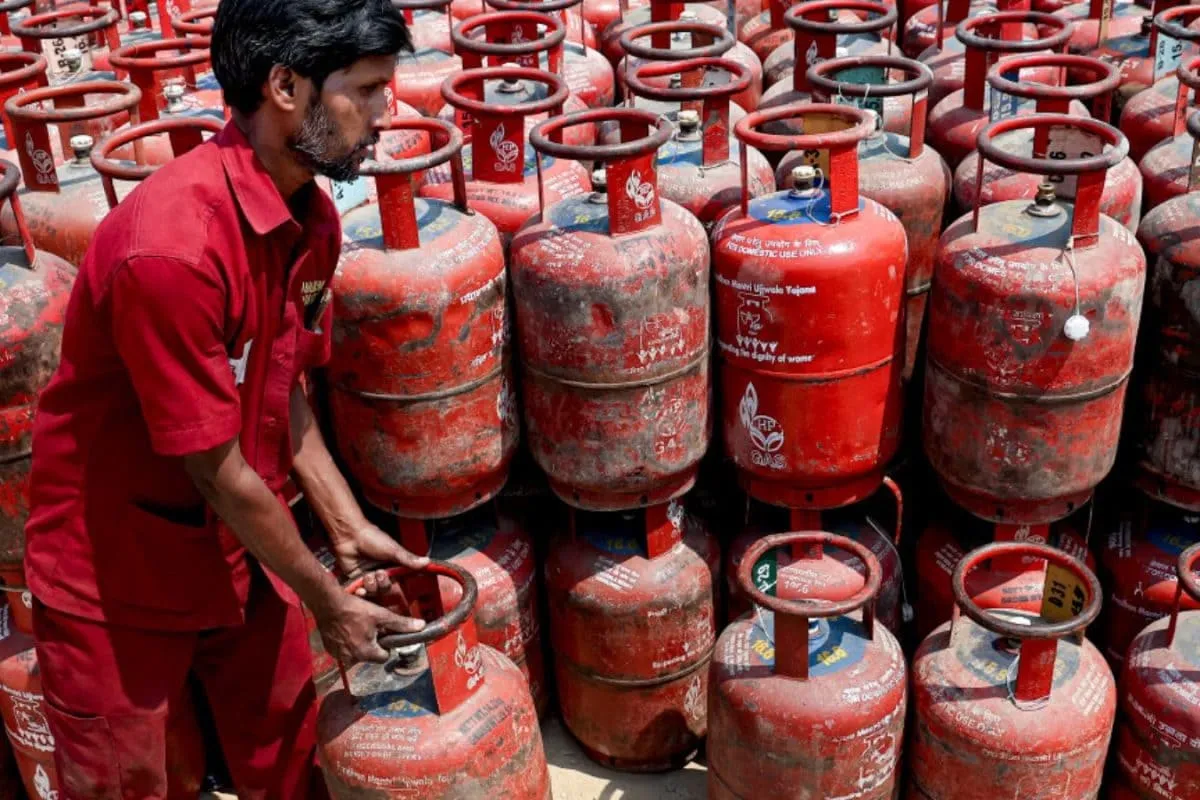
Government Drives PNG Adoption for Households and Businesses
Authorities actively encourage households and commercial establishments, including restaurants, hotels, and places of worship, to adopt Piped Natural Gas (PNG) for cooking. Despite its advantages, PNG remains a secondary option for many Indian consumers due to familiarity with Liquefied Petroleum Gas (LPG).
Global Comparison Highlights Expansion Potential
The United States maintains over three million miles of pipelines, delivering natural gas—primarily methane—to 78.3 million residential, commercial, and industrial users. This accounts for about 30 percent of total U.S. energy use, supporting heating, cooking, and industrial needs.
In contrast, India connects 14.7 million domestic households and over 45,000 commercial entities to PNG. The pipeline network has grown from 15,000 km in 2014 to more than 24,000 km in 2024, signaling significant progress yet underscoring room for further development.
Infrastructure Coverage and Regional Leaders
The Petroleum and Natural Gas Regulatory Board authorizes City Gas Distribution networks across 307 geographical areas, spanning 88 percent of India’s landmass. However, consumers in these regions often prefer subsidized LPG, while right-of-way challenges slow PNG pipeline expansion.
Gujarat leads with a higher natural gas share in its energy mix compared to the national average. Major cities such as Delhi, Mumbai, Pune, and Hyderabad boast extensive PNG networks.
Key Advantages of PNG Over LPG
PNG typically costs less than unsubsidized market-priced LPG and provides continuous 24/7 supply without refill bookings. LPG handling involves multiple logistics stages, creating noise disturbances and potential floor damage.
PNG’s lighter-than-air composition allows it to disperse quickly during leaks, enhancing safety compared to LPG. Most connections cluster in metros, with slower uptake in Tier-2 and Tier-3 cities due to infrastructure complexities, lower density, and setup costs.
Self-Sufficiency and Import Vulnerabilities
India produces about 50 percent of its natural gas needs—around 95 million standard cubic meters per day—primarily for PNG and power generation. This domestic focus contrasts with LPG, where over 60 percent relies on imports, 90 percent from the Gulf region like Qatar.
Recent Middle East tensions expose LPG supply risks via the Strait of Hormuz. Domestic LPG production has increased 30 percent to meet 52 percent of demand, but sustained reliance on imports persists, unlike the more secure PNG sector.
Transition Challenges and Alternatives
Shifting 330 million LPG connections to PNG presents a major hurdle for policymakers. Meanwhile, induction stoves gain traction as an electric option, especially amid recent LPG shortages prompting panic buying.
Subsidized electricity in states like Tamil Nadu and Delhi supports induction adoption, allowing households to manage consumption within limits. This shift offers another pathway amid evolving energy dynamics.
