

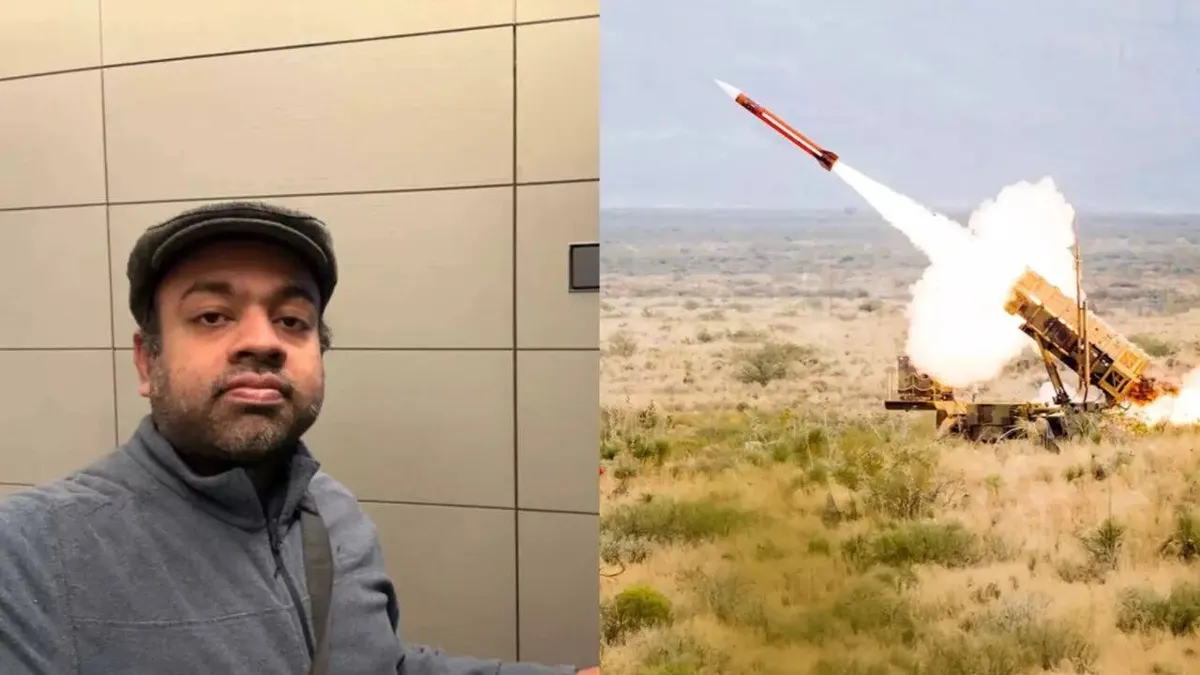
An Indian traveler’s bold decision to drive across the desert from Doha to Riyadh has captured widespread attention amid escalating Middle East tensions disrupting flights. Varun Krishnan, en route from Chennai to Barcelona, abandoned airport waits for this unconventional overland escape.
Flight Grounded by Regional Conflict
Krishnan’s trip started routinely with a connection in Doha, Qatar. However, intensifying clashes involving Iran, Israel, and the United States prompted immediate airspace closures across the Gulf. Airlines suspended operations, rerouted flights, and canceled thousands of schedules, stranding tens of thousands at hubs like Doha and Dubai—the largest aviation disruptions since the COVID-19 era.
Opting for the Desert Highway
Refusing indefinite delays, Krishnan exited Doha by road, crossed into Saudi Arabia, and headed to Riyadh’s airport to resume his journey. This grueling drive through remote desert routes offered a faster alternative when air travel halted abruptly.
Massive Disruptions Across the Region
The crisis traps thousands of tourists, expatriates, and transit passengers. Security alerts force flight cancellations or costly detours, overwhelming airports. Many turn to road trips, multi-country transits, or emergency visas as tickets vanish quickly. Some governments urge citizens to shelter in place until stability returns.
Indian Travelers Hit Hard
Indians face acute challenges, given heavy reliance on Gulf hubs for routes to Europe, North America, and Africa. Over 500 Indians stranded in Qatar prompted swift embassy action, including evacuation flights to Delhi, Mumbai, and Kochi. Krishnan’s escapade echoes others, like an American doctor who endured a 62-hour odyssey via Saudi Arabia, Ethiopia, and Italy to reach home.
Global Ripple Effects of Airspace Shutdowns
Middle East air corridors link Europe, Asia, and Africa. Closures trigger cancellations, extended flight times, soaring fuel costs, and passenger pileups, rippling worldwide.
Airlines and Governments Mobilize Aid
Carriers offer flexible changes, refunds, and special flights. Embassies provide consular support and temporary visas. Operations resume gradually, though officials caution ongoing risks from persistent tensions.
This saga underscores travel’s fragility amid geopolitics. What began as a standard flight morphed into a desert odyssey, highlighting how conflicts upend global connectivity for everyday people.
