

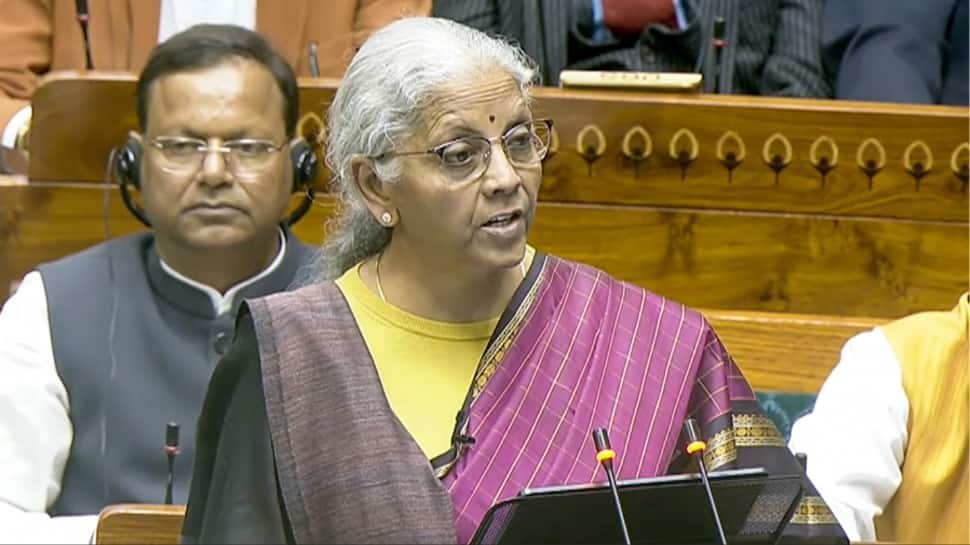
Finance Minister Nirmala Sitharaman presented her ninth consecutive Union Budget on Saturday, highlighting its foundation in ‘yuva shakti’ or youth energy, and its direction by three fundamental duties that define the government’s economic strategy.
Inspiration from Young Leaders
Sitharaman noted that the budget draws from ideas shared by young leaders with Prime Minister Narendra Modi at the Viksit Bharat Young Leaders’ Dialogue 2026. “They have inspired many of the proposals, making this a unique ‘yuva shakti’-driven budget,” she stated during her address to the House.
First Duty: Sustaining Growth and Resilience
The initial priority centers on maintaining economic expansion while strengthening defenses against international uncertainties. “Our aim is to accelerate and sustain economic growth by enhancing productivity and competitiveness and building resilience to volatile global dynamics,” Sitharaman explained.
Second Duty: Meeting People’s Aspirations
The second focus involves realizing the ambitions of citizens by developing capabilities and tackling daily challenges. “We want to build capacity and address everyday concerns such as jobs, income stability, and access to essential services, making our citizens strong partners in India’s path to prosperity,” the Finance Minister elaborated.
Third Duty: Inclusive Development
Aligning with the principle of ‘Sabka Saath, Sabka Vikas,’ the third duty promotes broad-based progress. “We are committed to ensuring that every family, community, region and sector has access to resources and opportunities for meaningful participation,” Sitharaman affirmed.
To achieve these goals, Sitharaman emphasized the need for a nurturing environment and thanked the public for their steadfast support as India progresses toward ranking among the world’s top economies. “Our aim is to transform aspiration into achievement and potential into performance,” she concluded.
