

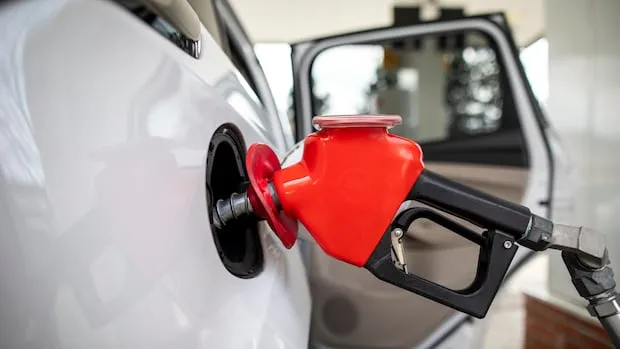
Gas prices across Canada have climbed a few cents overnight as North American oil markets respond to rising tensions in the Middle East. A joint U.S.-Israel strike on Iran Saturday heightens risks of regional instability, potentially disrupting oil shipments through the Strait of Hormuz, a vital global shipping lane.
Potential Impact on Fuel Costs
Motorists filling up this week may face sustained higher prices if the conflict interferes with tanker access to the Strait of Hormuz, one of the world’s busiest waterways. Rory Johnston, a Toronto-based oil markets researcher and founder of Commodity Context, notes the key factor: “The question with Hormuz is not just whether it’s closed but, most importantly, how long it would be closed. If we’re talking hours or days, this is mostly a blip and the market can get over it. Weeks or months, this is obviously a much more serious factor.”
Canada’s oil sector often benefits from elevated prices during geopolitical unrest, as its stability attracts buyers, Johnston adds.
Crude Oil Prices Climb
Brent crude, the global benchmark, surged to $78.04 US overnight before easing to $75.79 US by 12:30 p.m. ET Monday. West Texas Intermediate, the U.S. benchmark, held steady at $70.60 US midday.
Retail Gas Price Snapshot
Retail pump prices hit 135.3 cents per litre by Monday morning, up from 128.8 cents a month earlier but below 151.4 cents a year ago. Patrick De Haan, head of petroleum analysis at GasBuddy, warns of ongoing volatility due to geopolitical risks. “In the week ahead, gasoline prices are likely to face heightened upward pressure as seasonal trends continue and markets navigate this evolving geopolitical landscape,” De Haan states.
Analysts predict crude could reach $100 US per barrel if Iran’s oil production faces threats or shipping disruptions persist.
Strait of Hormuz: Global Oil Chokepoint
Iran’s Revolutionary Guard has warned ships away from the Strait of Hormuz, a narrow passage handling 20% of global crude oil. Jorge Leon, senior vice president and head of geopolitical analysis at Rystad Energy, explains: “This makes it the most critical oil chokepoint in the world. Any sustained disruption, formal or de facto, would remove a substantial portion of globally traded crude from the market.”
Projectiles and drones struck several tankers over the weekend, with unclear origins. By Sunday, over 150 commercial vessels anchored in the Persian Gulf to avoid risks, halting about 15 million barrels per day of crude. Leon estimates a net supply loss of 8-10 million barrels daily, even with bypass routes, unless tensions ease.
