

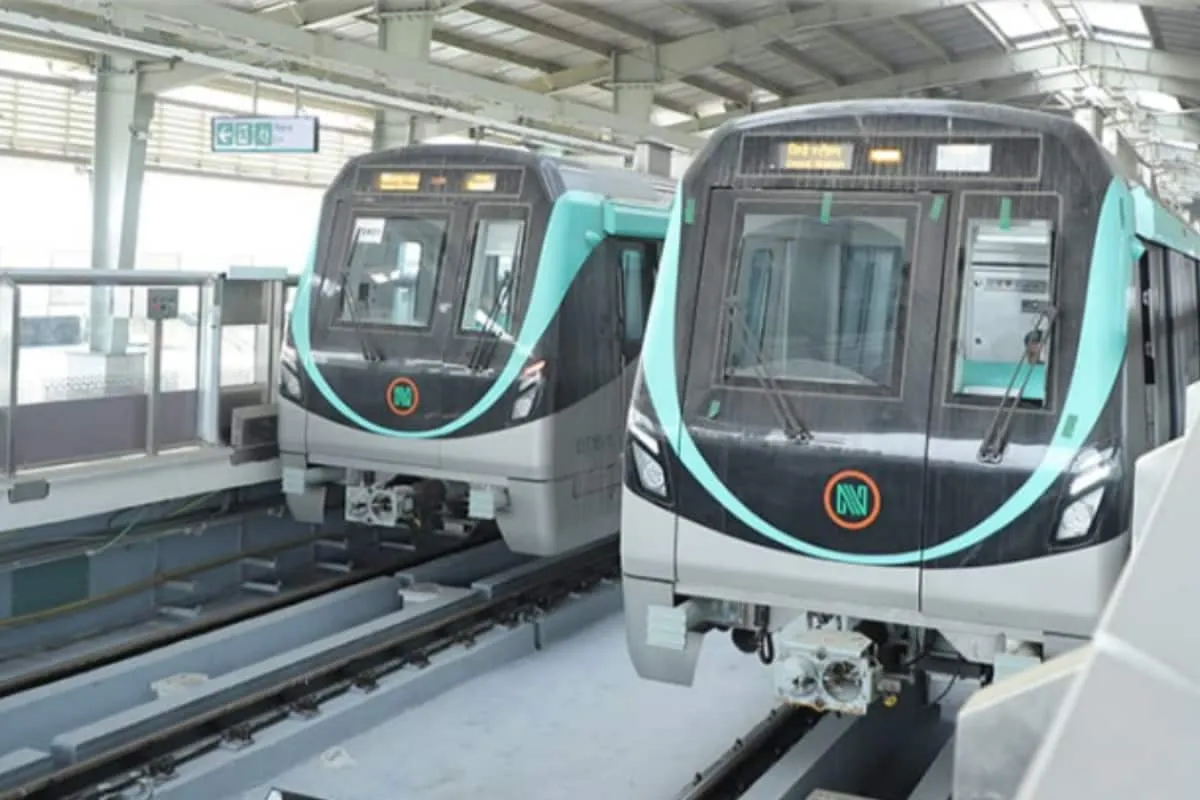
The Union Cabinet, chaired by Prime Minister Narendra Modi, has approved a new 11.56 km metro extension from Noida Sector 142 to Botanical Garden. This project under the Noida Metro Rail Corporation introduces eight elevated stations, expanding the total active metro network in Noida and Greater Noida to 61.62 km. The corridor promises significant improvements in public transportation and urban development.
1. Enhanced Connectivity Across Key Hubs
The extension bridges gaps in public transport, linking high-traffic areas with seamless access. It offers direct interchanges at Botanical Garden with the Blue and Magenta Lines. Commercial centers like Advant Business Park in Sector 142, Skymark One Mall in Sector 98, and Mall of Noida in Sector 93 gain better reach. Major IT firms, including Microsoft in Sector 145, TCS in Sector 157, Havells in Sector 126, Infosys and Adobe in Sector 132, Cognizant in Sector 135, and Oracle in Sector 127, benefit from improved employee commutes. Educational sites such as Amity University in Sector 125, Panchsheel Balak Inter College in Sector 91, and Mahamaya Balika Inter College in Sector 44 see easier access. Hospitals like Max Super Specialty in Sector 128 and attractions including Botanical Garden and Sector 93 Park also connect more efficiently.
2. Easing Traffic Congestion
As a reliable alternative to roads, the metro reduces vehicle volumes on busy routes. This shift leads to less congestion, faster travel times, and safer streets throughout Noida and Greater Noida.
3. Promoting Environmental Sustainability
Expanding the metro network cuts reliance on fossil fuel vehicles, lowering carbon emissions. The corridor fosters greener urban mobility and supports long-term ecological goals.
4. Driving Economic Expansion
Shorter commutes boost worker productivity and link the area to Delhi’s airports, railway stations, and bus terminals. Local businesses near stations thrive, drawing investments to underdeveloped zones.
5. Improving Social Equity
The line ensures equitable public transport access across income groups, closing mobility divides. Residents gain better opportunities for jobs, education, and services, enhancing overall quality of life and aiding sustainable city growth.
