

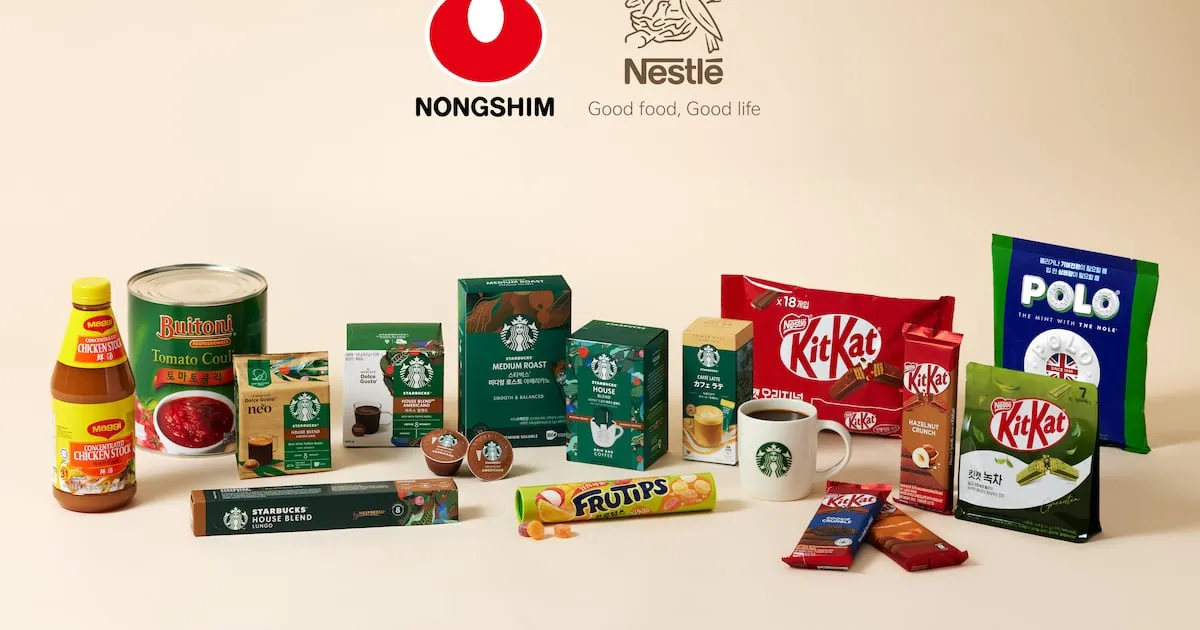
Nongshim Expands into Nestlé’s Network
Nongshim actively boosts its presence in South Korea’s coffee sector by integrating into Nestlé Korea’s nationwide distribution channels. Nestlé Korea manages its operations through a direct partnership model that covers the entire country, positioning capsule coffee products like Cappuccino as frontrunners against Starbucks options in its outlets. Industry analysis reveals this move aims to reshape market dynamics.
Nongshim currently supplies its proprietary blends to roughly 150 Nestlé Korea locations. Offerings include Nescafé, Dolce Gusto, and Starbucks at-home products in original, stick, and capsule formats. These items channel into supermarkets, hypermarkets, and convenience stores via Nestlé’s extensive network.
Past Collaborations and Current Momentum
Nongshim and Nestlé Korea have collaborated directly before. In 2003, Nongshim distributed Nescafé Twisties and similar coffee items. By 2013, the partnership extended to KitKat and other brands.
A Nestlé Korea executive described the latest alliance as “a collaboration that surpasses prior efforts in targeted categories, driving deeper market penetration toward leadership.” The executive added, “This partnership enables timely and stable expansion across product categories.”
Nestlé’s Market Realignment
This partnership supports Nestlé Korea’s nationwide direct distribution overhaul. Nestlé began Korean sales in 1987 and launched Lotte Nestlé Korea in 2014 for broader reach. Lotte Nestlé Korea manages core coffee operations, while Nestlé Korea oversees Cappuccino and related lines.
Lotte Nestlé Korea recently entered Qingdao production to grow categories like coffee, pasta, nutrition, and pet care. One key driver is the dominance of Dong Suh Foods in the domestic coffee market.
In 2024, South Korea’s instant coffee market—including stick types—reached approximately 1.3037 trillion won, with Dong Suh Foods claiming 86.9% share. Nine of the top 10 brands belong to Dong Suh, leaving limited room for competitors like Kanu.
Focus on Distribution Over Production
Unlike past joint ventures involving new manufacturing, Nongshim concentrates solely on distribution. Experts note Nongshim’s superior growth potential over Starbucks in the coffee arena, targeting both Starbucks staples and premium private labels.
Domestic capsule coffee volume stands at about 5,000 tons annually. Nestlé Korea leads segments against Starbucks, securing around 80% of stable market share.
Dong Suh Foods dominates as the premium player in capsule coffee. Yet, since its 2023 launch, Nongshim’s Cappuccino Barista has surged ahead of Starbucks’ Messina, breaking 1,000 tons in monthly sales within three years. Higher purchase prices reflect strong marketing and quality appeal.
Consumer Trends and Competitive Edge
Capsule coffee gains traction amid rising home brewing. Pods cost 600-900 won each—cheaper for two shots than café visits—appealing to casual drinkers. Daily consumers view it as an economical choice.
While Seoul favors other major brands, unified home options draw loyal followings. Starbucks emphasizes consistent single-origin tastes, but Cappuccino wins with handmade feel, balanced bitterness, and vibrant aroma, boosting consumer preference.
Analysts predict a shift toward U.S.-style home café products. A coffee industry official stated, “Capsule coffee drives bigger market growth post-bean trends.” Another added, “Nestlé’s Nongshim distribution expands channels, unlocking greater business potential.”
Broad Business Synergies
Nongshim supports Nestlé’s B2B channels in hotels, restaurants, and food services with brands like Maggi and Buitoni. A Nongshim representative noted, “Leveraging Nestlé’s global brand success and our distribution expertise makes their products more competitive for Korean consumers, amplifying our influence.”
