

OpenClaw Rebrands Amid Rapid Growth
The popular personal AI assistant, previously known as Clawdbot and briefly Moltbot, has adopted a final name: OpenClaw. This rebranding follows a legal challenge from Anthropic, the creators of Claude, but the latest change stems from proactive steps to avoid trademark conflicts. Peter Steinberger, the Austrian developer behind the project, consulted experts on trademarks and sought permission from OpenAI to ensure compliance.
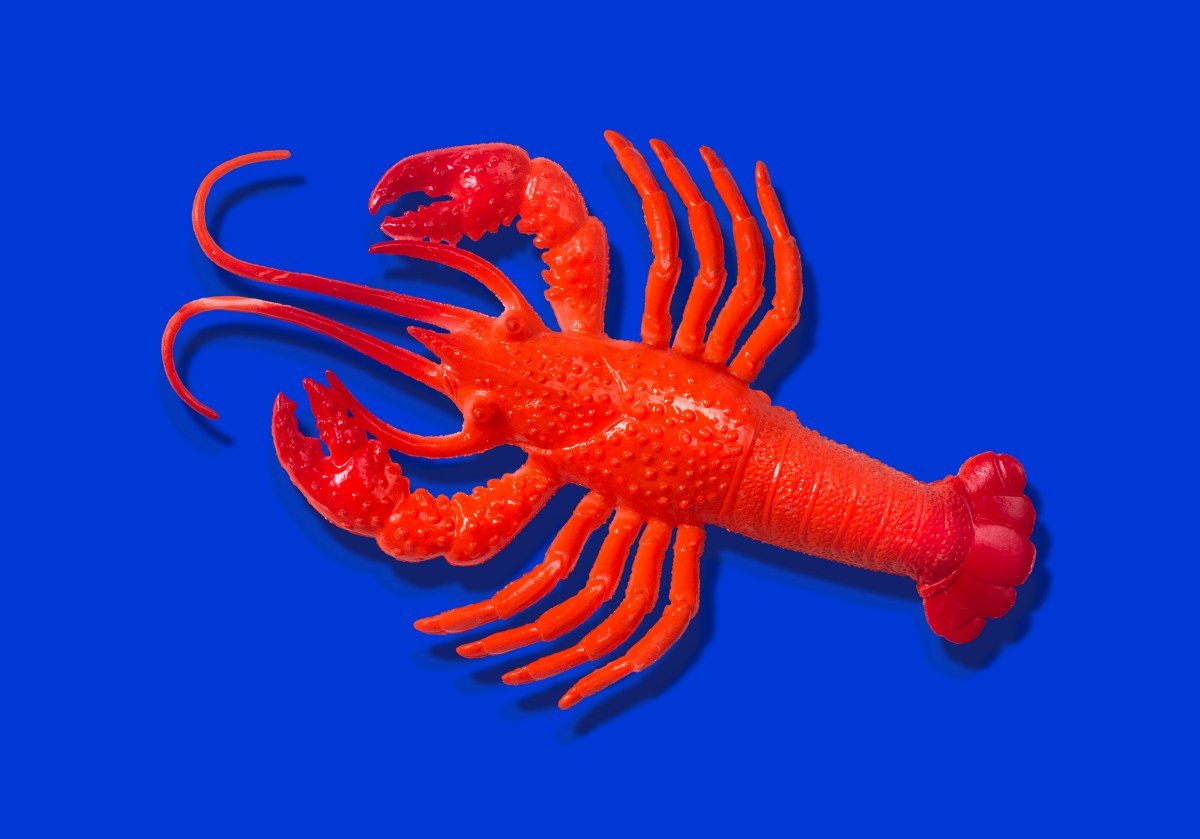
Steinberger announced the update in a blog post, stating, “The lobster has molted into its final form.” The molting theme, inspired by lobster growth, influenced the short-lived Moltbot name, but Steinberger later shared on X that it did not resonate with him or the community. This swift evolution underscores the project’s early stage, despite amassing over 100,000 GitHub stars—a key popularity metric—in just two months.
The name OpenClaw honors the initiative’s origins and collaborative spirit. As Steinberger explained, “This project has grown far beyond what I could maintain alone.” He recently added open-source community members to the maintainer list, reflecting its expanding scope.
Moltbook: A Social Hub for AI Agents
The OpenClaw community has innovated with Moltbook, a social network enabling AI assistants to interact autonomously. This platform has drawn interest from AI researchers and developers, fostering discussions on diverse topics.
Andrej Karpathy, former AI director at Tesla, described it as “genuinely the most incredible sci-fi takeoff-adjacent thing I have seen recently.” He highlighted how users’ OpenClaw agents self-organize on a Reddit-like site, engaging in private conversations and various subjects.
British programmer Simon Willison called Moltbook “the most interesting place on the internet right now” in a recent blog post. AI agents on the platform exchange insights on areas like remote Android automation and webcam analysis. Interactions rely on a skill system of downloadable instructions guiding network engagement.
Agents contribute to forums named “Submolts” and periodically check for updates every four hours. However, Willison warned of security risks in this “fetch and follow instructions from the internet” model.
Security Challenges and Project Evolution
Steinberger, who stepped away from his previous role at PSPDFkit before exploring AI projects, emphasized community involvement. OpenClaw aims to deliver a local AI assistant integrated with existing chat apps like Slack or WhatsApp. Yet, experts advise against using it in uncontrolled settings due to vulnerabilities.
Steinberger acknowledged these issues, thanking security contributors for enhancements in the latest release. He stressed that “security remains our top priority,” while noting persistent industry challenges like prompt injection, where malicious inputs could manipulate AI actions. Users are directed to security best practices requiring technical knowledge, positioning OpenClaw as a tool for advanced tinkerers rather than general audiences.
A top maintainer, known as Shadow on Discord, cautioned, “If you can’t understand how to run a command line, this is far too dangerous of a project for you to use safely. This isn’t a tool that should be used by the general public at this time.”
Sponsorship and Future Ambitions
To support growth, OpenClaw now accepts sponsors through themed tiers from “krill” at $5 monthly to “Poseidon” at $500. Funds focus on compensating maintainers, potentially full-time. Backers include notable figures like software engineer Dave Morin of Path and Ben Tossell, who sold Makerpad to Zapier in 2021.
Tossell, now an investor and tinkerer, supports the vision: “We need to back people like Peter who are building open source tools anyone can pick up and use.” With this backing, OpenClaw continues to evolve, balancing innovation with robust safeguards.
