

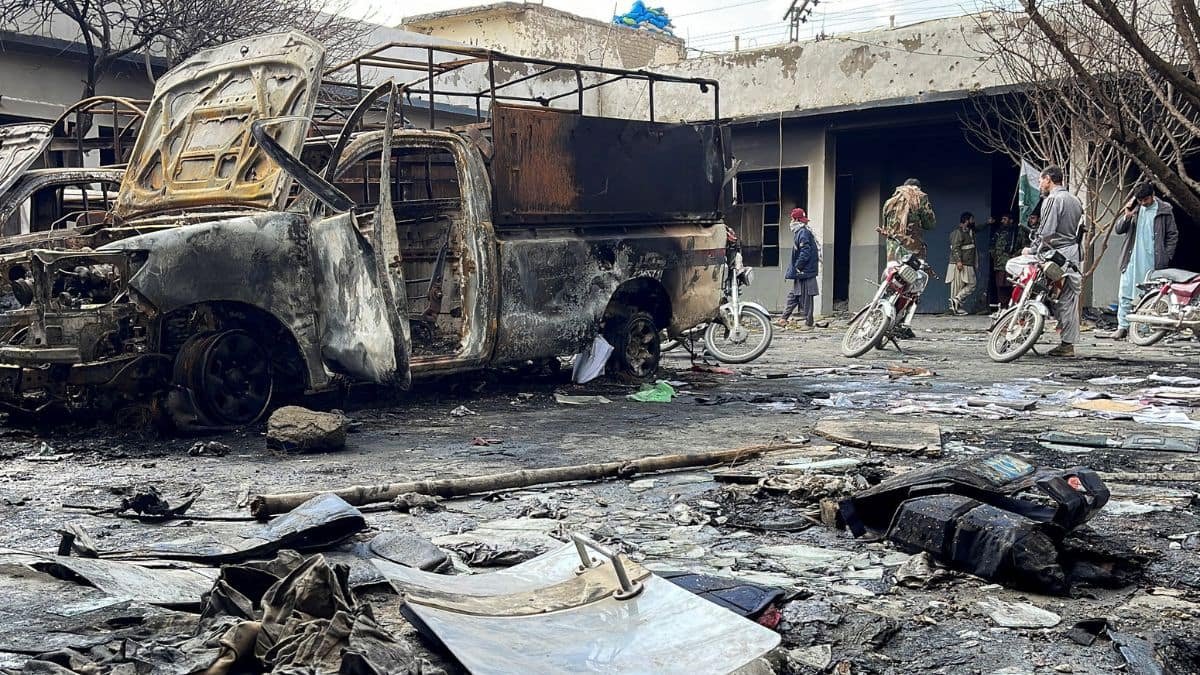
Security Crisis Intensifies as Attacks Surge Nationwide
January marked another devastating month in Pakistan’s escalating security crisis, with armed conflicts claiming 386 lives according to independent conflict monitoring data. This represents an increase from December’s 341 fatalities and continues a dangerous trend from 2025, which recorded 4,001 insurgency-related deaths – the highest annual total since 2014.
Weekend of Coordinated Attacks
Recent violence peaked over the weekend when Baloch Liberation Army (BLA) fighters launched simultaneous assaults on multiple security installations. Preliminary reports indicate at least 33 security personnel and civilians died in these attacks. Authorities responded with extensive counteroperations, claiming to have eliminated 177 insurgents during two days of military action.
Geographic Spread of Violence
What began as regional conflicts in northwestern Khyber Pakhtunkhwa and southwestern Balochistan provinces has now expanded to the capital region. Insurgent groups have repeatedly targeted security force headquarters in major urban centers, demonstrating increased operational capability. Current violence levels approach those seen during 2014’s peak conflict year, which included the deadly Army Public School massacre in Peshawar that claimed 150 lives.
Geopolitical Dimensions of Conflict
Security analysts observe that Pakistan’s deteriorating relations with Afghanistan’s Taliban government have coincided with increased cross-border tensions. October saw intense military exchanges along the Afghanistan-Pakistan border involving ground assaults and airstrikes. Simultaneously, domestic militant groups including the Tehrik-i-Taliban Pakistan (TTP) have significantly increased operational tempo in northwestern regions.
Historical Context and Current Challenges
The security deterioration comes amid significant political developments, including expanded military oversight of governance structures. Data reveals a 70.93% surge in insurgency-related fatalities between 2024 and 2025, with militant groups reportedly benefiting from advanced weaponry left after the Afghanistan withdrawal. The Taliban’s takeover of Kabul, initially welcomed by some Pakistani officials, has failed to produce anticipated security improvements along the porous border region.
Counterterrorism officials report facing simultaneous challenges from multiple fronts: ongoing clashes with Afghan Taliban forces along the western border, intensified TTP operations in the northwest, and renewed Baloch separatist activity in the southwest. This complex threat environment presents one of the most severe security challenges in Pakistan’s recent history.
