

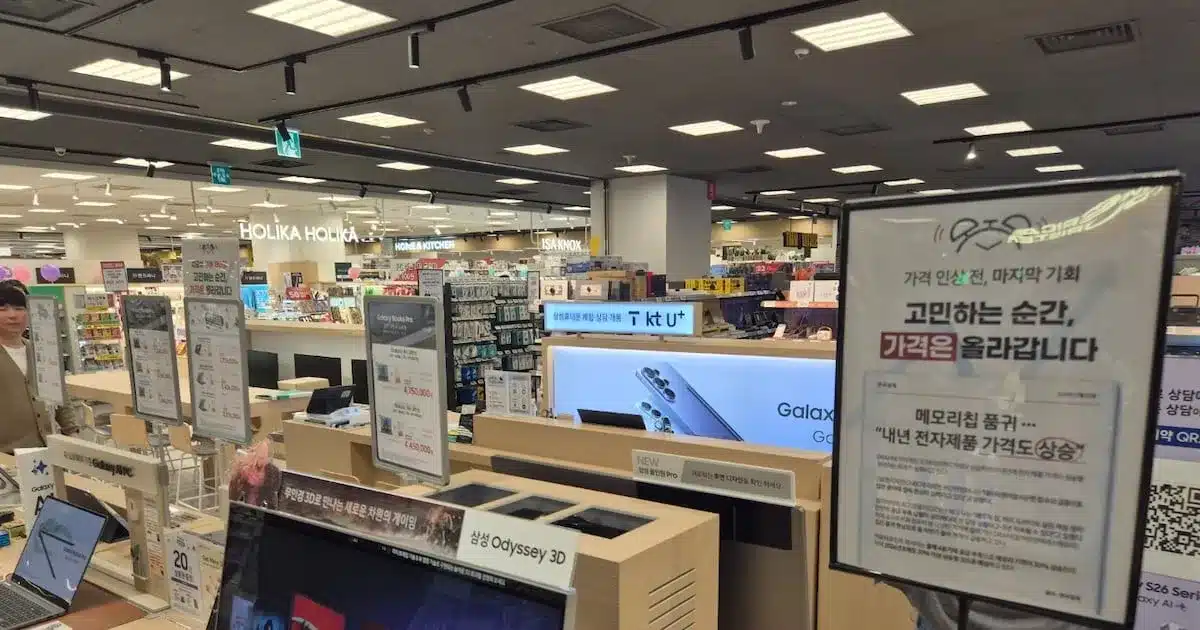
The surge in artificial intelligence demand has propelled memory prices up 130% year-over-year, leading to a 10% decline in overall IT product shipments. PC shipments dropped 17%, while smartphone volumes fell 13%.
DRAM and SSD Prices Skyrocket
Recent market data shows DRAM and NAND flash memory prices, including SSDs, climbing 130% compared to the prior year. Chip prices specifically rose 10.4% for PCs and 8.4% for smartphones.
This memory demand shift pushes manufacturers toward premium segments where buyer appetite remains strong.
Analyst: Premium Shift Reshapes Market
Ranjit Atwal, senior director analyst at Gartner, states, “AI-driven PC and smartphone shipments will hit the highest levels in a decade.” He adds, “Rising prices enable premium segments to seize demand, prompting early enterprise adoption and linking machine sales cycles to upgrades.”
Enterprise PC average selling prices increased 15%, with personal segment models up 20%. The education sector shows growth potential from pandemic recovery and seasonal back-to-school demand.
Memory’s Growing Role in PCs
Memory now accounts for 23% of PC costs, up from 16% last year. AI PCs are projected to capture 50% market share by 2028.
Atwal notes, “During non-peak demand, vendors must offer targeted support; high-end PCs under $500 (about 70 million won) will remain scarce until 2028.”
Smartphones Feel Bigger Impact
The memory price hike exerts even greater pressure on high-end smartphone sales. Consumers lean toward flagship or mid-range models, boosting premium phone uptake.
Gartner forecasts premium smartphone buyers expanding fivefold from current levels by 2026.
Atwal predicts, “Notebook shipments peak in 2026 as early adopters chase maximum margins. Post two quarters, the surge absorbs excess inventory, demanding strategic responses.”
PC makers, sensitive to memory costs, prioritize margin gains and selective demand fulfillment amid shifting age structures.
