

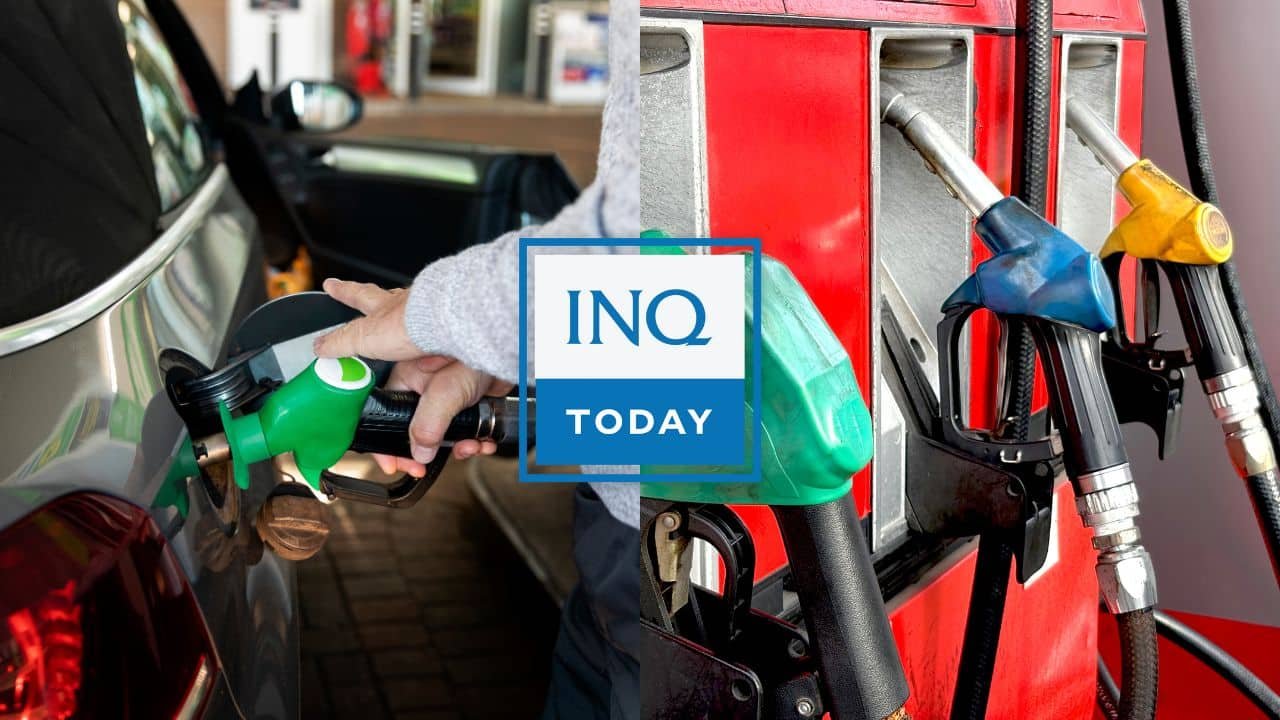
Motorists Face Continued Pain at the Pump as Oil Prices Surge
Motorists and transport operators are bracing for another round of financial pressure as domestic fuel prices are projected to climb further during the first week of February. This upcoming adjustment marks a significant trend in the energy market, particularly for diesel consumers who are facing their sixth consecutive weekly price increase.
Diesel Leads the Upward Trend
Industry experts indicate that the persistent rise in global oil valuations continues to trickle down to local pumps. Diesel, a primary fuel for the public transport and logistics sectors, is expected to see yet another per-liter price hike. This sixth straight week of increases underscores a period of sustained volatility in the energy sector that began at the start of the year.
According to industry leaders, the price of diesel is slated for a significant upward adjustment. While gasoline and kerosene have also seen fluctuations, the steady climb of diesel prices remains a primary concern for the economy due to its impact on the movement of goods and public utility vehicle operations.
Market Factors Driving the Increase
The anticipated price surge follows a month of aggressive hikes in January. Recent data shows that external factors, including geopolitical tensions and shifts in global supply chains, have kept upward pressure on crude oil. In the Philippines, these adjustments are typically implemented every Tuesday, reflecting the movement of the Mean of Platts Singapore (MOPS) from the previous week.
By the end of January, cumulative price increases had already added several pesos to the cost of gasoline, diesel, and kerosene per liter. This latest round of hikes expected in early February suggests that the trend of expensive fuel is not yet ready to plateau.
Impact on Consumers
As the first week of February approaches, consumer advocacy groups advise motorists to fill up their tanks before the new rates take effect. The compounding nature of these weekly hikes has led to a noticeable increase in daily operating costs for delivery services and commuters alike. With no immediate signs of a significant rollback, the public is encouraged to monitor fuel consumption and prepare for a potentially expensive start to the second month of the year.
