

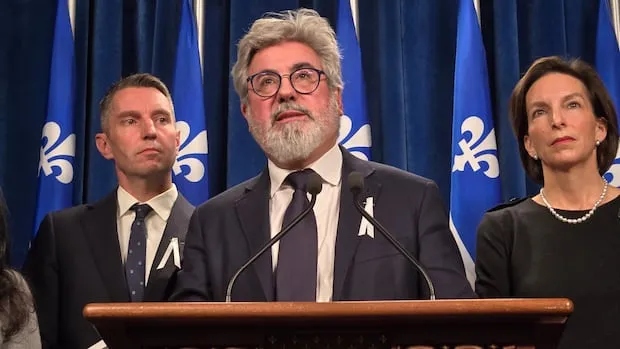
A recent investigation into text messages central to the scandal that led to former Quebec Liberal Party leader Pablo Rodriguez’s resignation uncovers evidence of manipulation through cut-and-paste editing.
Investigation Findings
Jacques R. Fournier, former chief justice of the Quebec Superior Court, conducted the probe. His 39-page report, released Wednesday, examined claims of vote-buying during the party’s leadership race. Published texts from last November alleged members received payments, dubbed “brownies,” to support Rodriguez.
Fournier found no proof of wrongdoing. He reviewed voluntary statements from witnesses but lacked subpoena powers, leaving open the possibility of unreported vote-buying.
No Involvement by Key Figures
The report exonerates Liberal MNA Sona Lakhoyan Olivier, Coalition Avenir Québec MNA Alice Abou-Khalil, and Liberal MNA Fayçal El-Khoury from the disputed exchanges. Earlier identifications linking them to the texts were incorrect.
Rodriguez’s campaign had no knowledge of any “brownies” payments.
Text Manipulation Exposed
Analysis shows the published messages do not belong to discussions from April 11-13, 2025. They appear inserted via cut-and-paste after removing original content. No dates or origins tie the added excerpts to the chain.
Fournier could not pinpoint payers, recipients, amounts, or affected votes. However, the alleged activities did not alter the leadership race outcome.
Rodriguez Responds
On social media, Rodriguez praised Fournier’s thorough work. “His report clearly shows that my team and I never took part in or witnessed any wrongdoing during the leadership race,” he stated.
Ongoing Probes and Legal Changes
Quebec’s anti-corruption unit, UPAC, continues investigating the vote-buying claims. National Assembly ethics commissioner Ariane Mignolet probes Lakhoyan Olivier, who faces caucus expulsion pending results.
Bill 14, adopted in December, closes a prior loophole in Quebec’s Elections Act. It now bans donations for votes in leadership, mayoral, and nomination races—previously allowed only outside general elections. Penalties range from $5,000-$20,000 for first offenses and $10,000-$30,000 for repeats within 10 years.
