

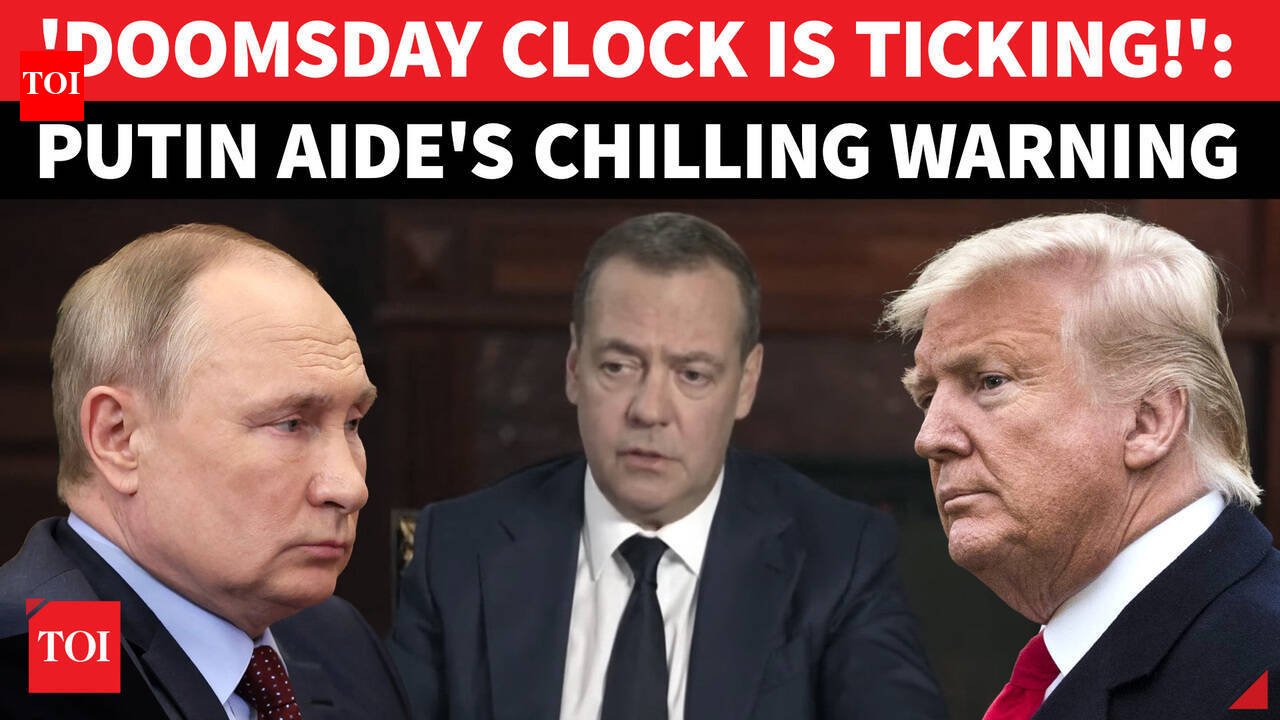
Nuclear Arms Control Crisis Looms Over US-Russia Relations
A senior Russian security official has issued a stark warning about global stability as the final nuclear arms agreement between Washington and Moscow approaches expiration. Dmitry Medvedev, former Russian president and current deputy chairman of Russia’s Security Council, cautioned that failing to replace the New START treaty could push humanity closer to symbolic catastrophe.
Doomsday Clock Implications Raised
“The world community should view this situation with maximum concern,” Medvedev stated regarding the treaty’s impending expiration in February 2026. While acknowledging that lapse wouldn’t immediately trigger nuclear conflict, he emphasized it could accelerate the symbolic Doomsday Clock maintained by atomic scientists.
Geopolitical Tensions Escalate
The warning comes amid heightened global instability following Russia’s military operations in Ukraine. Officials confirmed Russia has significantly increased conventional weapons production since the conflict began, with armored vehicle manufacturing reportedly surging fivefold and artillery shell production expanding fiftyfold.
US Position and Treaty Status
Recent diplomatic communications suggest the current US administration has shown reluctance to extend New START under existing terms. Previous administration officials had indicated openness to letting the agreement expire while pursuing alternative arrangements, though no formal proposals have materialized.
Broader Security Concerns
Medvedev also addressed escalating tensions with European leadership, noting deteriorating relations with Germany and France specifically. The security official further warned about emerging strategic technologies, stating that artificial intelligence development could fundamentally alter global power dynamics within the coming decade.
Arms control analysts describe the New START treaty as the last major barrier preventing complete nuclear arms race resumption between the world’s two largest atomic powers. The agreement currently limits each nation to 1,550 deployed strategic nuclear warheads and 700 deployed delivery systems.
