

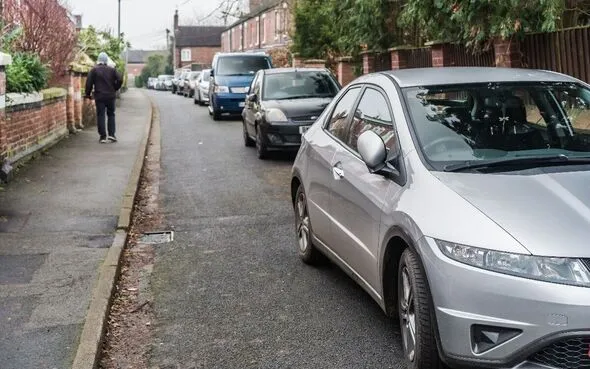
UK homeowners must navigate specific regulations for shared driveways, which vary by property deeds, Land Registry Title Plans, council agreements, and neighbor pacts. Ownership hinges on deeds and physical layout—some driveways are jointly held, while others belong to a single property owner. Homeowners unsure of status should verify details via the Land Registry.
Access Rights and Key Restrictions
Those with a legal right of way can traverse the driveway to access their property. However, blocking it with vehicles, parking on it, or limiting neighbor access violates standard rules unless deeds explicitly permit such use.
Legal guidelines confirm no automatic parking rights exist on shared access driveways.
Obstruction Laws Under Highways Act 1980
Sarah Ryan, legal expert at Lawhive, notes that the Highways Act 1980 prohibits obstructing highways, including shared driveways in England and Wales. She explains: “A person should not obstruct a highway, including a shared driveway in England or Wales. So if a neighbour blocks a shared driveway, they are breaking the law and they could be fined for it. Therefore, legally, owners of a shared driveway have a responsibility to be considerate and not block the driveway.”
Parking on shared driveways counts as highway obstruction, carrying legal penalties. Neighbors may negotiate informal parking deals, but no party holds an inherent legal entitlement.
Steps to Resolve Driveway Disputes
Start by sending a formal letter outlining the issue. If unresolved, consult legal advisors, engage a mediator, or pursue court action as a final measure.
Effects on Property Sales and Insurance
Shared driveways impact sales—disclose them upfront, clarify rights of way in legal packs, and address buyer queries during conveyancing. For building insurance, declare the shared driveway. Poor maintenance or ongoing disputes may increase premiums, but transparency aids smooth claims processing.
