

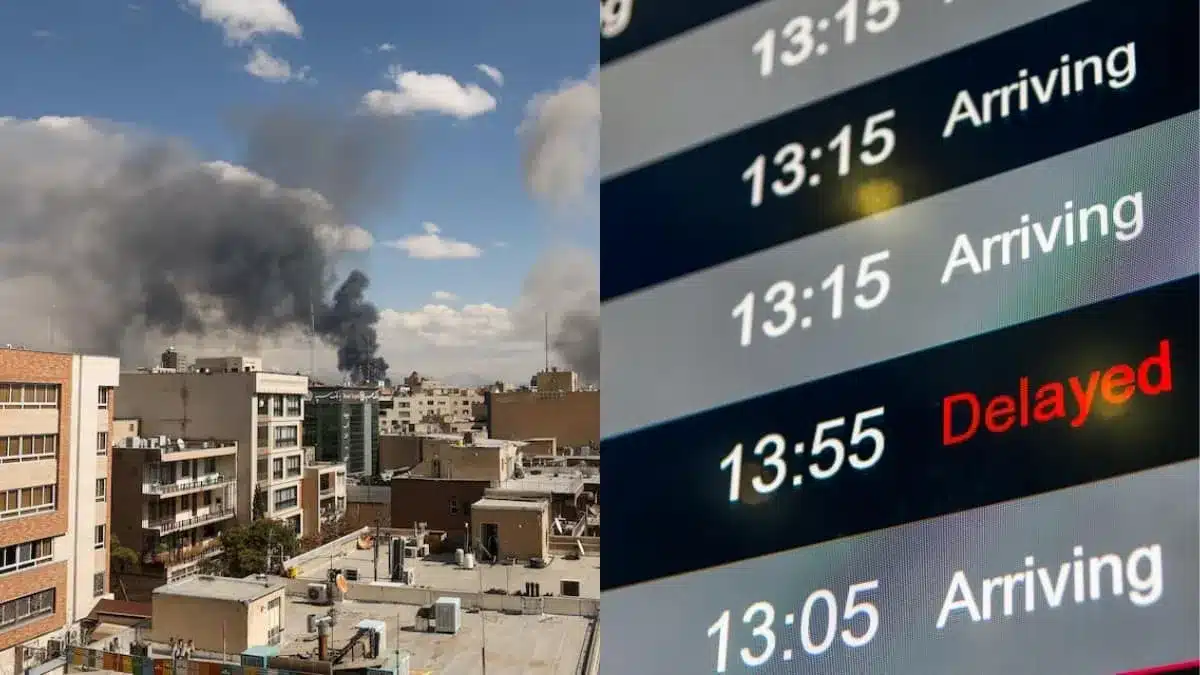
Escalating tensions between Iran and Israel trigger widespread airspace closures across West Asia, including Gulf hubs like the UAE, Qatar, Iraq, and Kuwait. Thousands of flights face cancellations or diversions, leaving hundreds of thousands of passengers stranded worldwide.
Major airports such as Dubai International and Abu Dhabi’s Zayed International halt or reduce operations, forcing airlines to reroute or suspend services. Governments urge citizens to shelter in place or avoid travel in impacted zones.
Airlines issue advisories and support stranded travelers, yet passengers hold specific rights under civil aviation rules and international human rights standards. Always verify the latest updates, embassy advice, and local regulations before acting.
Flight Passenger Rights in Disruptions
Civil aviation protections persist during conflict-related issues, governed by airline policies, ticket origins, and laws like the EU’s Regulation 261/2005 for EU-connected flights.
For cancelled or delayed flights to, from, or within covered areas:
- Airlines provide re-routing or full ticket refunds, including taxes and fees.
- Many regimes require care such as meals, communication, and accommodation during waits.
- EU rules grant compensation of €250–€600 based on distance, alongside care.
These obligations remain contractual and jurisdiction-based, independent of conflict status.
International Human Rights to Movement
Article 13 of the Universal Declaration of Human Rights and the International Covenant on Civil and Political Rights affirm everyone’s right to leave any country, including their own, and return home. Lawfully present individuals face no arbitrary barriers to departure.
Guidance from the Office of the High Commissioner for Human Rights (OHCHR) on border rights stresses preserving dignity and mobility, even amid security measures. States may enforce border or airspace closures for safety but must align conditions with human rights obligations, avoiding arbitrary denials.
Embassy and Consulate Support
Embassies serve as primary aid points, offering:
- Emergency helplines and contact lists.
- Updates on safe zones, shelters, and evacuation paths.
- Assistance with emergency passports or travel documents.
- Advice on local laws, medical facilities, and security.
- Coordination with authorities for safe exits.
While international law imposes no evacuation duty, many governments aid nationals during crises. Numerous nations now advise departing conflict areas, with some organizing large-scale evacuations. India’s Ministry of External Affairs aids foreigners in India to regularize visas amid disruptions, preventing overstays.
Practical Steps for Stranded Travelers
Take these actions:
- Verify refund, rebooking, meal, hotel, and rerouting entitlements; request written confirmations.
- Register your location and share local contacts.
- Seek emergency travel documents or evacuation options.
Travel insurance often excludes war or terrorism under force majeure clauses, limiting coverage for evacuation, medical, or recovery costs. Review policies for optional war/terrorism extensions.
