

U.S. policies have severely restricted Cuba’s oil supplies and raised the prospect of a “friendly takeover” of the island nation, amid ongoing military activities in Venezuela and Iran. President Donald Trump has signaled Cuba as a potential focus, stating, “Whether I free it, take it, I think I can do anything I want with it. They’re a very weakened nation right now.” These measures push Cuba’s economy toward collapse.
A Brief Window of Change (2012-2016)
Reflecting on visits a decade ago reveals how relations once appeared poised for normalization after over 50 years of tension. Cuba turned communist after Fidel Castro’s 1959 revolution, aligning with the Soviet Union and seizing U.S. properties, prompting President John F. Kennedy to impose a full embargo in 1962. Shortages of food, fuel, and goods followed.
First Impressions in Havana, March 2012
The initial trip to Havana coincided with Pope Benedict XVI’s visit. The modest airport required repeated explanations to immigration officials about journalistic credentials, eased by Spanish-speaking team members. Faded pastel buildings and vintage American cars evoked a familiar yet frozen past. Fresh paint adorned the Malecón seawall, signaling preparations beyond a mere religious event—hinting at subtle openings in a communist state.
Witnessing Reforms Up Close
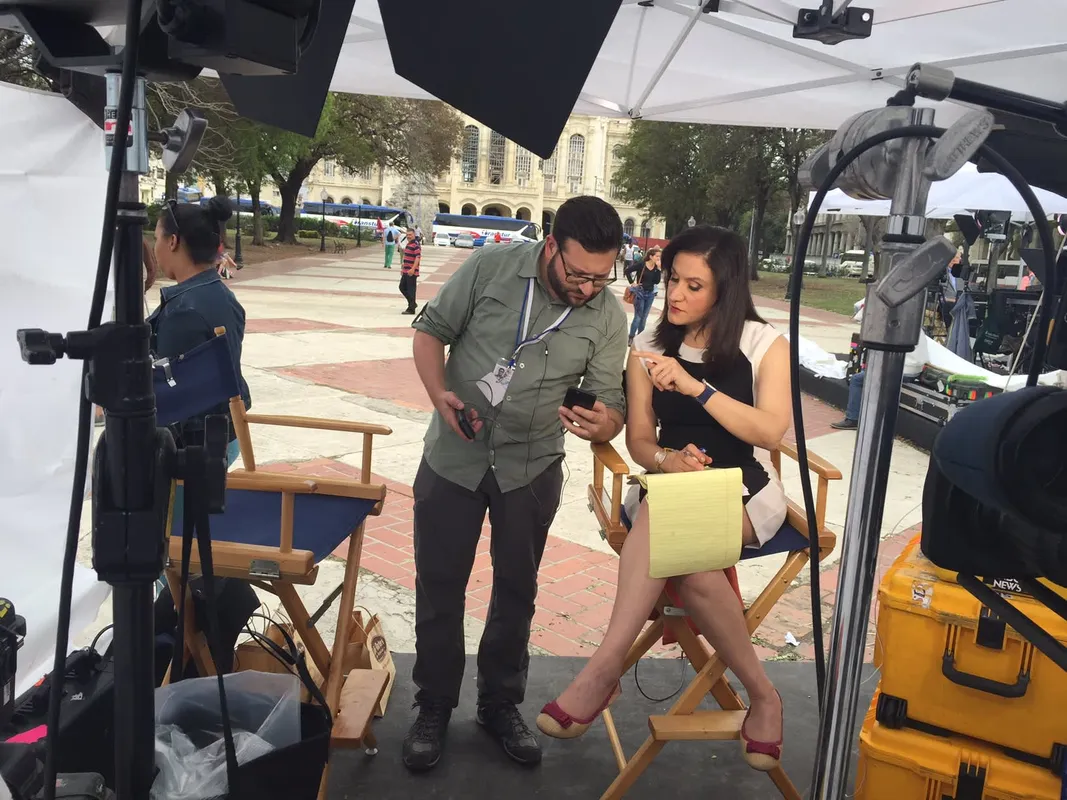
Over 10 trips between 2012 and 2016, key developments unfolded. Less than a year after the pope’s visit, officials showcased economic reforms, including discussions with the central bank governor and small business owners adapting to gradual changes. Off the itinerary, sites like Hershey, Cuba—built by Milton Hershey for sugar production—highlighted pre-revolution American ties. Repurposed landmarks included a former Coca-Cola factory, Western Union site, and Woolworth’s turned discount store.
Diplomatic Breakthroughs
In July 2015, President Barack Obama announced restored diplomatic relations. Excitement buzzed in Havana upon arrival via charter from Miami, though tempered by caution. The U.S. embassy reopened a month later, with the flag raised amid onlookers from nearby crumbling apartments. Younger Cubans sensed expanding opportunities.
Obama’s March 2016 visit amplified optimism. Relaxed U.S. travel rules and limited trade resumed, despite the enduring embargo enshrined in law. Highlights included a Rolling Stones concert and the first Major League Baseball game on the island in decades.
Growing Connections and Challenges
Carnival Cruise Line’s Fathom brand docked in Havana in 2016—the first U.S. cruise ship since 1978. JetBlue launched direct New York flights by November. Family-run eateries and Airbnb options emerged, marking incremental progress.
Reporting remained challenging: permits vanished unexpectedly, phones failed, Wi-Fi was scarce, and menus often yielded only rice and beans. Elegant facades hid decaying interiors.
Fidel Castro’s Death and Shifting Tides
The final trip in November 2016 followed Fidel Castro’s death, after he had transferred power to brother Raúl. Havana observed mourning: music halted, alcohol vanished, lines formed for condolence books. The city felt subdued, with reforms’ future and U.S. ties in question.
Subsequent years saw reversals: U.S. embassy staff reductions, new travel curbs in 2017, and fewer American visitors. Tensions have resurfaced, underscoring history’s cyclical nature between these neighbors 90 miles apart.
