

Major Trade Agreement Announced Between US and India
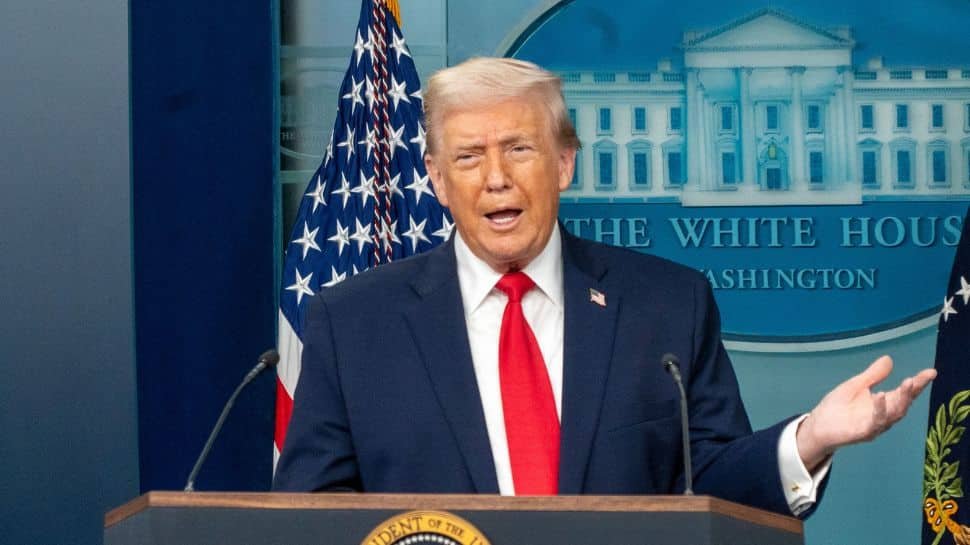
In a significant bilateral development, the United States and India have reached a comprehensive trade agreement featuring reciprocal tariff reductions. The arrangement was formally announced through a social media statement by former US President Donald Trump following a discussion with Indian Prime Minister Narendra Modi.
Key Elements of the Agreement
Under the new terms, India will eliminate both tariff and non-tariff barriers on American imports across all sectors. This includes agricultural products that previously faced duties up to 100%, industrial goods averaging 13.5% tariffs, and various regulatory barriers affecting US energy exports, technology, and defense equipment.
In exchange, the United States will reduce tariffs on Indian exports from previous rates as high as 25-50% down to a standard 18% rate. This adjustment resolves trade tensions stemming from India’s energy purchases from Russia and culminates six rounds of negotiations.
Economic Implications
The agreement establishes a framework to expand bilateral trade to $500 billion annually by 2030. Market analysts note that India previously maintained an average 17% tariff on imports through its Most Favored Nation policy, with particularly stringent requirements for agricultural imports including quality certifications and local content rules.
Prime Minister Modi acknowledged the development in a social media post, stating: “Delighted that Made in India products will now have a reduced tariff of 18%. Big thanks to President Trump on behalf of the 1.4 billion people of India for this wonderful announcement.”
Implementation and Verification
While the tariff adjustments take immediate effect, official confirmation from Indian authorities regarding the complete elimination of trade barriers is pending. The timing coincides with recent diplomatic engagements, including discussions about critical minerals cooperation during External Affairs Minister Jaishankar’s recent US visit.
Commerce ministry officials from both nations described the agreement as the result of careful negotiation, with India having previously adjusted budgetary provisions to facilitate the trade terms. The resolution marks a significant step in economic cooperation between the two democracies amid evolving global trade dynamics.
