

The United States and Iran wrapped up indirect high-stakes discussions in Oman, the first since last year’s Iran-Israel war. Both nations agreed to pursue follow-up talks following consultations in their capitals. The Muscat meetings occurred against a backdrop of escalating regional tensions and a significant U.S. military presence.
Heightened Regional Tensions
U.S. forces recently repositioned the aircraft carrier USS Abraham Lincoln and additional warships near Iran. This followed an incident where American personnel downed an Iranian drone close to the carrier group, while Iran attempted to halt a U.S.-flagged vessel in the Strait of Hormuz. Washington issued stern warnings of severe repercussions should Tehran reject nuclear negotiations or deploy force against protesters. Iran maintains that productive dialogue demands an environment free from threats and coercion.
Gulf states express growing concerns that any misstep could ignite a broader conflict, disrupting vital shipping lanes.
Key Participants in the Talks
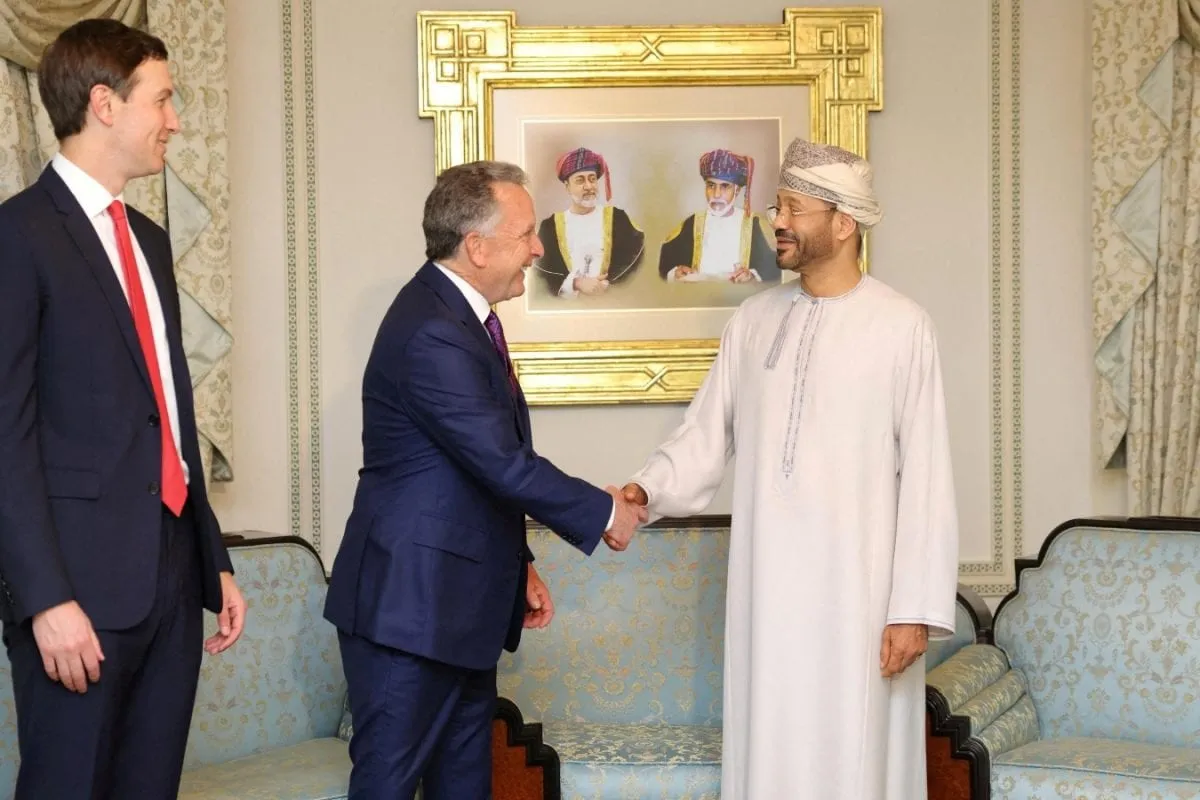
Iranian Foreign Minister Abbas Araghchi led Tehran’s delegation, joined by U.S. envoy Steve Witkoff and Jared Kushner, President Donald Trump’s son-in-law. Omani Foreign Minister Badr Albusaidi facilitated the indirect format by shuttling messages between the parties. Notably, U.S. Central Command head Admiral Brad Cooper attended in uniform, highlighting the military dimension as U.S. naval assets patrol Iran’s coastline.
Omani officials described the sessions as valuable for clarifying positions and pinpointing potential progress areas. Araghchi noted the multi-round format aimed at establishing a negotiation framework.
Core Discussion Topics
Tehran limited the agenda to nuclear matters, excluding ballistic missiles, regional proxies, and internal issues. The U.S. sought a wider scope. Iranian officials outlined a preliminary plan to manage the crisis and propel talks forward, which Omani mediators relayed to the American side. A U.S. response awaits transmission during upcoming consultations.
Central disputes persist over Iran’s uranium enrichment, now at 60%—a threshold near weapons-grade material. Iran offers verification of peaceful intent in exchange for sanctions relief. The International Atomic Energy Agency continues pressing for site access damaged in last year’s 12-day conflict. Restrictions trace back to the U.S. exit from the 2015 nuclear accord.
Diplomats from Egypt, Turkey, and Qatar proposed Iran pause enrichment for three years, export enriched uranium, and forgo offensive ballistic missile use. Tehran deems such steps unacceptable.
U.S. Secretary of State Marco Rubio remarked earlier, “I’m not sure you can reach a deal with these guys, but we’re going to try to find out.”
Statements from Leaders
President Trump called the talks “very good” and confirmed plans for more sessions early next week. He reiterated steep consequences absent a nuclear accord and noted a major fleet en route to the area: “We have a big fleet heading in that direction, gonna be there pretty soon. So we’ll see how that works out.”
Araghchi stressed to journalists that nuclear resolution requires a calm setting: “We did note that nuclear talks and the resolution of the main issues must take place in a calm atmosphere, without tension and without threats.” He emphasized refraining from pressure as essential for continuation and highlighted mistrust as a key hurdle after state TV remarks.
Military and Regional Dynamics
Iran vows fiercer retaliation against future U.S. strikes compared to last summer’s restraint. Tehran showcases advanced missiles, drones, and proxy networks targeting U.S. and Israeli sites. Last year, following U.S. bomber strikes on nuclear facilities, Iran hit Al Udeid Air Base in Qatar—the region’s largest U.S. outpost—with massive missiles.
Regional leaders urge de-escalation to safeguard West Asia stability and energy flows through the Strait of Hormuz. Iranian-American analyst Negar Mortazavi warned of an “overarching serious threat of military attack on Iran and war.”
Fresh Sanctions and Executive Actions
Immediately after talks concluded, the U.S. targeted Iran’s energy sector with sanctions on 14 oil tankers in a shadow fleet, 15 trading companies, and two executives accused of evasion. The State Department stated, “Time and time again, the Iranian government has prioritised its destabilising behaviour over the safety and security of its own citizens.” Further measures hit senior officials over protest crackdowns.
President Trump signed an executive order establishing tariffs—potentially 25%—on nations trading with Iran. The White House posted on X: “President Donald J. Trump signs an Executive Order confronting the Iranian regime, establishing a process to impose tariffs on countries that continue purchasing goods or services from Iran. Protecting America’s national security, foreign policy, and economy.”
Path Forward
Delegations return home for briefings, with Oman sustaining mediation. Araghchi indicated results would channel through the Omani foreign minister. Both sides commit to additional discussions, resetting nuclear negotiations to foundational stages amid ongoing military postures, sanctions, and suspicion.
