

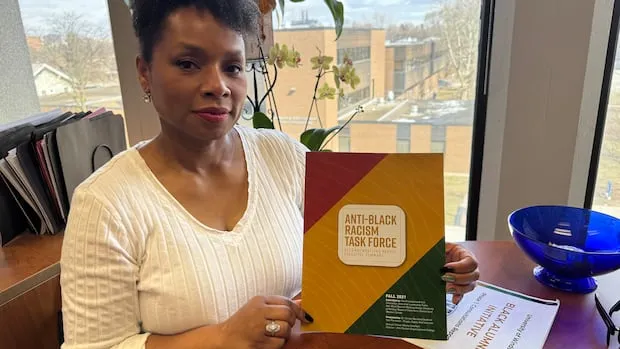
The University of Windsor has implemented nearly 90 percent of recommendations from a special task force aimed at combating anti-Black racism on campus. Some advocates call for accelerated action on the remaining items amid ongoing financial pressures.
Task Force Origins and Key Progress
The task force launched in late 2020, prompted by the murder of George Floyd in Minneapolis, subsequent Black Lives Matter protests, and a prominent incident that led the university to apologize to a Black student. It delivered its recommendations in fall 2021.
“That really helped ignite efforts to address anti-Black racism at this level,” stated Marium Tolson-Murtty, director of the office of human rights, conflict resolution, and mediation. “I’m not saying we’re there completely just yet or things are perfect, but some strides have been made which I’m very proud of.”
Recent achievements include expanded scholarships for Black students, the launch of the Black Scholars Institute, increased hiring of Black faculty, and the creation of a Black student support coordinator role.
Tolson-Murtty notes a “resurgence” in Black student groups, driven by greater feelings of belonging. Her office also sees more reports of racism incidents, as students now feel empowered to speak out. “There’s not the need to feel that they have to remain silent,” she explained. “If there’s an injustice that they’ve experienced or witnessed, they’re going to speak to it rather than thinking the institution is not going to do anything about it.”
Funding Hurdles Delay Full Implementation
Unfinished recommendations stem from budget constraints, according to Tolson-Murtty. “That might be just stalling things a little bit,” she said. University President J.J. McMurtry recently warned provincial leaders that without funding reforms, the institution faces viability risks.
Tolson-Murtty declined to detail pending initiatives, emphasizing the university’s commitment to progress.
Calls for Black Studies and Equity Audits
Kaitlyn Ellsworth, the Black student support coordinator—who describes her role as an “institutional navigator for Black students”—praises the steps taken but highlights gaps. A major one is the absence of a Black studies program or dedicated courses. “We don’t have enough courses speaking about Black people, Black lives, Black knowing, Black methodologies, none of that at this point,” Ellsworth said. “That was something that was really heavily talked about in the task force.”
Students frequently request more content on Black identities, she added, though developing programs takes time.
Ellsworth estimates Black students comprise at least 10 percent of the roughly 18,000-student body—about 1,800 individuals—based on her research. The task force urged collecting race-based data to advance equity.
Other needs include a dedicated lounge for Black students and an equity audit of the Lancers athletics department. The report describes the department’s culture as “unhealthy, unwelcoming, anti-Black and harmful to Black student athletes,” urging reviews of hiring, recruitment, academic support, and discrimination complaints.
“Some of it just isn’t feasible until we have an influx of money,” Ellsworth noted, citing the university’s precarious finances.
