

Updated 2026 MLB Draft Rankings Reveal Major Shifts
The final preseason rankings for the 2026 MLB Draft class have expanded to include 200 players, with significant movement among college and high school prospects. Here’s an in-depth analysis of the most notable changes in the latest evaluation cycle.
New Faces in Top 100
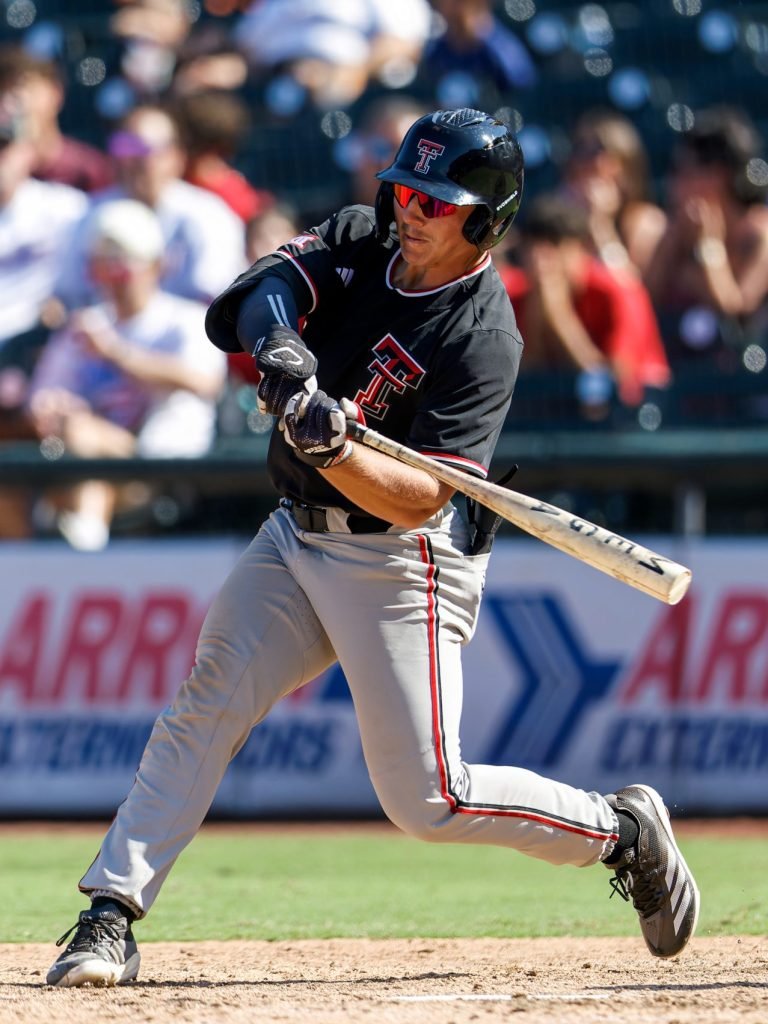
Two college hitters headline the new additions to the upper echelon of prospects. Texas Tech outfielder Logan Hughes and Kansas first baseman Brady Ballinger have impressed scouts with their well-rounded offensive profiles and exceptional batted-ball data. Both players now project as potential top two-round selections.
Vermont Academy right-handed pitcher Kaiden McCarthy enters the rankings after reclassifying from the 2027 draft class. The Vermont native could become the highest-drafted player from his state in MLB history, joining a deep group of prep arms that has evaluators divided on proper valuation.
College left-handers Ethan Kleinschmit (Oregon State) and Ethan Norby (East Carolina) debut in the rankings with safe, proven profiles that typically appeal to organizations in the second or third rounds. Other notable newcomers include Georgia prep outfielder Martin Shelar and Virginia second baseman Joe Tiroly, whose transfer from Rider brings impressive performance metrics.
Complete New Top 100 Additions:
- Logan Hughes, OF, Texas Tech (No. 53)
- Brady Ballinger, 1B, Kansas (No. 59)
- Kaiden McCarthy, RHP, Vermont Academy (No. 68)
- Ethan Kleinschmit, LHP, Oregon State (No. 69)
- Ethan Norby, LHP, East Carolina (No. 90)
- Martin Shelar, OF, Marist HS (No. 92)
- Joe Tiroly, 2B, Virginia (No. 93)
- Shane Sdao, LHP, Texas A&M (No. 94)
- Anthony Murphy, OF, Corona HS (No. 98)
- Nathaneal Davis, OF, Bishop Moore Catholic HS (No. 99)
Notable Prospect Surges
Texas outfielder Aiden Robbins has emerged as a potential top-50 selection after climbing 52 spots in the rankings. Scouts cite his athleticism, defensive prowess, and natural hitting ability as key factors in his ascent.
Arkansas catcher Ryder Helfrick has gained significant traction throughout the evaluation period, now ranking just behind Georgia Tech backstop Vahn Lackey as the draft’s premier catching prospects. Both backstops project as potential first-round selections.
Mississippi prep outfielder Eric Booth Jr. continues generating buzz with his elite athleticism and power-speed combination. The young center fielder’s strong 2025 performance and extreme youth (he’ll be among the draft’s youngest players) could make him difficult to pass up in the middle of the first round.
Biggest Ranking Climbers:
- Aiden Robbins, OF, Texas (+52 to No. 35)
- Ryder Helfrick, C, Arkansas (+44 to No. 26)
- Eric Booth Jr., OF, Oak Grove HS (+31 to No. 15)
- Ben Blair, RHP, Liberty (+28 to No. 70)
- Rocco Maniscalco, SS, Oxford HS (+26 to No. 52)
Prospects Facing Challenges
Missouri State outfielder Caden Bogenpohl has experienced the most significant drop, falling out of first-round consideration entirely. Concerns about his hitting mechanics and competition level have pushed his projection into the third or fourth round range.
South Carolina left-hander Jake McCoy’s draft stock has been impacted by a recent UCL tear that will sideline him for the entire 2026 season. Despite the injury, scouts believe his pre-injury performance could still warrant mid-round consideration.
Miami third baseman Daniel Cuvet has slipped in the rankings due to defensive questions and hitting concerns, while Florida State left-hander Wes Mendes and Arkansas second baseman Cam Kozeal have both seen diminished standing among evaluators.
Most Significant Declines:
- Caden Bogenpohl, OF, Missouri State (-66 to No. 104)
- Jake McCoy, LHP, South Carolina (-37 to No. 95)
- Daniel Cuvet, 3B, Miami (-32 to No. 76)
- Wes Mendes, LHP, Florida State (-32 to No. 112)
- Cam Kozeal, 2B, Arkansas (-31 to No. 120)
The draft landscape continues evolving as evaluators finalize their assessments ahead of the 2026 season. Performance this spring will ultimately determine which prospects solidify their standing and which face further adjustments in their draft projections.
