

Some anime finales deliver profound unease by denying viewers easy resolutions. These conclusions embrace devastation over comfort, leaving audiences to grapple with unresolved questions about loss, identity, and human fragility. They highlight the steep price of survival and growth, often mirroring real-world complexities. The lingering dread from these endings makes them unforgettable, drawing parallels between fiction and reality.
7. Neon Genesis Evangelion (1995)
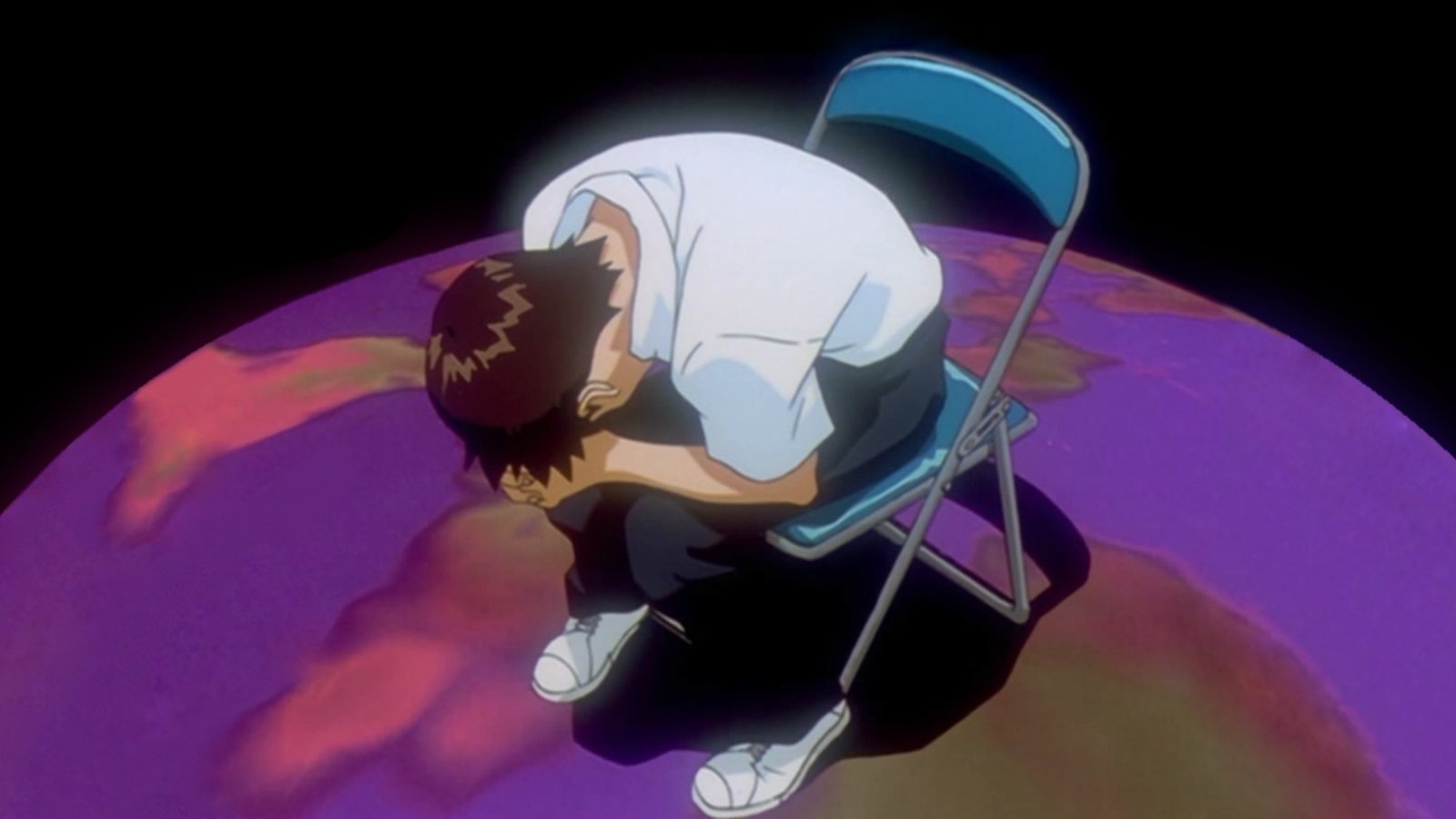
The original television finale of Neon Genesis Evangelion confounds and captivates with its introspective monologues and disjointed imagery, immersing viewers in the characters’ shattered minds. What unfolds as a mecha adventure culminates in psychological unraveling, where triumph fades into existential doubt about self and existence.
Later, the film The End of Evangelion provides a stark, tangible close that amplifies the despair. Humanity’s bid for transcendence erupts into widespread destruction, isolating survivors in raw solitude. The iconic scene of Shinji and Asuka on a desolate shore, reduced to emotional husks, stands as a pinnacle of anime’s bleakest visions.
6. Grave of the Fireflies (1988)
This Studio Ghibli war drama delivers unrelenting emotional weight through the siblings Seita and Setsuko’s struggle against famine and bombardment in wartime Japan. Drawing from historical trauma, each moment rings with authenticity, underscoring war’s toll on the innocent.
The conclusion offers no solace or uplift. Setsuko’s heartbreaking passing followed swiftly by Seita’s own leaves a void of emptiness. Their ethereal return as spirits overlooking the city skyline etches a poignant reminder of hope’s erosion, growing more piercing with time.
5. Devilman Crybaby (2018)
A vibrant reworking of the classic manga, Devilman Crybaby descends from psychedelic action into total cataclysm. The bond between Akira and Ryo fractures amid clashing emotions and beliefs, corrupting both divine and mortal realms in intimate, visceral ways.
In its final act, human extinction unfolds, with Akira’s remains beside a remorseful Satan who grasps love’s essence only at the end. This overwhelming futility cements it as one of contemporary anime’s most crushing conclusions, compelling viewers to confront inescapable sorrow.
4. Perfect Blue (1997)
Satoshi Kon’s thriller dismantles the allure of stardom, plunging into paranoia and self-doubt as Mima’s reality splinters under fame’s pressure. The narrative traps audiences in her disorienting perspective, blurring lines between truth and illusion in a suffocating critique of celebrity.
Mima’s closing expression signals endurance rather than conquest. The cycle of exploitation persists, infusing the end with persistent anxiety that echoes long beyond the screen.
3. Made in Abyss: Dawn of the Deep Soul (2020)
Concealed beneath its charming visuals, Made in Abyss unleashes harrowing tales of exploration’s perils. The movie’s climax intensifies this, compelling young protagonists to face survival’s grotesque demands in the depths.
Nanachi’s sorrow merges with Prushka’s horrific transformation, twisting affection into a blend of terror and allure. This fusion of brutality and emotion defines the series’ core, framing adventure as a journey through humanity’s darker facets.
2. Berserk (1997)
The Golden Age arc in the Berserk adaptation shatters illusions of glory, ending in utter ruin for Guts and his band of warriors. A night of supernatural treachery, known as the Eclipse, unleashes one of animation’s most terrifying spectacles.
Griffith’s rise to power inflicts profound suffering on Guts, embodying the manga’s unflinching intensity. Devoid of mercy or balance, the abrupt halt after the slaughter mirrors Guts’ unyielding fury, delivering a raw, indelible close.
1. Akira (1988)
Katsuhiro Otomo’s masterpiece erupts in psychic fury, engulfing Neo-Tokyo and its inhabitants. Tetsuo’s unchecked evolution into an omnipotent force symbolizes humanity’s dangerous pursuit of dominance without wisdom.
The destruction serves as both visual marvel and cautionary vision, foretelling self-inflicted downfall. Kaneda’s frantic dash amid the turmoil and Tetsuo’s departure into the void compose a grand, somber farewell. Even years on, this finale evokes awe and fear, pondering if progress might herald our undoing.
