

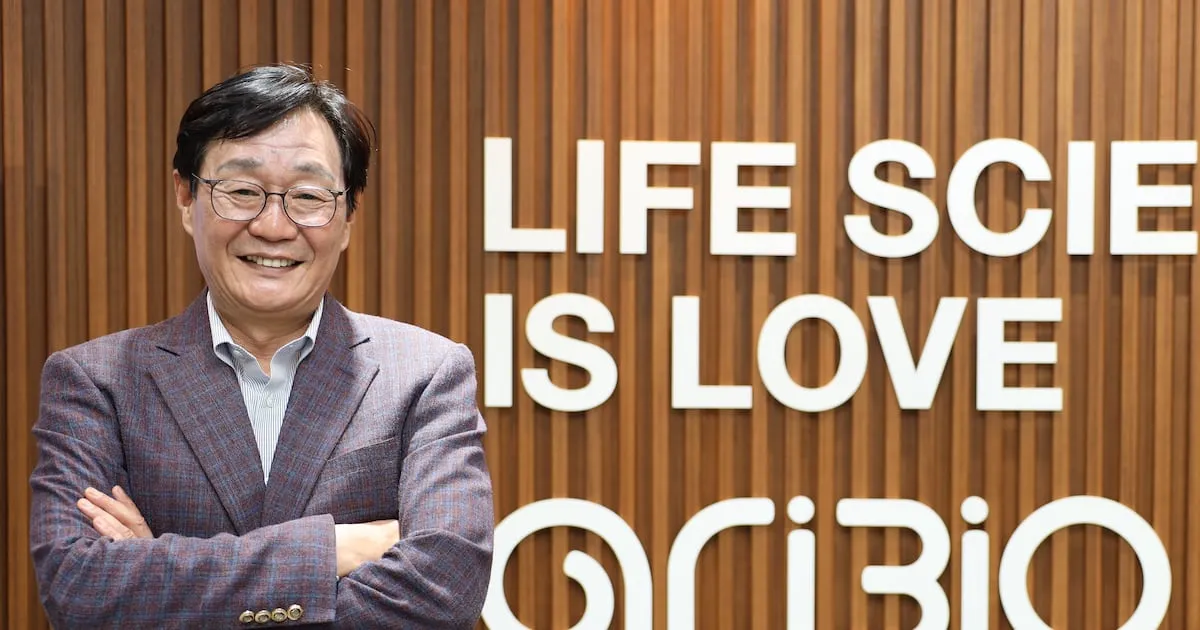
AriBio announces major progress in its global Phase 3 trial for AR1001, an oral medication targeting early-stage Alzheimer’s disease. The study reaches approximately 90% completion, with 95% of participants entering the one-year extension phase.
Key Trial Milestones
The POLARIS-AD trial enrolls 1,535 patients across 230 institutions in 13 countries. After the 52-week primary period, over 90% of participants complete the study. Notably, 95% choose to continue AR1001 treatment in the voluntary extension study, marking the highest retention rate in large-scale global Alzheimer’s trials.
A company official highlights, “Patients and families directly experience AR1001’s efficacy, safety, and convenience as an oral therapy in real-world clinical settings, building strong confidence.” The official adds, “Even with an anticipated 25% dropout rate, actual retention exceeds expectations by 15%, demonstrating positive safety and tolerability.”
Expert Insights and Rapid Effects
Fred Kim, president of AriBio’s U.S. subsidiary, states, “Participants and caregivers directly benefit from AR1001’s effects and safety, leading them to continue the medication.” He emphasizes, “The trial delivers expected cognitive improvements—measured via tap line tests—within three minutes on average after a two-minute oral dose. Long-term consistency positions these results as a key foundation for future publications.”
AR1001, a repurposed drug leveraging an established mechanism, positions for potential first-in-class approval following Phase 1 successes.
Upcoming Presentations
AriBio schedules full Phase 3 results at the AD/PD 2026 conference in Copenhagen, Denmark, starting March 17. Sharon Sha, Stanford professor and dementia center director, presents the trial’s performance alongside comprehensive Phase 1 development updates.
