

Astronauts face significant challenges in maintaining muscle strength during long space missions. Those on six-month International Space Station (ISS) stints exercise two hours daily to combat atrophy. New research identifies the minimum gravity level needed to prevent muscle loss, offering key insights for future lunar and Martian outposts.
Key Findings from ISS Mouse Experiment
Researchers exposed 24 mice to artificial gravity levels aboard the ISS using Japan’s MARS centrifuge system. The rodents experienced 0.33g, 0.67g, and 1g conditions for up to 28 days, starting in March 2023. Upon return in April 2023, analysis showed muscle grip strength, atrophy signs, and fiber composition changes.
Results indicate 0.67g as a critical threshold. Below this level, muscles deteriorated. At 0.33g, fibers altered but full atrophy halted. At 0.67g, no deterioration, strength loss, or changes occurred.
Expert Analysis on Gravity’s Role
Mouse models provide a controlled method to study microgravity’s long-term effects, which prove challenging in humans. Lori Ploutz-Snyder, dean of the University of Michigan’s school of kinesiology and former lead scientist for NASA’s Exercise Physiology and Countermeasures Project, calls this “an exciting study” for advancing such research.
Her prior work using parabolic flights identified a similar 0.5g to 0.75g threshold in humans. Mark Shelhamer, professor of otolaryngology-head and neck surgery at Johns Hopkins University and former chief scientist of NASA’s Human Research Program, notes, “Before this study, we knew nothing about how much gravity exposure is necessary to halt or slow down the deconditioning that goes on when you send people into space.”
Implications for Moon and Mars Missions
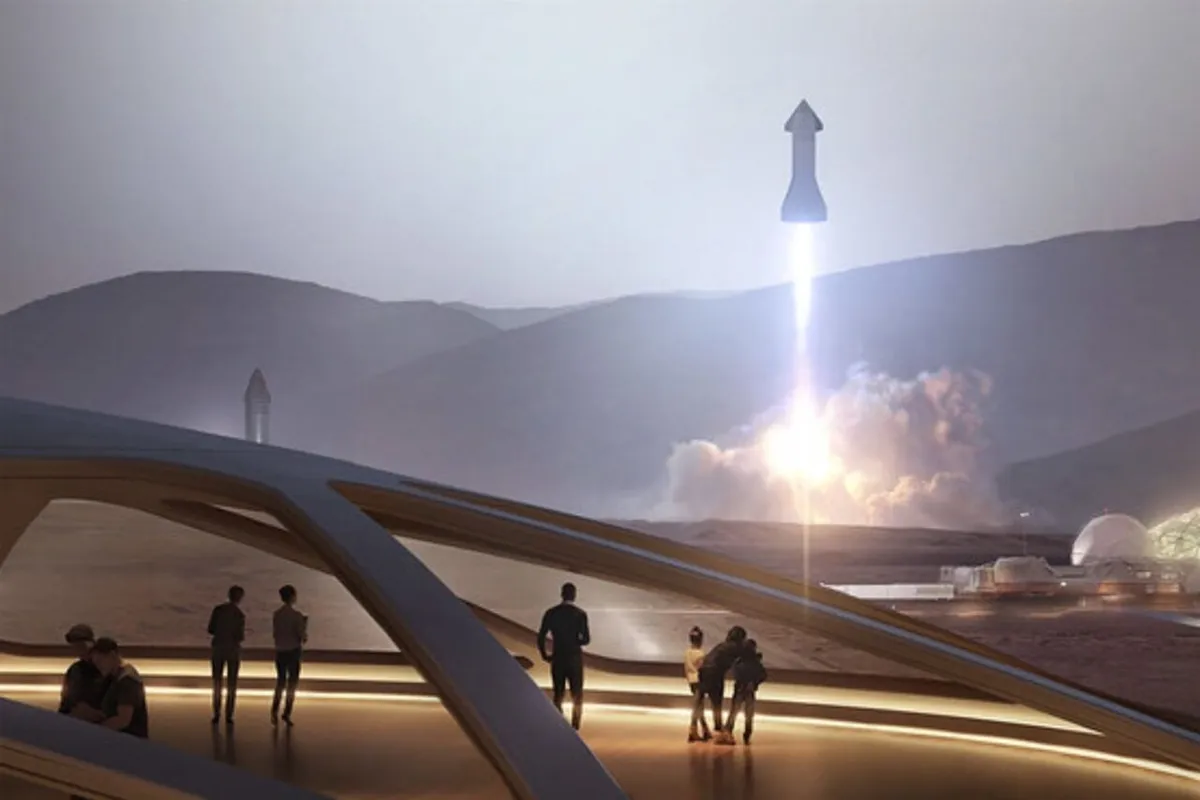
The Moon’s 0.17g and Mars’ 0.38g fall below the 0.67g threshold, signaling potential muscle issues for astronauts on extended stays. This raises questions for NASA’s Artemis lunar base and Red Planet plans.
Shelhamer explains, “We have no idea if being on the Moon in one-sixth Earth gravity or being on Mars in three-eighths Earth gravity is enough to stop the deconditioning of bones, muscles—all the other things.” Without sufficient natural gravity, missions may require exercise equipment.
Ploutz-Snyder highlights benefits: defining this threshold could optimize artificial gravity for deep-space flights and reduce exercise needs. Future studies should validate the 0.67g level in humans, explore bone effects, exercise influences, and mission applications to enable sustainable presence beyond Earth.
