

A telling moment unfolded during Chelsea’s recent home draw against Burnley, highlighting the club’s ongoing struggles. Captain Reece James approached the technical area for a discussion during a second-half break, but the manager remained focused on jotting notes and missed the interaction. Chelsea finished the game with six defenders on the pitch, including four center-backs, allowing Burnley to score a late equalizer.
Chelsea’s Search for a Transformative Manager
The ownership group prioritizes a collaborative approach, seeking a manager who aligns closely with their vision. However, recent results suggest the need for a leader with strong authority, ego, and intolerance for interference—qualities reminiscent of Jose Mourinho during Chelsea’s Premier League triumphs in 2005, 2006, and 2015.
Current manager Liam Rosenior emphasizes detailed analysis, including a 450-page PowerPoint on his strategies. Yet, Chelsea’s position demands more decisive leadership to navigate the Premier League’s intensity.
Why Xabi Alonso May Not Suit Chelsea
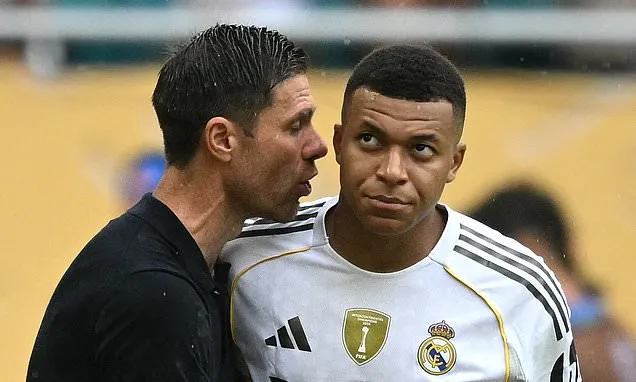
Xabi Alonso’s Bundesliga title with Bayer Leverkusen demonstrates his potential for top European clubs, particularly stable ones like Liverpool. However, challenges managing egos at Real Madrid raise concerns about his fit for Chelsea’s high-pressure environment. Observers hope he avoids the role, viewed as risky following his recent experiences.
Other Candidates Fall Short
Potential options include Andoni Iraola, whose resume features limited European experience and one Cypriot Super Cup; Marco Silva, who departed Everton amid difficulties; and Oliver Glasner, recently parted from Crystal Palace. None match the profile required for Chelsea’s revival.
Cesc Fabregas Emerges as the Standout Candidate
Cesc Fabregas stands out with deep ties to Chelsea, where he secured two Premier League titles and formed part of a highly intelligent midfield. Arsene Wenger named him Arsenal captain at age 21, while Mourinho called him ‘a coach on the pitch’ during the 2014-15 season.
At Como in Serie A, Fabregas has engineered rapid success, enforcing strict standards. He insists on signing ‘hungry, humble players,’ refuses tactical compromises, and publicly challenges stars like Alvaro Morata after key errors, such as his red card against Fiorentina. As a shareholder, he fosters harmony with ownership while shaping culture and squad dynamics.
Fabregas’s football intelligence excels in recognizing space and opportunity, aligning with demands for a dominant, entertaining style. Chelsea’s young, talented squad—including Cole Palmer, Enzo Fernandez, Moises Caicedo, and Malo Gusto—would benefit from his organization, decision-making improvements, and chemistry-building.
Appointing Fabregas carries risks, similar to Mikel Arteta at Arsenal or Alonso at Leverkusen. For fans craving stability amid ownership experiments, his pedigree commands instant respect and adoration, despite his Arsenal past.
This opportunity represents a pivotal moment for Chelsea, where bold leadership could turn the tide toward sustained success.
