

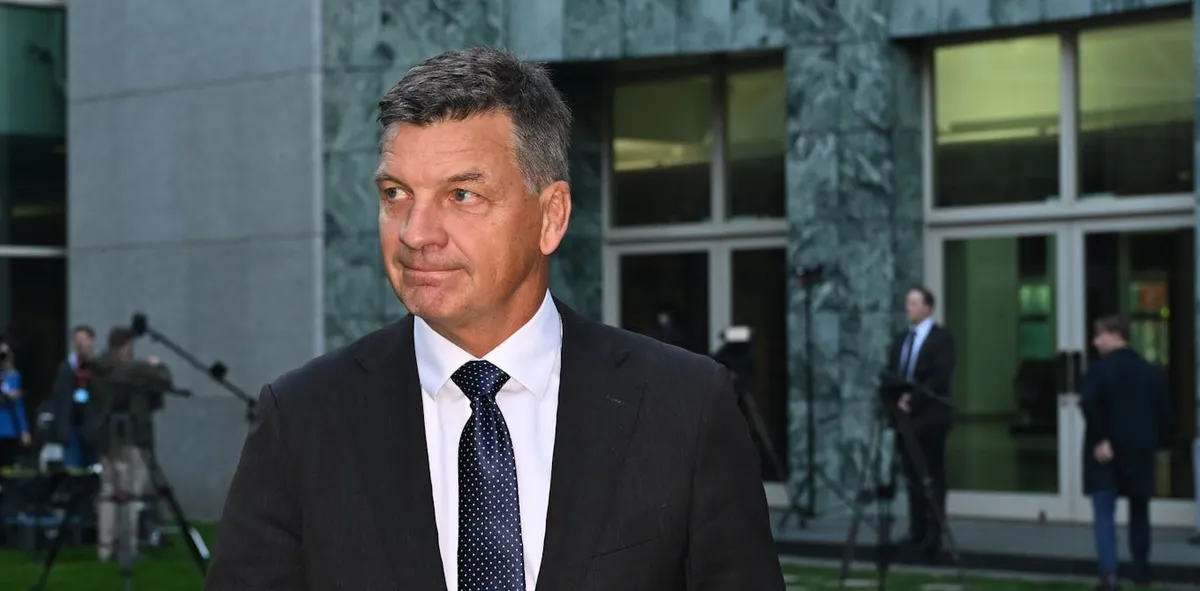
A Coalition government plans to limit Net Overseas Migration (NOM) to the number of new homes completed each year, as outlined in Liberal leader Angus Taylor’s budget reply scheduled for Thursday.
Migration Policy Ties Intake to Housing Supply
The opposition’s latest migration strategy builds on earlier proposals to align migrant intake with Australian values, such as enshrining the Australian Values Statement in law. Facing calls for specific targets, this approach indirectly sets limits by linking NOM to housing completions.
The housing minister would annually report new home completions to parliament, establishing the cap for the following year’s NOM. Taylor criticizes the current Labor government, stating migration has outpaced housing, driving up rents, house prices, and challenging young Australians seeking homeownership.
“This is about mass migration running ahead of the homes, roads, hospitals, schools and services Australia can provide,” Taylor declares.
Since the Albanese government took office, Australia’s population has increased by 1.8 million, including 1.4 million migrants. However, new homes accommodate only 1.4 million people, leaving a shortfall of around 400,000 dwellings.
Additional Housing and Migration Measures
Taylor’s announcements include several initiatives:
- A $5 billion Housing Infrastructure Fund to finance utilities, access roads, and related projects, potentially unlocking 400,000 homes.
- Reforms to the National Construction Code to reduce new home building costs by up to $70,000 per house.
- Elimination of Labor’s housing programs, such as the Housing Australia Future Fund, Help to Buy, Build to Rent tax incentives, and New Homes Bonus, generating billions in savings.
The opposition also commits to stricter temporary migration rules, including for international students, and prioritizes quality in skilled migration intake.
Streamlining Building Regulations
The National Construction Code, which spanned 209 pages in the 1980s, now exceeds 2,350 pages. The Coalition prioritizes reversing 2022 updates, including 7-star energy efficiency and minimum accessibility requirements.
These changes alone could save $70,000 per new home and boost supply by 120,000 homes over the next decade, according to estimates.
“Australians who want to build to higher environmental or accessibility standards should be free to do so. But governments should not be forcing every young family to pay tens of thousands of dollars more before they can get a foot in the door,” the opposition states.
