

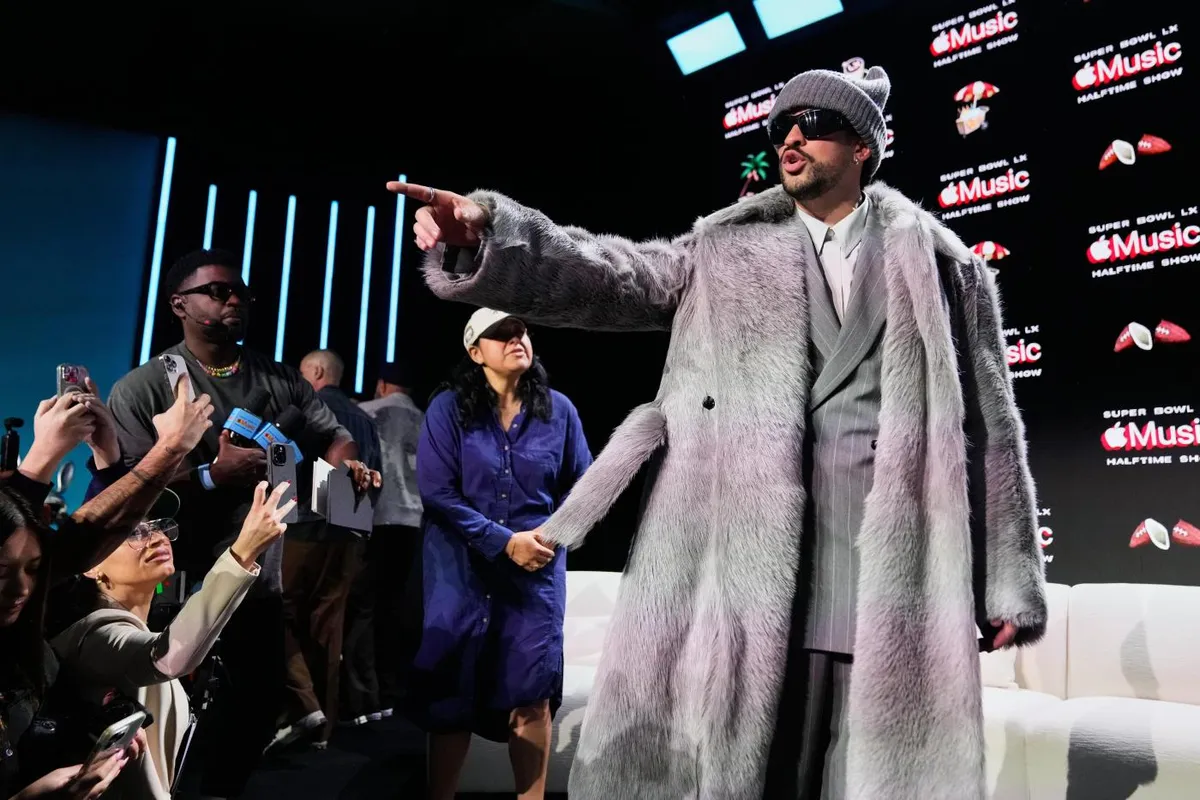
Bad Bunny’s recent Super Bowl halftime performance transcends music and entertainment. For Puerto Ricans and the Latin diaspora, it represents recognition and visibility on a global stage. Mainstream U.S. audiences gain insight into Puerto Rican culture as a core expression of history, politics, and identity.
Puerto Rico’s Complex History with the U.S.
Puerto Rico’s ties to the United States span over 500 years of colonial influence, first from Spain and later from U.S. control. This legacy yields economic challenges, limited political representation despite citizenship, and ongoing discussions on sovereignty and self-determination.
Scholars, activists, and artists highlight these issues. Bad Bunny elevates them into global pop culture through his Spanish-language music, symbolism, fashion, and performances. He rejects assimilation demands for Latin artists seeking U.S. success, reshaping narratives around visibility and value.
His approach aligns with Puerto Rico’s tradition of blending joy and protest in music, turning celebration into resistance.
Rich Puerto Rican Musical Traditions
Genres like bomba, plena, salsa, reggaeton, and modern fusions convey grief, humor, rage, tenderness, and hope. These forms arise from survival amid colonial rule, racial hierarchies, and economic hardship.
Roots trace to the Taíno people of Borikén, whose communal values, land ties, and expressive culture persist despite disruption. Blended with Indigenous, African, European, and diasporic elements, this heritage defines Puerto Rican identity today.
Bad Bunny channels this legacy, honoring resistance through music, dance, language, humor, and community support. As Yarimar Bonilla notes, he “transforms grief and pride into a sonic archive of resistance.”
Recent Grammy Success
Bad Bunny secured the album of the year award for “Debí Tirar Más Fotos” at the 68th annual Grammy Awards on February 1, 2026, in Los Angeles. This win bolsters Latin artists amid challenges facing U.S. Latinos.
Growing Academic Interest
Universities now offer courses analyzing Bad Bunny’s work. At Wellesley College, the seminar “Bad Bunny: Race, Gender, and Empire in Reggaeton” explores his role in the 2019 Puerto Rican protests and insights into U.S. empire, race, gender, and queerness.
Similar programs exist at Yale University and Boston-area schools, using pop culture to examine colonialism, resistance, and identity.
Vanessa Díaz and Petra R. Rivera-Rideau’s book “PFKNR: How Bad Bunny Became the Global Voice of Puerto Rican Resistance” addresses how Puerto Rican artists balance authenticity, marketability, and racial expectations in U.S. media. Bad Bunny breaks patterns by merging cultural pride with political realities, proving audiences embrace complexity.
Implications for Higher Education
For institutions like Southern Connecticut State University pursuing Hispanic-Serving Institution status, such moments emphasize centering Latin communities. Beyond demographics, this involves engaging histories, knowledge, and experiences meaningfully.
Puerto Rican and marginalized groups find affirmation that cultural pride and political awareness strengthen rather than hinder. Mainstream audiences can listen more deeply, while education recognizes vital public dialogues on race, empire, gender, and belonging.
