

U.S. Transportation Secretary Sean P. Duffy announced a $100.3 million investment from the Federal Transit Administration into public transit systems in host cities for the 2026 FIFA World Cup. The funds target operating expenses, including additional trains, extended hours, cleaner stations, and enhanced security.
Chicago Misses Key World Cup Benefits
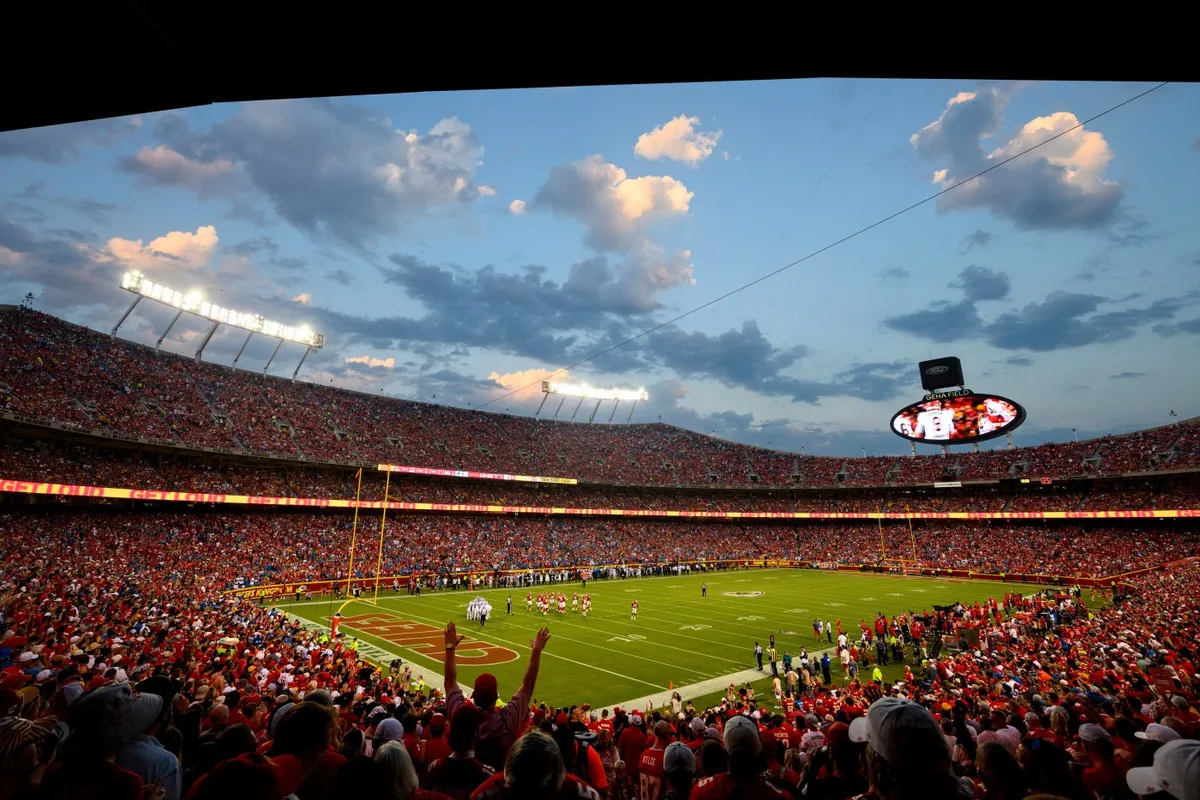
Chicago declined to bid for World Cup matches, forgoing a share of these resources. Kansas City, positioning itself as a soccer hub and holder of the Guinness World Record for loudest stadium crowd roar, secured six games and substantial economic gains. These likely include upgrades to its streetcar system, which serves far fewer riders than the Chicago Transit Authority (CTA).
CTA passengers stand to gain more from such operational funding than from the ongoing $400 million-plus State and Lake station project, which has disrupted the vital State Street corridor for years. The decision not to pursue World Cup hosting now reveals mounting costs for Chicago.
New Chicago Fire Stadium Takes Shape
Amid these developments, the Chicago Fire marked a milestone with the March 3, 2026, groundbreaking for its new 22,000-seat, open-air stadium. Owner and chairman Joe Mansueto is privately funding the $750 million project at the north end of The 78 site near Roosevelt Road in the South Loop.
This marks the first major new stadium built within city limits in decades. Experts anticipate it will significantly expand the Fire’s fanbase, particularly with global soccer excitement building toward the 2026 World Cup.
At the ceremony, Mansueto spoke with Ald. Pat Dowell while Mayor Brandon Johnson stood nearby.
Revitalizing The 78 Riverfront Site
The stadium anchors redevelopment of The 78, a long-dormant riverfront tract poised to connect neighborhoods and spur growth south of the Loop. Mayor Johnson stated, “For too long this stretch along the river has been empty, yet it has been filled with so much potential.”
The project occupies only part of the site, paving the way for future announcements on additional developments and community benefits.
