

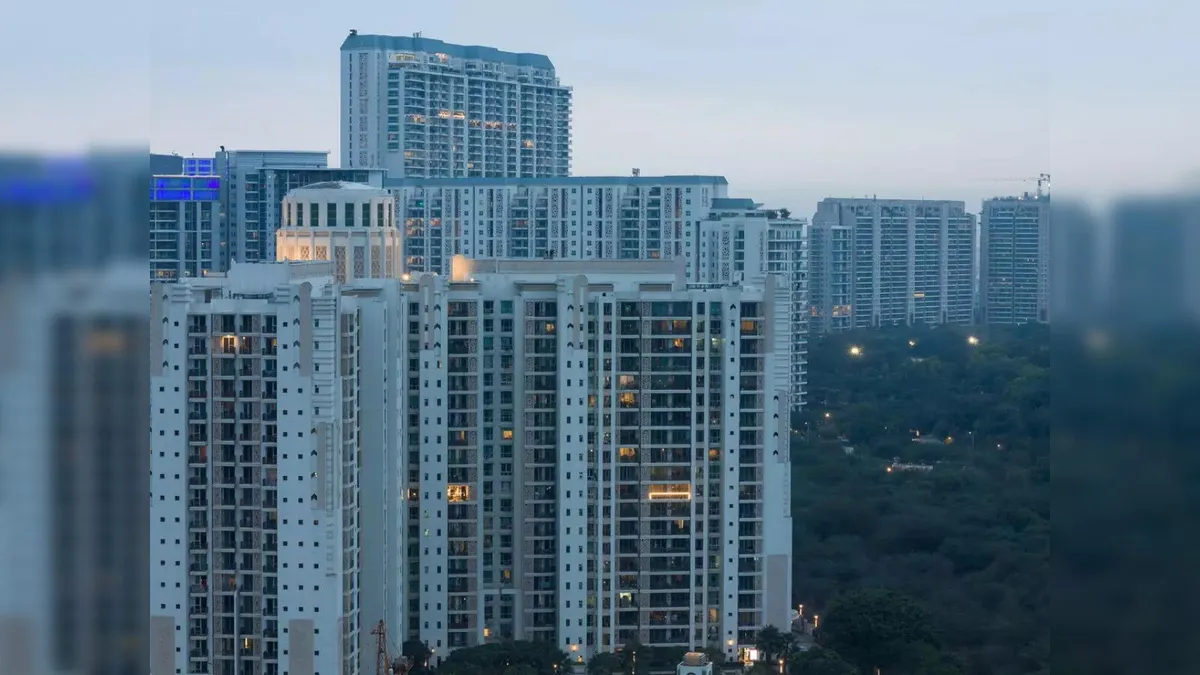
India’s real estate market enters 2026 amid heightened uncertainty due to the Strait of Hormuz blockade that began in early March. This key shipping route between the Persian Gulf and the Gulf of Oman has disrupted global trade, severely affecting India’s construction sector reliant on imports.
Supply Chains Under Strain, Costs Escalate
Ships now detour around the Cape of Good Hope, adding 10-20 days to transit times and boosting container shipping costs by ₹1.5-3.5 lakh. Bulk imports travel an extra 6,000-10,000 nautical miles, with marine fuel at ₹1 lakh per tonne. War-risk surcharges and higher insurance rates compound the issue for developers. Indian authorities monitor shipping firms to curb potential profiteering.
Material Prices Skyrocket
Steel costs have risen nearly 20% to ₹72,000 per tonne, adding about ₹50 per square foot to high-rise projects in Mumbai. Aluminium reaches ₹3.5 lakh per tonne amid disruptions in Gulf production centers like Bahrain and Qatar. Bitumen for infrastructure trades at ₹48,000-51,000 per tonne.
Energy expenses climb as Brent crude exceeds $100 per barrel, driving up diesel for cranes and mixers. Luxury projects suffer most: imported Italian marbles like Statuario and Calacatta incur extra ₹50-150 per square foot from rerouting, pushing installation to nearly ₹6,000 per square foot.
Mumbai’s Luxury Market Feels the Pinch
The Mumbai Metropolitan Region (MMR), with over 5,500 high-rises and 300 towers exceeding 300 meters, leads India’s ₹40 crore-plus homes. In 2024, the country saw 59 ultra-luxury sales totaling ₹4,754 crore, with Mumbai capturing 88% of volume and value. Worli accounts for 40% of these deals.
Prime areas like South Mumbai, BKC, Worli, and Lower Parel depend heavily on imports, amplifying cost pressures.
Demand Resilience in Premium Segment
Luxury buyers, unlike mid-income groups facing EMIs and 7.35%-13.20% interest rates, can absorb hikes. Developers plan to pass on at least 5% increases without major demand drop.
Gulf NRIs, who drive 15-22% of luxury sales in Mumbai and Delhi (up to 30% for some projects), face delays from travel and logistics issues.
2026 Outlook and Sector Lessons
Even with quick resolution, backlogs clear in 2-8 weeks, but freight and insurance costs linger. Full supply chain recovery spans 1-3 months, risking monsoon delays.
Dr. Prashant Thakur of ANAROCK Group warns that 2026 challenges are “cast in steel and concrete.” The crisis highlights supply chain risks, urging domestic sourcing and diversification to build resilience.
